
Managing Nematodes in Potatoes
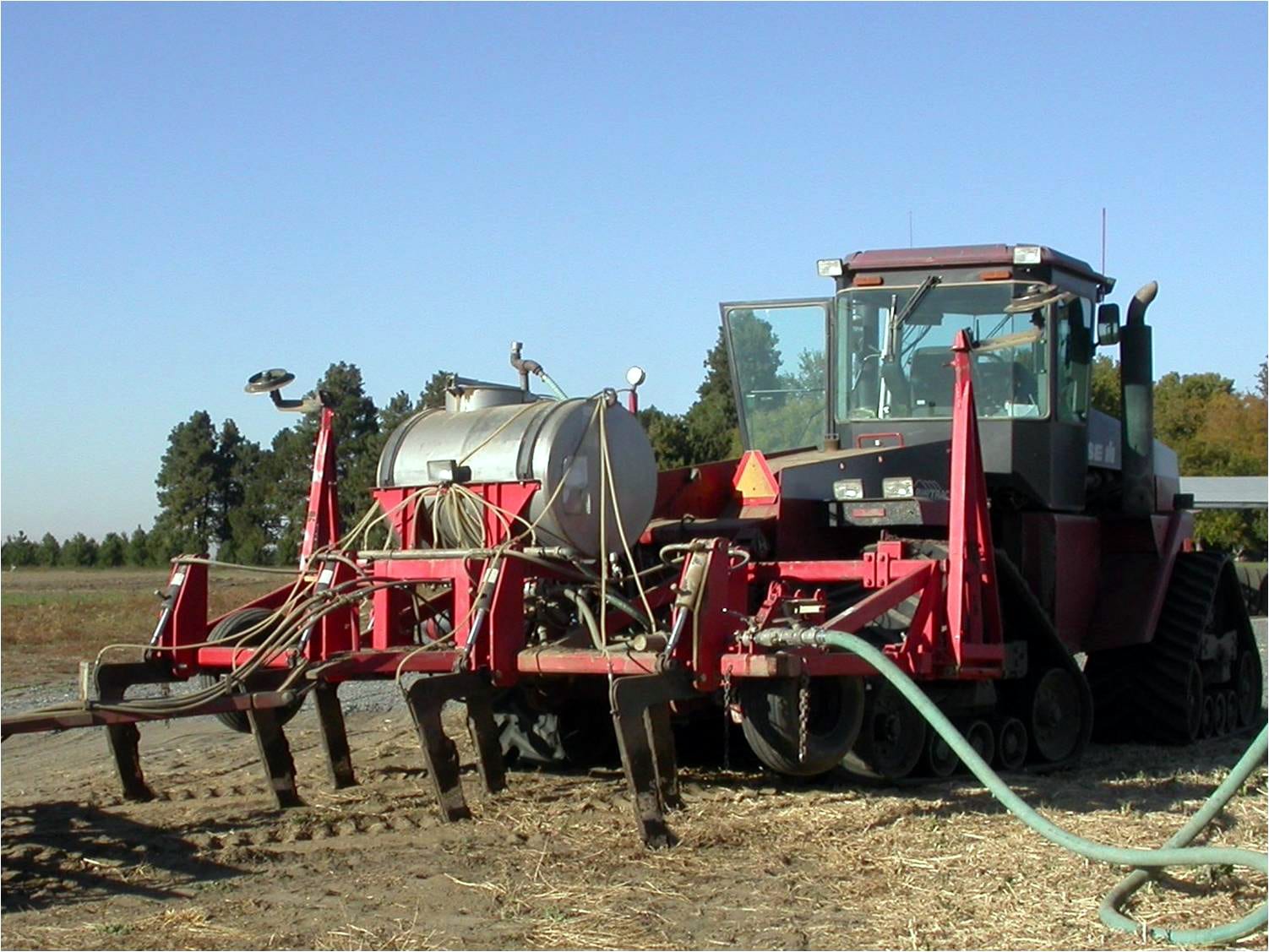
There are a variety of nematodes that damage Florida potatoes. These plant-parasitic nematodes are small, microscopic roundworms that feed on plant tissue, causing severe damage to growers’ crops.
ONGOING FIELD TRIALS
Nematicide application is one of the main management strategies available to growers in potato production. Zane Grabau, assistant professor of nematology at UF, is one of the researchers experimenting with new nematicide products at the UF/IFAS Hastings Research Station.
Weekdays. Unsubscribe in one click.
“Most of our nematode research continues to center on testing new nematicide products. Growers rely heavily on a few nematicides, so new chemistries are always useful,” Grabau says.

There are two field trials taking place at the research station, one of which is testing Nimitz, a newer, liquid nematicide that contains the active ingredient fluensulfone. According to Grabau, they have done a lot of work with Nimitz over the past few years.
“Nimitz is a little bit different as it is a non-fumigant, so it’s put out as a liquid, making it a little bit easier for growers to work with,” Grabau says.
Over the past three years of working with Nimitz, Grabau’s results showed that the nematicide performed at or near the level of the one most common fumigants, Telone II, for managing sting nematode. It’s one of the most problematic and common nematodes in the area.
In addition, they’re also experimenting with Majestene, a bionematicide to control nematode populations. Majestene is a certified organic product, formulated of dead bacteria that produce chemicals toxic to nematodes. In terms of application, Majestene is very similar to a chemical nematicide as it is biologically based.
“Since it’s our first year testing it, we don’t really have any data yet, but we’re hoping to be able to see how it performs. For this year, the way we’re looking at it is as a potential supplement to a fumigation application,” Grabau says.
ADDITIONAL MANAGEMENT RECOMMENDATIONS
Although nematicide applications are the most effective way to manage nematodes, there are additional management strategies. Crop rotation of less susceptible crops, cultural and tillage practices, and use of nematode-free seed potatoes are additional strategies for growers to consider on top of nematicide applications.

“One of the big things we encourage growers to do is to try and practice crop rotation when they can,” Grabau says. “This could either be with cash crops or cover crops. It’s just important that they are considered a poor host for nematodes or not a host at all.”

Global Potato Brief
Top five stories, prices, disease alerts and events. Weekday mornings, no advertising.
Linked in this material
- Sections
- Agronomy
Related stories

Variety Choice Is a Nitrogen Strategy: Why Some Potato Cultivars Need Far Less Fertilizer
Yellow, White or Cream: How Flesh Color Decides a Potato’s Market


