Kyrgyzstan: Potato Harvest Reaches 965,000 Tonnes, Up 317,000 on Last Year, as Six-Month Import Ban Proposal Stays on the Table
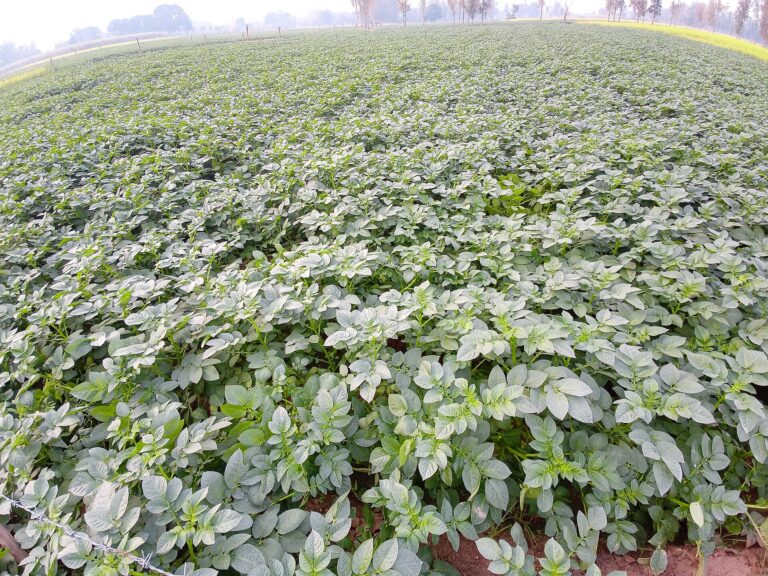
Kyrgyzstan’s farmers have dug 965,000 tonnes of potatoes so far in 2026, 317,000 tonnes more than at the same point last year, as the government weighs a six-month import ban to protect local growers.
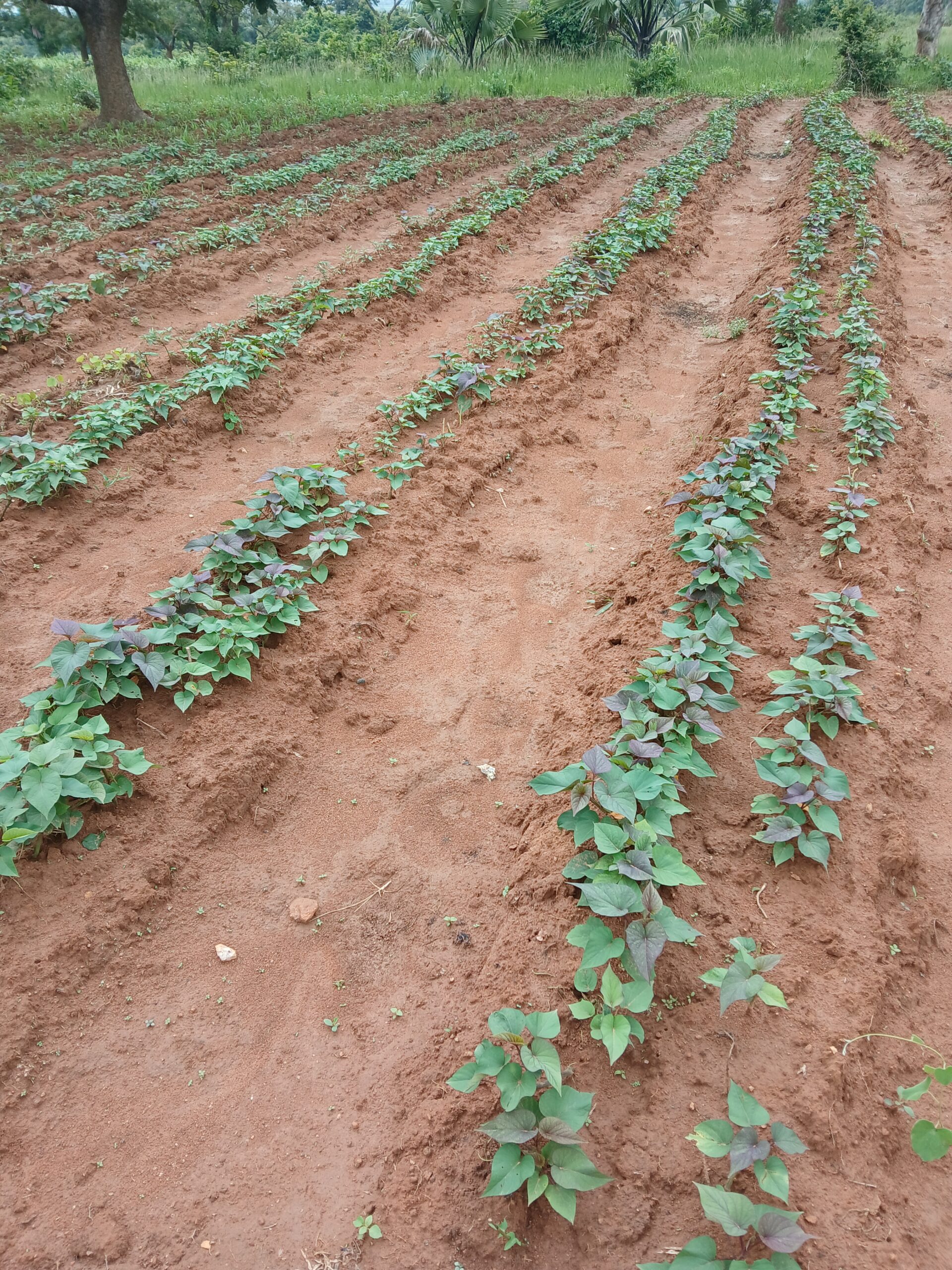
Kyrgyzstan’s farmers have dug 965,000 tonnes of potatoes so far in 2026 — 317,000 tonnes more than at the same point last year — the Ministry of Water Resources, Agriculture and Processing Industry reported on 14 October. The bulk of the crop traditionally comes from Issyk-Kul region, and the autumn digging campaign is now nearing completion.
The harvest keeps building towards a full-year result of about 1.25 million tonnes, roughly 450,000 tonnes above the country’s domestic needs, according to official estimates cited when the government floated a protective measure at the end of September: a draft Cabinet decree that would ban potato imports for six months while local farmers sell their crop. The document is under public discussion, and transit and previously imported produce would be exempt.
The import side the measure targets is modest in volume but concentrated in origin. In January–July 2026 Kyrgyzstan brought in 24,700 tonnes of potatoes, of which 21,400 tonnes came from China; smaller shipments arrived from Germany, Kazakhstan, Pakistan, Iran, Russia and Uzbekistan, according to the justification attached to the draft.
Weekdays. Unsubscribe in one click.
The economics behind the proposal are tight. At an average yield of 123 centners per hectare, growing one kilogram of potatoes costs about 13 som; selling at 16 som leaves a margin of around 3 som, from which farmers must still pay for storage, transport and loan repayments. Field prices this autumn have already traded at 18–20 som per kilogram nationally and 12–15 som on Issyk-Kul — at or below production cost — while buyers in At-Bashy district, Naryn region, have been paying 20–22 som per kilogram for produce destined for export to Uzbekistan.
A bigger crop does not automatically mean bigger income. With wholesale prices in Bishkek recently quoted at 20–25 som per kilogram and farm-gate values lagging well behind, the difference between selling at harvest and holding into winter will decide farm margins. Storage capacity — and access to the Uzbek export corridor — remain the two levers Kyrgyz growers can pull against a surplus of roughly half a million tonnes.
What happens next hinges on two decisions: whether the Cabinet signs the import moratorium, and how much of the record crop finds storage rather than the spot market. Uzbekistan’s purchases at 20–22 som have already shown that export demand can clear local surpluses at above-average prices.
Sources: Kaktus.media (Ministry of Water Resources, Agriculture and Processing Industry press service), 14 October 2026 · EastFruit (via Sputnik Kyrgyzstan), 30 September 2026 · MIR 24, 1 October 2026.