Kyrgyzstan: Issyk-Kul Region Grows 35% of the Country’s 1.29 Million Tonne Potato Crop
Issyk-Kul region produced 35.4% of Kyrgyzstan's potatoes in 2023. National output rose from 362,000 tonnes in 1992 to more than 1.4 million tonnes in 2015 and has eased since.
Potato growing in Kyrgyzstan is concentrated in one mountain region. According to the National Statistical Committee, Issyk-Kul region produced 35.4% of the country’s potatoes in 2023. It was followed by Osh (16.2%), Talas (14.7%) and Chuy (13.3%). Together these four regions produced almost 80% of the crop.
The national harvest in 2023 was 1,286,800 tonnes from 72,483 ha, with an average yield of 175.9 centners per hectare, or 17.6 t/ha, according to the committee’s report on harvested areas and yields. Issyk-Kul’s share means a regional crop of about 455,000 tonnes.
Growth after independence
FAOSTAT data, published by Our World in Data, show a harvest of 362,000 tonnes in 1992 at 13.3 t/ha. Production passed one million tonnes by 2000 (1.05 million tonnes) and reached 1.34 million tonnes in 2010 and 1.42 million tonnes in 2015. The national statistics committee gives similar figures: 1.33 million tonnes in 2013, 1.42 million tonnes in 2015 and 1.42 million tonnes in 2017.
Weekdays. Unsubscribe in one click.
Growth came mostly from area. Based on FAOSTAT figures, the potato area grew from about 27,000 ha in 1992 to about 85,000 ha in 2015. Yields rose much more slowly, from 13.3 t/ha to 16.8 t/ha.
A slow decline since 2015
Since the mid-2010s the crop has become smaller. FAOSTAT shows 1.33 million tonnes in 2020 and 1.19 million tonnes in 2024. In 2024 the yield was 17.9 t/ha, which suggests an area of about 66,000 ha, or 22% less than in 2015.
Yields remain low by international standards. In 2024 FAOSTAT shows 37.3 t/ha in Sweden and 35.2 t/ha in Turkey, about twice the Kyrgyz level.
Why it matters
Kyrgyzstan’s potato supply depends heavily on the Issyk-Kul basin. Weather, water or disease problems there affect more than a third of national output. The shrinking area since 2015 means the country has less room to cover a poor season.
For seed suppliers and agronomy services, the low yield is the main opportunity. Better seed and storage could raise output without new land. For traders in Kazakhstan and Uzbekistan, Kyrgyz supply is a regional factor to watch.
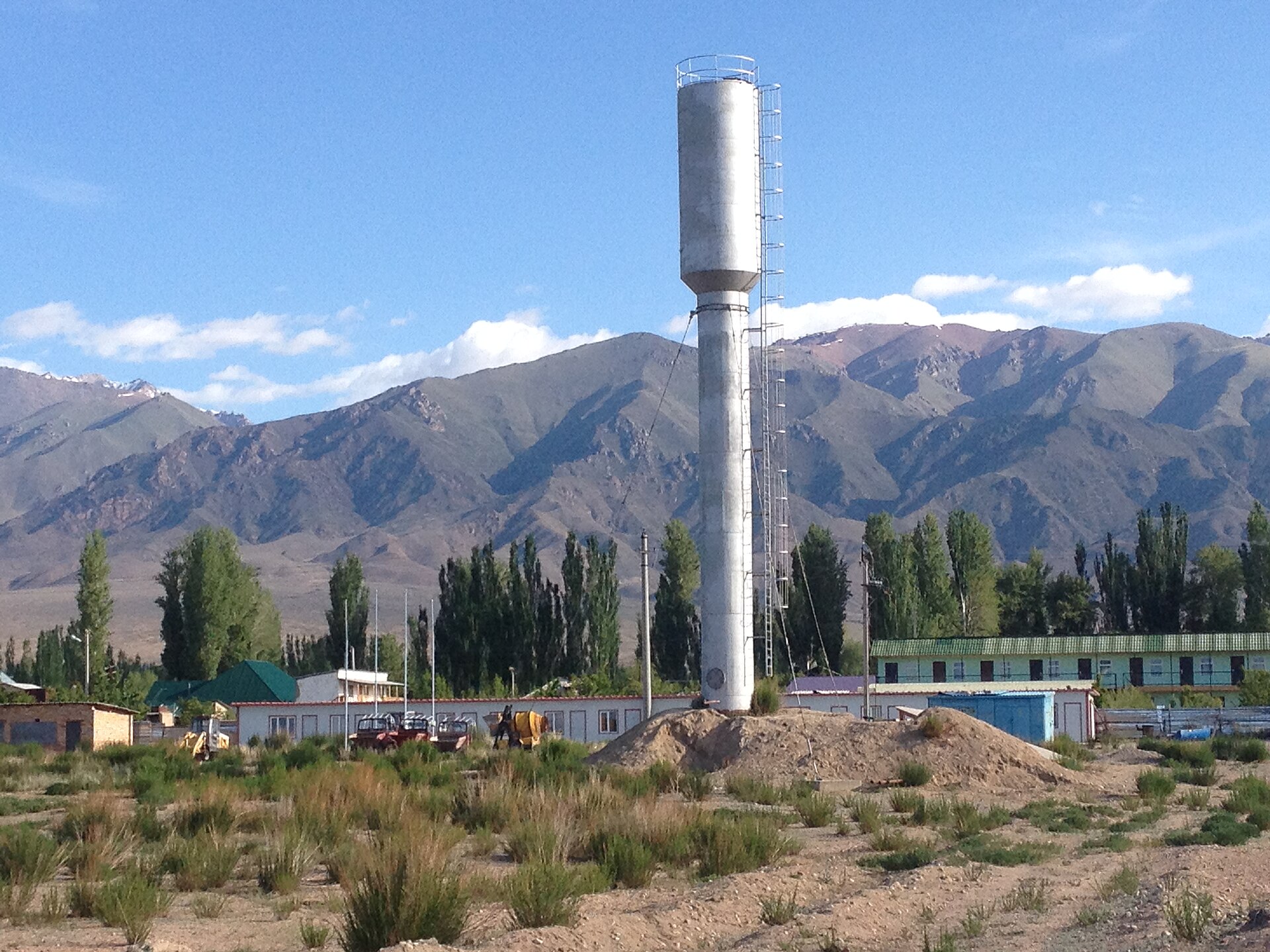
Photo: A landscape in the Issyk-Kul region, Kyrgyzstan (illustrative). Hansjoerg Eberle / Wikimedia Commons, CC BY 3.0