Kazakhstan’s Pavlodar Region Harvests Record 1 Million Tonnes of Potatoes
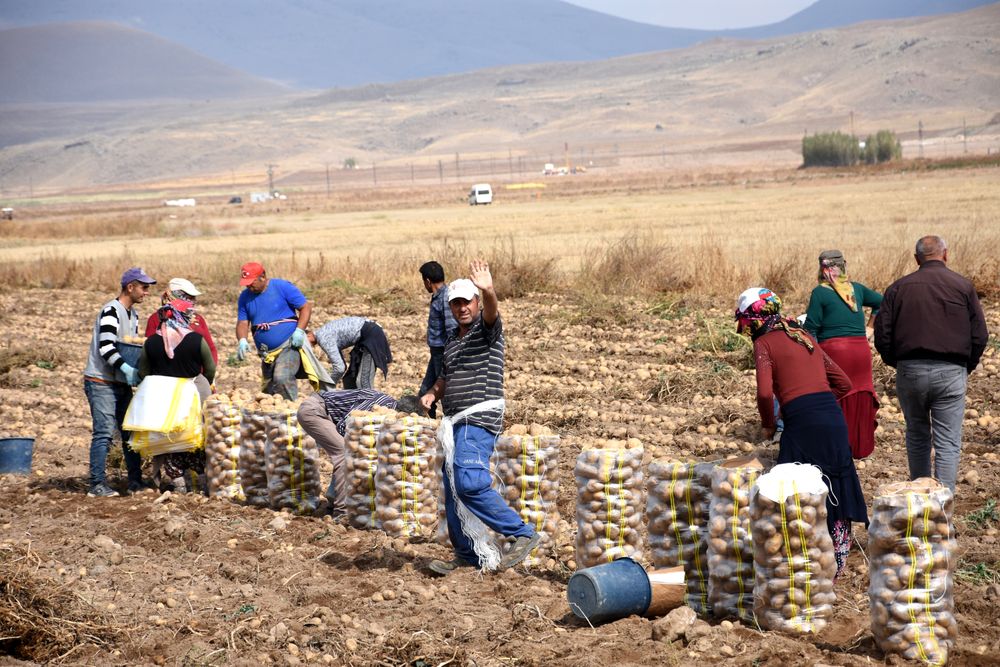
Kazakhstan’s Pavlodar region has harvested a record 1 million tonnes of potatoes in 2026, with the regional Agriculture Department saying the surplus above local needs will again move largely to Uzbekistan and other Central Asian markets.
Farmers in Kazakhstan’s Pavlodar region brought in a record potato harvest of around 1 million tonnes this year, local broadcaster 24KZ reported, citing the regional Department of Agriculture. The region’s own food needs are estimated at about 75,000 tonnes a year — a small fraction of the harvest, leaving a large marketable surplus to be stored, shipped to other parts of Kazakhstan, or exported.
A seed-potato base for next year. Of this year’s crop, about 80,000 tonnes of seed potatoes have already been placed in storage for the 2027 planting season, with a further 30,000–40,000 tonnes held at seed farms for sale to other growers. The scale of seed-potato output reflects Pavlodar’s position as one of Kazakhstan’s principal potato-growing regions.
Weekdays. Unsubscribe in one click.
Uzbekistan the traditional buyer. Kazakhstan’s potato exports have for several seasons run predominantly toward Uzbekistan and, to a lesser extent, Kyrgyzstan, with smaller volumes reaching Russia, Tajikistan and Turkmenistan — a pattern regional officials expect to continue this season as well. Nationally, the Ministry of Agriculture has said Kazakhstan’s 2026 gross potato harvest is forecast at around 2.8 million tonnes, little changed from the previous year, with last year’s exports at roughly 388,000 tonnes and this year’s export potential estimated at around 400,000 tonnes; officials said in late September there were no grounds to restrict exports.
Processing still lags production. Despite the scale of the harvest and established export channels, Pavlodar’s potato-processing capacity remains limited relative to the volumes grown. Several processing projects are reportedly under development in the region, but it is not yet clear whether their eventual capacity will be enough to absorb a meaningfully larger share of the surplus.
The record harvest underlines Kazakhstan’s role as a structural potato supplier to its Central Asian neighbours. Without a larger domestic processing base, Pavlodar’s surplus will keep moving mostly as raw table and seed stock to buyers across the border, leaving growers’ returns exposed to shifts in demand or trade conditions in those markets. How the region’s processing projects develop over the coming seasons will shape whether more of that value can be captured at home.