Kazakhstan: Potato Harvest Reaches 2.5 Million Tonnes by 26 September
Kazakhstan has harvested 2.5 million tonnes of potatoes, the agriculture ministry said on 26 September. The volume rose by 0.7 million tonnes in nine days.
Kazakhstan has harvested 2.5 million tonnes of potatoes this season. The Ministry of Agriculture gave the figure on 26 September. The state news agency Kazinform published it.
On 17 September, the ministry reported 1.8 million tonnes of potatoes. It presented that figure at an expanded board meeting chaired by Minister Aidarbek Saparov. The Inbusiness.kz site reported the meeting.
Between the two reports, the harvest grew by 0.7 million tonnes in nine days.
Weekdays. Unsubscribe in one click.
Vegetables and grain
Vegetable growers have collected 2.9 million tonnes, up from 2.6 million tonnes on 17 September. Melons and gourds reached 2.3 million tonnes.
The grain harvest is 81.5% complete. Farmers have threshed 18.6 million tonnes from 12.7 million hectares. The average grain yield is 14.6 centners per hectare.
The ministry did not publish the harvested potato area or the average potato yield. It also did not give a forecast for the final potato crop.
Storage capacity
Storage is the next question for the new crop. On 2 September, the Elorda Info portal reported on a state storage plan for 2023–2025. Under the plan, 95 vegetable stores with a total capacity of 745,600 tonnes were built or modernised.
According to Elorda Info, the country now has 941 vegetable stores with a combined capacity of 2.56 million tonnes. Pavlodar region leads with 591,500 tonnes. State subsidies for new stores rose from 25% to 40–50% of costs.
Stores hold vegetables and fruit as well as potatoes. So not all this capacity is available for the potato crop.
Why it matters
Kazakhstan is a major potato producer in Central Asia and a supplier to neighbouring countries. A fast harvest brings a large volume to the market in a short time. This can press prices at the farm gate in autumn.
Growers with storage can wait for better prices in winter and spring. Those without storage will have to sell soon after harvest. Buyers in the region will watch the final crop figure and export demand.
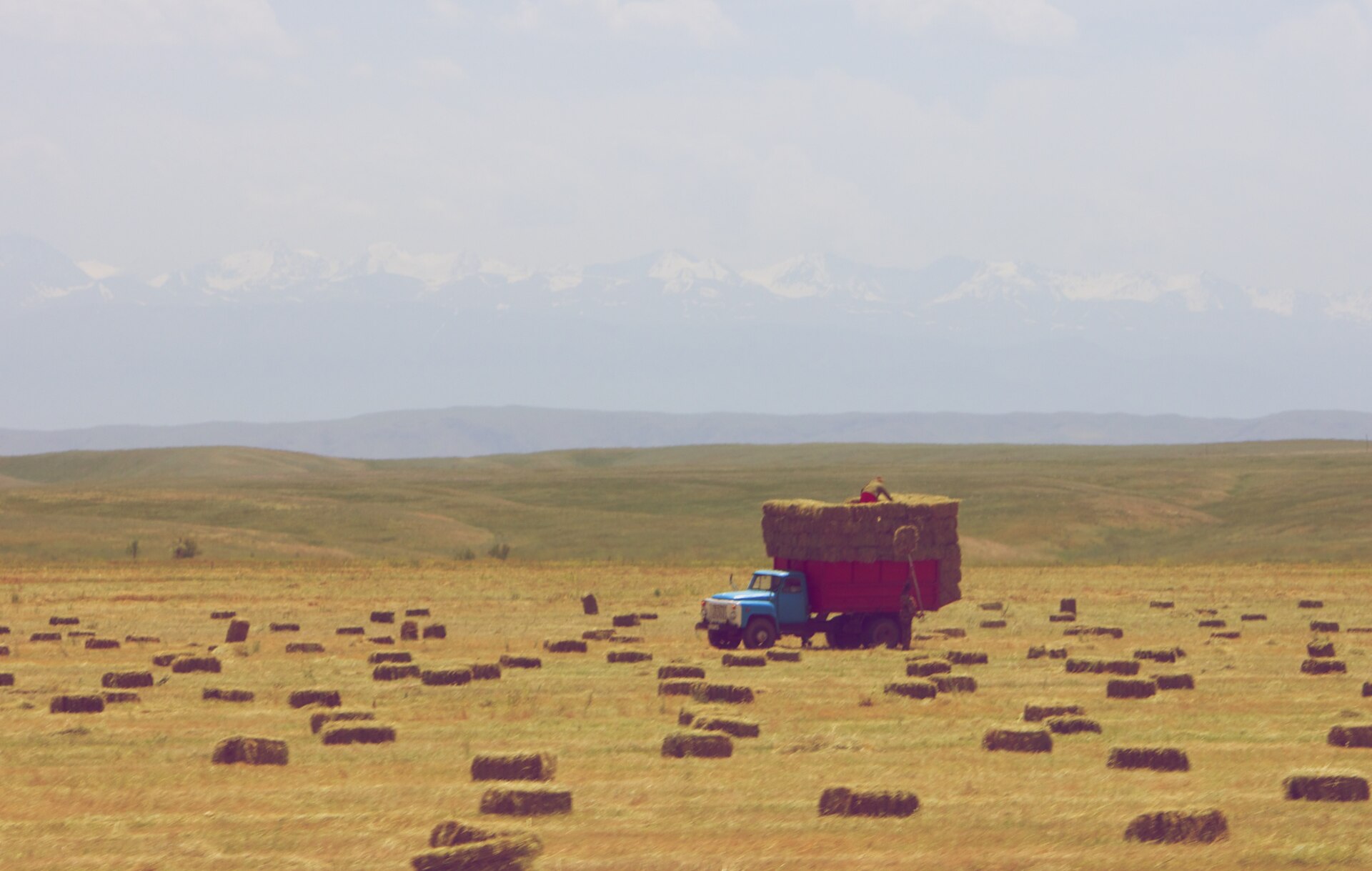
Photo: Harvest season in a field in Kazakhstan (illustrative). Togzhan Ibrayeva / Wikimedia Commons, CC BY-SA 4.0