Japanese Food Firms Shift to Pest-Resistant Potatoes Amid Growing Contamination Fears
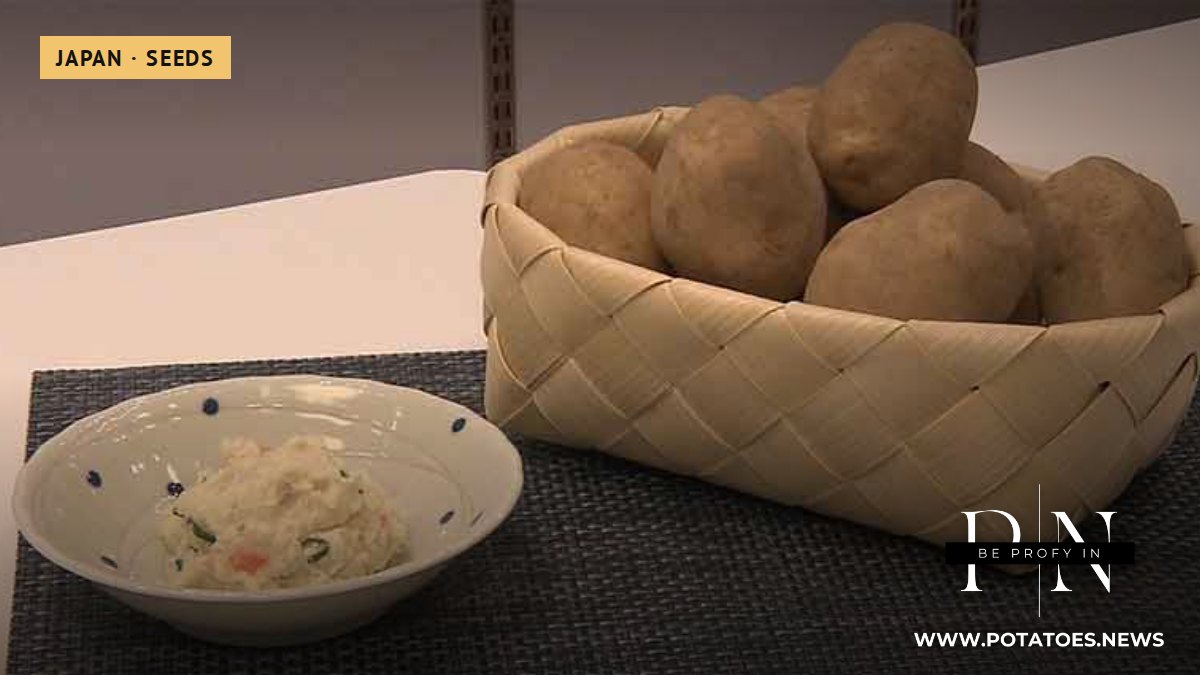
Facing rising concerns over contamination, leading Japanese food manufacturers are turning to pest-resistant potatoes. Last week, Kewpie announced that its food service subsidiary plans to sell potato salad made from the Yumeikoro variety starting in fiscal 2027. This variety can grow even in soil containing nematodes, which can severely damage its growth. Yumeikoro is said to differ in taste from the popular but less pest-resistant Baron potato. The company claims it has managed to prepare a delicious salad from Yumeikoro potatoes by mixing them with mayonnaise. The subsidiary says about 80% of the potatoes used in its prepared dishes are pest-resistant varieties, and it forecasts a full conversion by 2030. The Japanese government in principle bans imports of raw potatoes, but the United States is pressing it to lift the ban. This situation has sparked resistance from Japanese producers worried about the risk of pest spread.
Meanwhile, Japan’s Ministry of Agriculture supports the promotion of resistant varieties, as the pest has already been detected in the country. A subsidiary of major snack maker Calbee is also aiming to fully switch to this resistant potato variety by 2035. The shift reflects a broader effort by Japanese agribusinesses to safeguard domestic production against a persistent agricultural threat while balancing consumer demand and trade pressures. As companies accelerate their transition, the question of whether Japan will open its market to foreign raw potatoes remains closely tied to scientific safety assessments and the future of its domestic farming sector.