Japan’s New Agriculture Minister Faces Hokkaido Backlash Over U.S. Potato Import Expansion
Agriculture minister Arata Takebe, appointed on 15 October, opens his term amid Hokkaido opposition to expanded U.S. fresh potato imports, citing 21 pests requiring quarantine review.
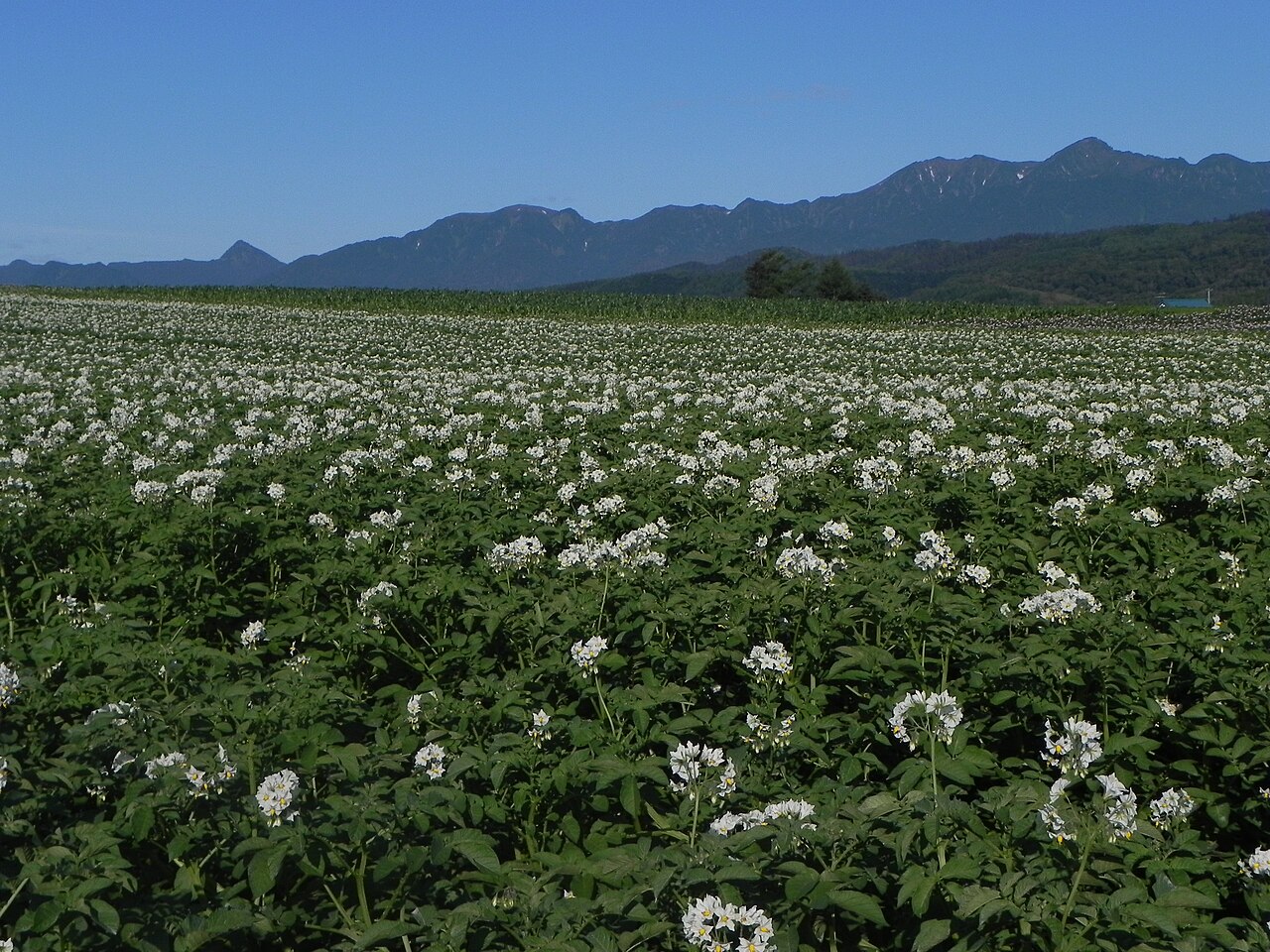
Agriculture minister Arata Takebe, appointed on 15 October 2026, opens his term amid opposition in his native Hokkaido — which produces about 80 percent of Japan’s potatoes — to proposals for expanded fresh potato imports from the United States.
Japan’s newly appointed agriculture minister, Arata Takebe, has begun his term with a politically sensitive file on his desk: whether to expand imports of fresh potatoes from the United States. The issue strikes directly at his own electoral base — Takebe, a Lower House member and the son of a former agriculture minister, represents a district in Hokkaido, the northern island that supplies about 80 percent of Japan’s domestically grown potatoes.
Japan currently restricts fresh potato imports, admitting only those intended for potato chip manufacturing. The United States has long pressed for wider access to the Japanese market.
Weekdays. Unsubscribe in one click.
Growers in Hokkaido and other potato-producing regions have voiced opposition to lifting the restrictions. The central worry is phytosanitary: Japan’s agriculture ministry has identified 21 potato pests and pathogens that would require additional quarantine measures if import restrictions were lifted.
Takebe has signalled caution, saying negotiations with the United States would proceed on the basis of scientific evidence and that risk-management measures for each of the 21 pests and diseases would need to be discussed thoroughly before any change to the current restrictions.
The standoff illustrates a familiar tension in Japanese farm policy: trade partners see one of Asia’s most lucrative food markets, while domestic producers — organised, politically influential and concentrated in rural constituencies — treat import liberalisation as an existential threat. With Hokkaido’s growers and the minister himself answerable to those voters, any move on U.S. fresh potato access looks set to be slow, technical and heavily conditioned on quarantine science rather than trade politics.
Sources: nippon.com; The Star (thestar.com.my), October 2026.