India: Potato Costs ₹308,051 per Hectare in Himachal’s Kangra, Seed and Labour Take 56%
A survey of 200 growers in the hill district shows seed as the largest cost item. Net return reached ₹159,654 per hectare, and larger farms produced each quintal more cheaply.

Growing one hectare of potatoes in Kangra district of Himachal Pradesh cost ₹308,051 in 2022–23. Seed and hired or family labour made up 56% of this cost. The figures come from a survey of 200 potato growers. Two papers in the Potato Journal of the Indian Potato Association published the results in 2024. The Indian portal IndianPotato summarised the data on 14 September 2026.
Where the money goes
Seed was the largest item, at ₹89,335 per hectare, or 29% of the total. Human labour cost ₹83,174, or 27%. Manure, fertiliser, plant protection, machinery and irrigation together cost ₹101,657, or 33%. Variable costs reached ₹274,165 per hectare. Fixed costs added ₹33,886.
Gross income was ₹467,705 per hectare. The net return was ₹159,654 per hectare. Output was about 1.52 times the total cost.
Weekdays. Unsubscribe in one click.
Small and large farms
The average surveyed farm had 1.76 hectares, and 74% of the land was irrigated. Measured yields were 246–254 quintals per hectare, or about 25 tonnes. Large farms produced more cheaply. Their cost was ₹1,195 per quintal, compared with ₹1,270 on small farms. Large farms also received slightly higher prices: ₹1,880 per quintal against ₹1,860. The margin was ₹685 per quintal on large farms and ₹590 on small farms.
A long-term cost squeeze
A separate analysis by the portal looked at Himachal Pradesh over two decades. It found that production costs grew faster than returns. The portal did not name the data source for that analysis, so its numbers are not repeated here.
Why it matters
Hill states such as Himachal Pradesh grow potatoes in a different season from the plains of Uttar Pradesh, Punjab and West Bengal. Their costs are high because seed and labour are expensive in the hills. The survey shows that seed alone takes almost a third of the budget.
For growers, cheaper quality seed would have the biggest effect on margins. Better seed systems, such as local multiplication of certified seed, could cut the largest cost item. The data are from 2022–23, so current costs are likely higher. Growers should use the structure of costs, not the exact rupee figures, when they plan the next season.
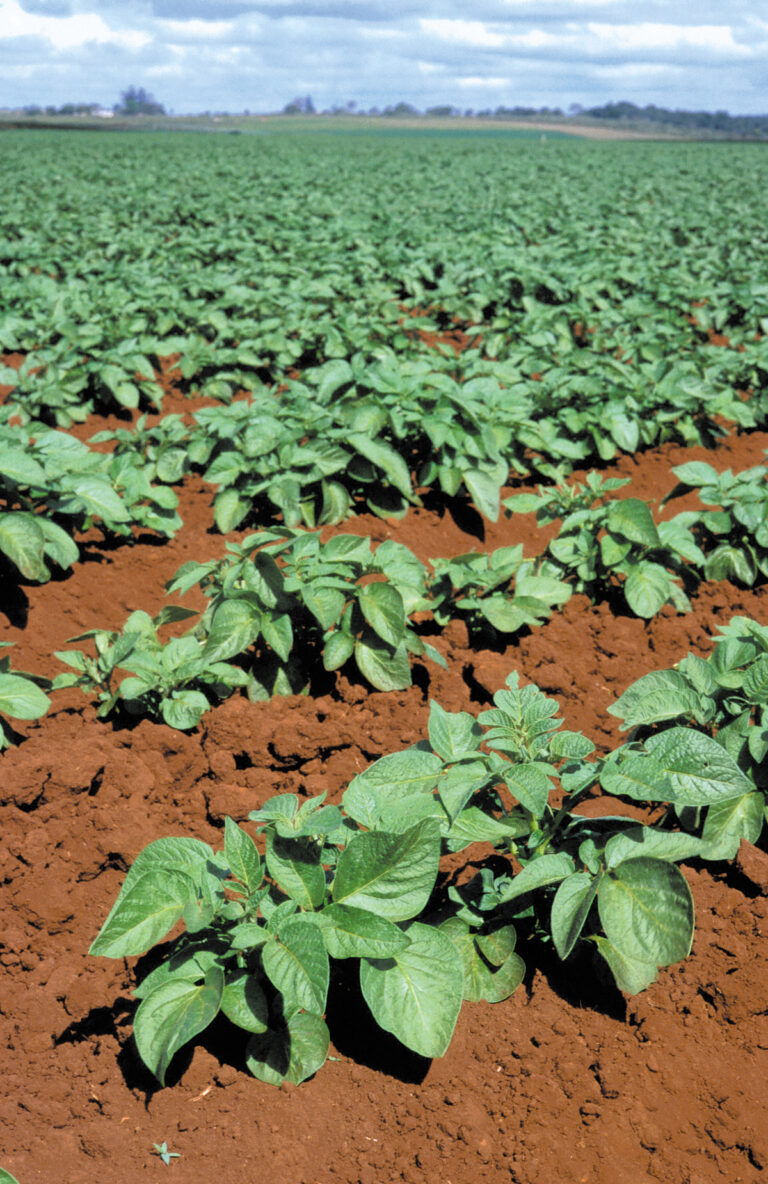
Photo: Farmland in Mandi district, Himachal Pradesh, India (not Kangra) (illustrative). Timothy Gonsalves / Wikimedia Commons, CC BY-SA 4.0