Only about 45% of the potatoes stored in cold stores around Agra, in the Indian state of Uttar Pradesh, have been taken out so far, with the new sowing season weeks away, the Hindi daily Amar Ujala reported on 23 September.
According to the report, 3.041 million tonnes (30.41 lakh tonnes) of potatoes were placed in 332 cold stores. With just under half cleared, a large volume remains in storage as the market fails to absorb it.
A two-day buyer-seller conference held in Agra on 12–13 September, attended by officials from 31 districts, resulted in only eight deals, the newspaper said.
Potato sowing in the area begins around 15 October, and cold stores must be emptied by 30 November. Farmers told the paper they lack money for seed, fertiliser and labour because their stored potatoes remain unsold. The agriculture department fears that the potato area will shrink in the coming season as a result.
The report is a single source within the past week. The buyer-seller conference itself was covered earlier by other Indian media.
The situation in Agra follows the pattern seen in other north Indian potato states this year. potatoes.news has reported on Uttar Pradesh’s price-support and cold-storage subsidy scheme, which saw low early uptake (read more), and on Punjab, where growers are selling below cost because cold stores remain full.
Potatoes that remain in store at the end of November have to be removed regardless of price, which leaves growers little room to wait for a better market.
A smaller planted area in the coming rabi season, if it happens, would reduce next year’s supply and could reverse the current glut.
Why it matters
With more than 3 million tonnes placed in its cold stores, Agra is a major potato-storage hub. If cash-strapped farmers plant less this autumn, the effect would be felt in 2027 supply and prices across northern India. For now, the priority for growers and cold-store operators is clearing old stock before the 30 November deadline.
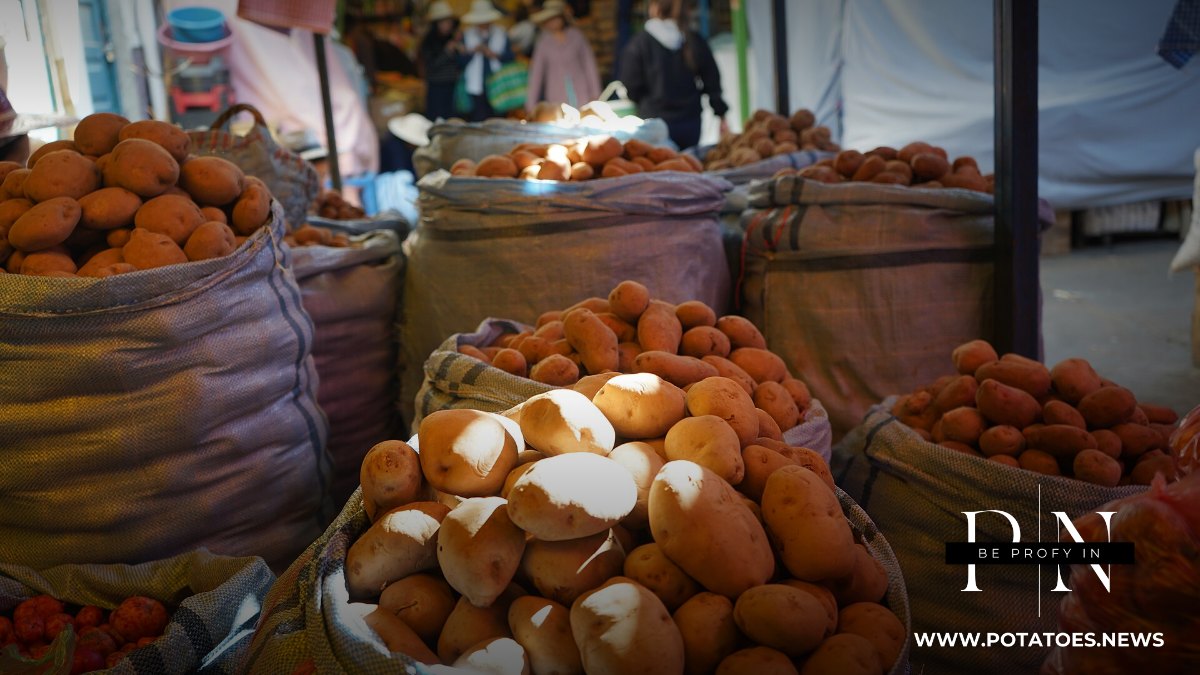
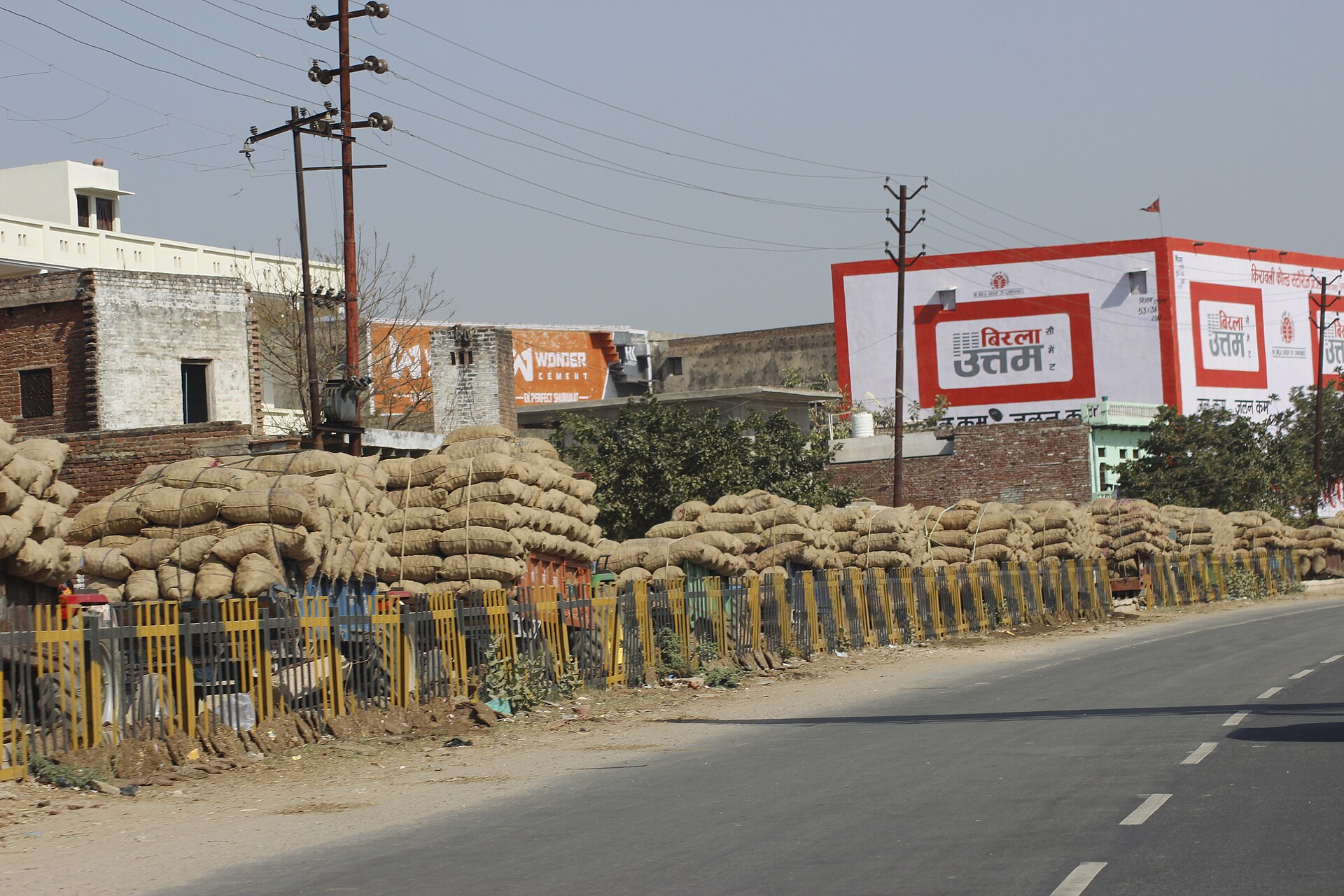
Photo: Potatoes being taken to a cold store in India (illustrative). Suyash Dwivedi / Wikimedia Commons, CC BY-SA 4.0