Hungary’s potato acreage falls to 5,065 hectares as drought and frosts squeeze European supply
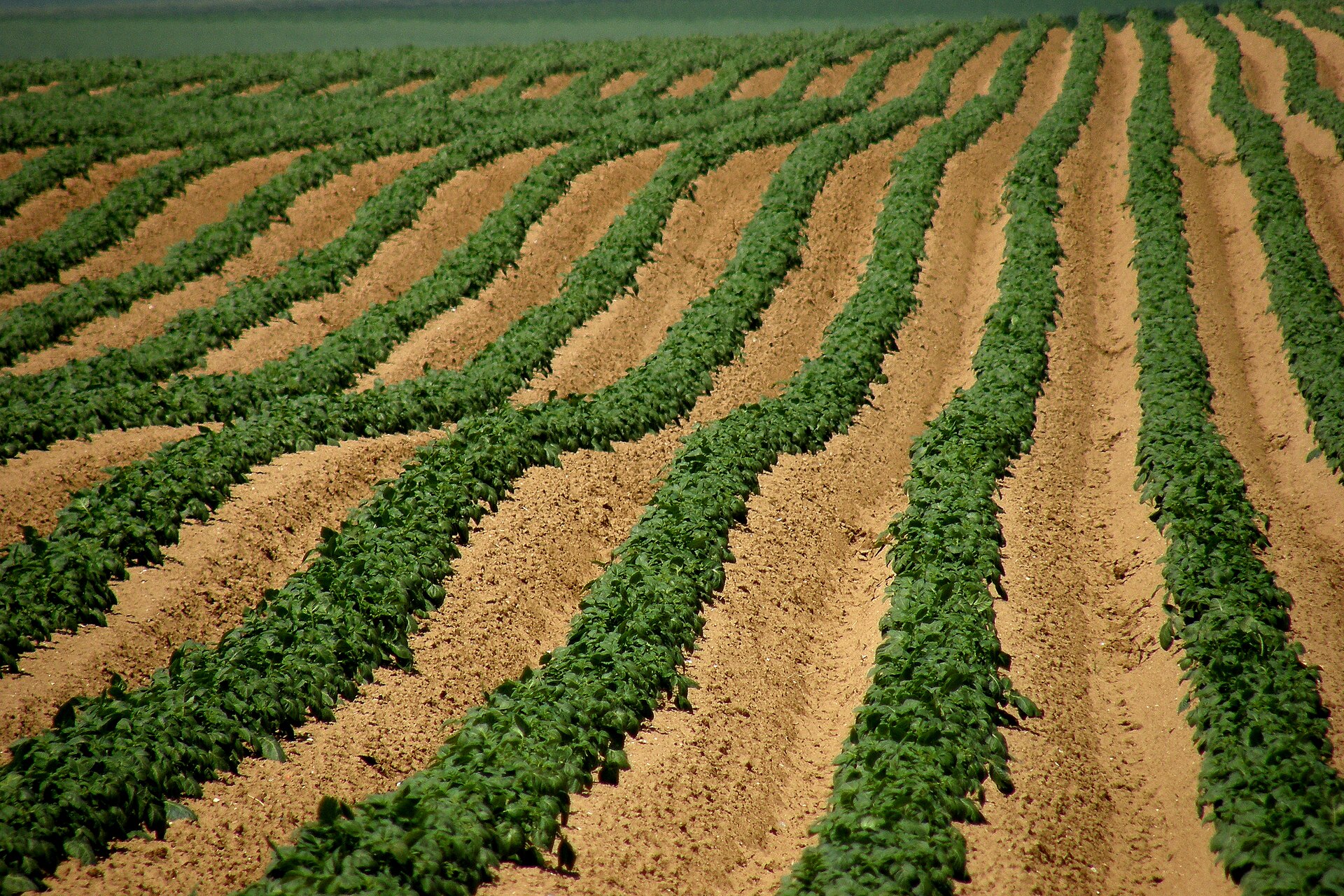
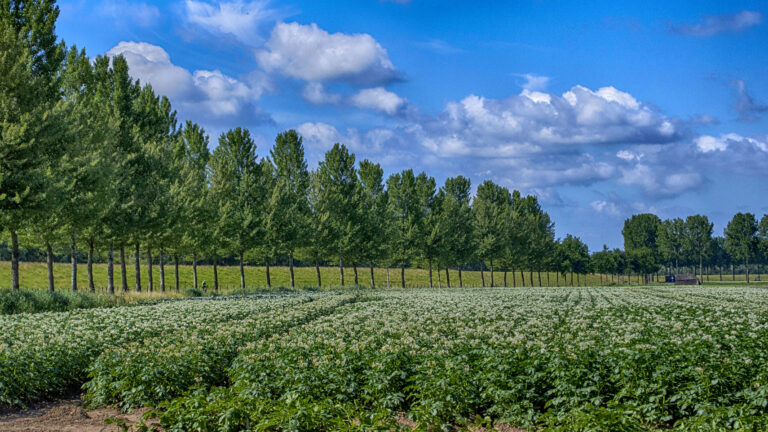
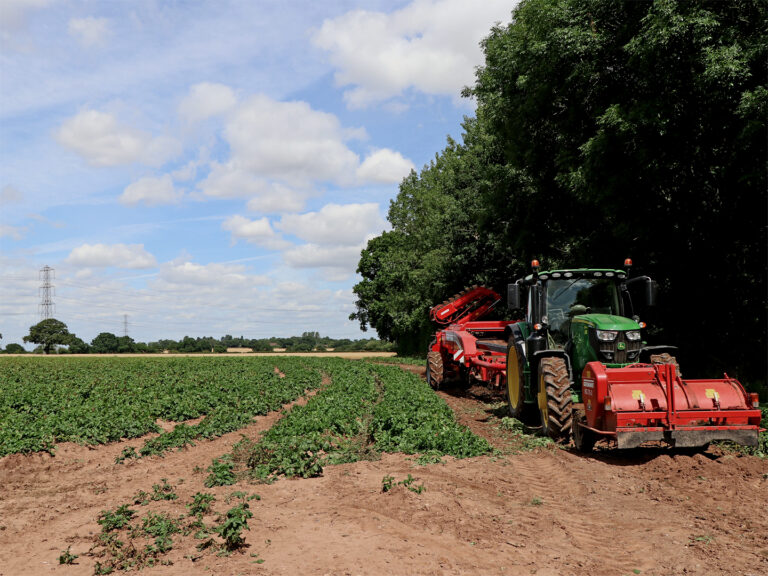
Potato cultivation in Hungary has declined to 5,065 hectares in 2026, while reduced acreage and weather-related crop losses are affecting supplies across Europe, FreshPlaza reports.
The Hungarian figure is the latest point in a long structural decline. Potato acreage in the country fell from nearly 63,000 hectares in 1997 to approximately 7,800–8,000 hectares in 2025. The 2025 harvest totalled 221,000 tonnes. Against that backdrop, losing almost another 40 per cent of the remaining area in a single year marks an acceleration, not a continuation, of the trend.
Weather has compounded the structural retreat. Late frosts caused losses of 20 to 30 per cent in Hungary’s early potato crop this year, followed by summer drought — the same combination that punished growers across the continent.
Weekdays. Unsubscribe in one click.
The wider European picture makes Hungary’s position harder. Following earlier oversupply, growers in Germany, France, Belgium and the Netherlands reduced planting areas for 2026 by 11 to 14 per cent. Belgium recorded a 16.6 per cent reduction, the Netherlands 15.1 per cent, and France just under 10 per cent. According to France’s National Union of Potato Growers (UNPT), the French table potato harvest is estimated to have fallen 23 per cent year on year, equivalent to nearly two million tonnes. Average yields reached 37.4 tonnes per hectare, with grower losses estimated at €400 million (approximately US$470 million). Heat and drought have also affected yields and tuber quality in Germany, Belgium and the Netherlands, particularly on non-irrigated land.
This matters directly for Budapest because Hungary relies on imports from Western Europe, Egypt and Israel to supplement domestic supplies. With Western European harvests reduced, the traditional import backfill is becoming scarcer and more expensive at exactly the moment Hungarian domestic output is at its weakest. Growers, meanwhile, face increasing pressure to invest in irrigation infrastructure — capital spending that is hard to justify on a shrinking area base.
The Hungarian case illustrates how quickly a secondary producing country can be squeezed from both sides in a bad year: domestic acreage in long-term decline, weather cutting what remains, and the import safety net thinning as supplier countries count their own losses. For the region’s traders, Hungary joins a lengthening list of Central European markets that will be competing for a smaller pool of exportable European potatoes this winter.
Whether the 2026 shock triggers a policy response — irrigation support, seed sector investment, storage incentives — will determine if 5,065 hectares is the floor or just another step down. For now, Hungarian consumers and processors alike face a winter in which the potato on their plates is increasingly likely to have been grown somewhere else — and sourced from a supplier base that has itself just recorded some of its weakest yields in years. The answer will shape not only next season’s planting decisions but the country’s place in the regional potato trade for the rest of the decade.
Source: FreshPlaza