Global: Tubers With More Calcium Had 10.6% Internal Defects Versus 16.4% in Wisconsin Trials
University of Wisconsin trials link higher tuber calcium to fewer cases of internal brown spot and hollow heart. Split calcium doses during bulking gave the best results.
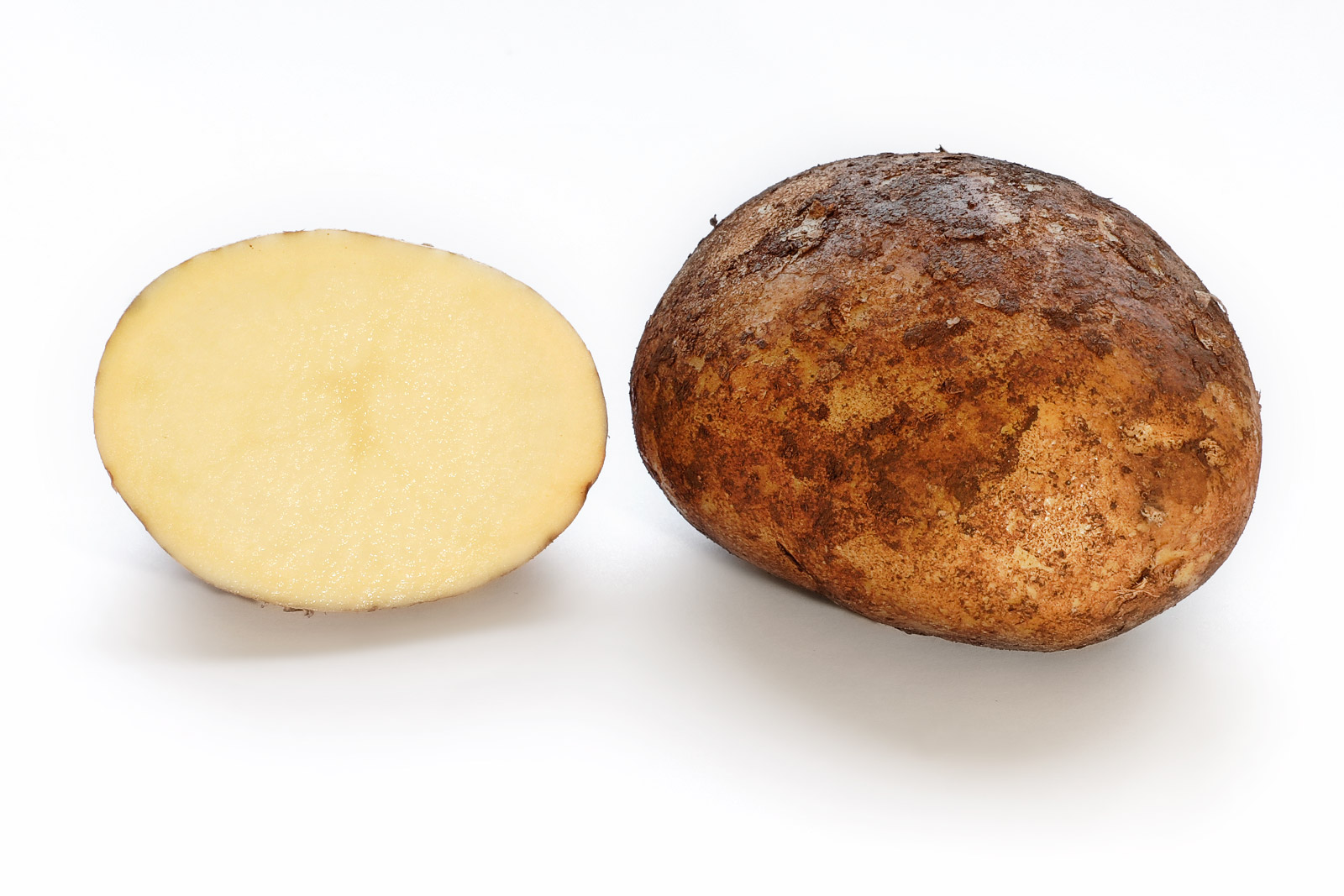
Internal brown spot and hollow heart are hidden defects. They are found only when the tuber is cut, often by the buyer. Work at the University of Wisconsin–Madison links both defects to low calcium inside the tuber.
In a study published in 1999 in the Journal of the American Society for Horticultural Science, Matthew Kleinhenz, Jiwan Palta, Christopher Gunter and Keith Kelling tested calcium on the variety Atlantic at the Hancock Agricultural Research Station. They supplied 168 kg/ha of calcium from gypsum, calcium nitrate and a third source, in split or single applications. Tubers with more than 100 µg/g (dry weight) of calcium in the inner tissue had internal defects in 10.6% of cases. Tubers with 100 µg/g or less had defects in 16.4% of cases.
In 1994, split application raised inner tissue calcium to 129.9 µg/g, against 116.4 µg/g with a single application. It was linked to a 37% lower incidence of internal defects. An earlier paper by the same group on Russet Burbank reported that split calcium at about 168 kg/ha gave fewer but larger tubers and a higher share of grade A tubers.
Weekdays. Unsubscribe in one click.
Timing matters
A fact sheet by Professor Palta, prepared with the PEI Potato Board in Canada in April 2018, gives practical numbers. Trials used about 100–150 lb of calcium per acre (about 112–168 kg/ha) in three or four split doses, 2–3 weeks apart, starting at tuber initiation. A calcium level of about 200 ppm in the inner tuber tissue is considered desirable. Potatoes responded on soils with 300–1,300 ppm exchangeable calcium. The soil should hold at least 60% calcium among the bases (calcium, magnesium and potassium).
The fact sheet names calcium nitrate, calcium chloride and gypsum as sources, with gypsum suggested for sandy soils. Without irrigation, calcium can be applied at the last hilling.
Why it matters
The Wisconsin results show that a soil with an ordinary calcium level can still give tubers with too little calcium. Split doses during tuber bulking raised calcium inside the tuber and lowered defects. For chip and fresh-market growers, fewer rejections for hollow heart and brown spot can pay for the input.
Results depend on soil, variety and season. Strip trials on the farm, with tuber calcium tests at harvest, are the safest way to check the response before changing the whole fertiliser plan.
Photo: A potato tuber and its cross section (illustrative). Unknown author / Wikimedia Commons, GFDL 1.2