Global: Soil Compaction Cut Potato Yields by an Average 18 t/ha in UK Trials
A review for the UK potato levy board found compaction cut yields in 13 of 16 trials. Wheel loads above 3.5 tonnes and high tyre pressures push damage deep into the subsoil.
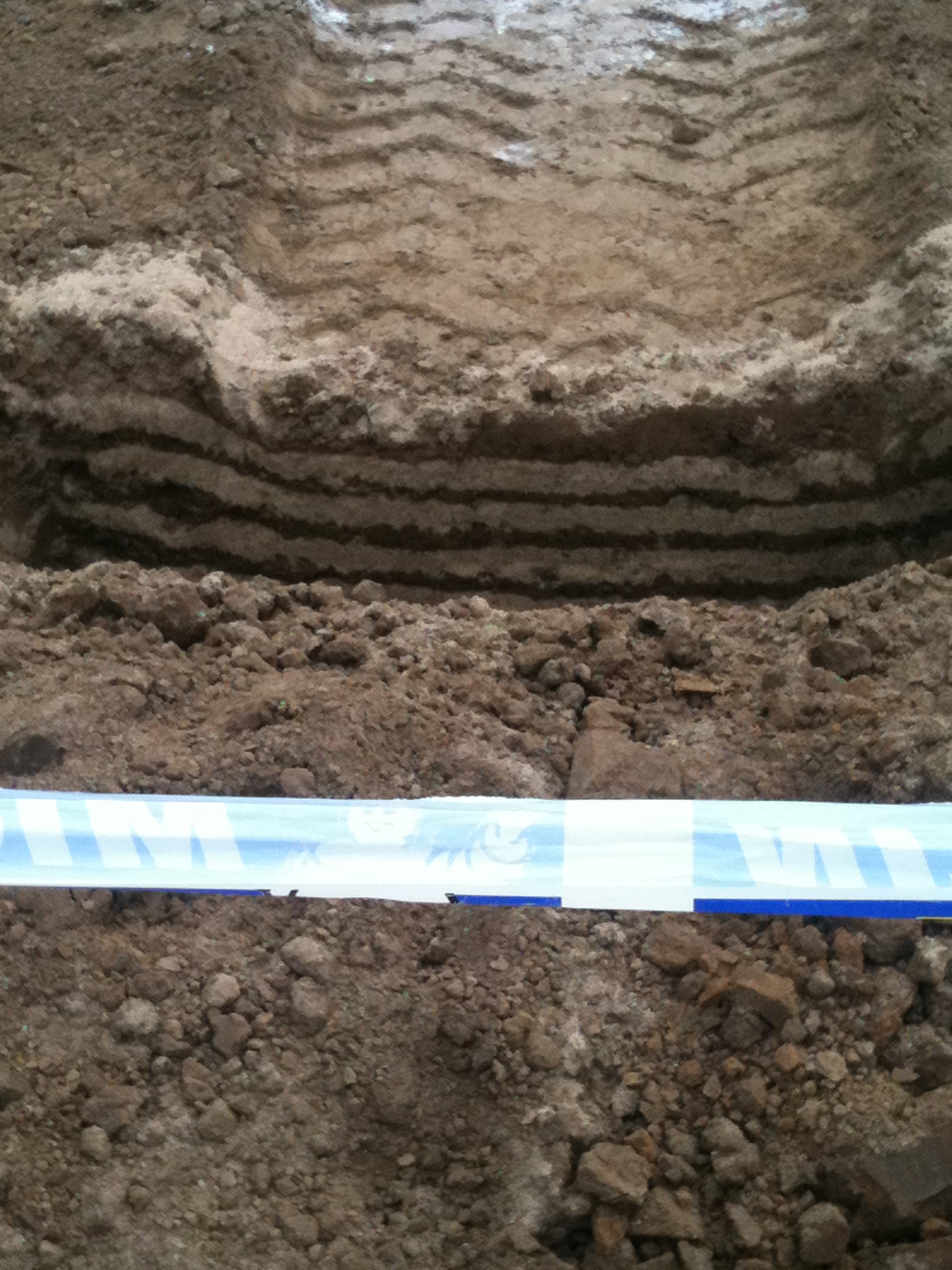
Late harvests on wet soil leave deep marks. Research reviewed for the UK potato levy board shows that the damage can reach far beyond one season.
In 2005, M. A. Stalham, E. J. Allen and F. X. Herry reviewed the effect of soil compaction on potato growth for the then British Potato Council (AHDB project R261). In 16 experiments with artificially compacted soil, 13 showed significant yield decreases. The average loss was 18 t/ha against a mean yield of 54 t/ha without compaction. The largest differences were 25–38 t/ha. Roots grow 1.5–2 cm per day in loose soil, and the fastest root growth comes three to four weeks after emergence.
Loosening does not always help. Of 83 experiments that measured subsoiling, only 28 showed a significant yield increase, and 3 showed a significant decrease.
Weekdays. Unsubscribe in one click.
Wheel load and tyre pressure
AHDB’s guide on soil compaction from machinery gives two rules of thumb. Wheel loads above 3.5 tonnes can cause serious, permanent, deep compaction. Below 30 cm, the depth of compaction increases by about 8 cm for each extra tonne of wheel load, and by about 8 cm for each doubling of tyre pressure above 1 bar. AHDB advises reducing pressure on the ground with larger tyres and lower inflation pressures, and checking the top 40 cm of soil.
Penn State Extension in the United States gives similar advice. It recommends axle loads below 10 tons, and preferably below 6 tons. It says tyre inflation pressure is roughly the same as the contact pressure on the soil, and that truck tyres inflated to 100 psi (about 6.9 bar) should stay out of the field. In international studies it cites, subsoil compaction cut first-year yields by about 15%, and a loss of about 3% remained ten years later.
Why it matters
Potato harvest brings heavy machines onto the field: harvesters, loaded trailers and tractors, often when soil is wet. Topsoil can be loosened again, but compaction below 30 cm is hard to remove, and crops that follow in the rotation pay the price.
Subsoiling is not a sure fix: most trials in the UK review did not show a yield gain. Lower tyre pressures, smaller trailer loads in the field and fewer passes on wet soil are cheaper than repair later.
Photo: Soil compaction by machinery (illustrative). Blonder1984 / Wikimedia Commons, CC BY-SA 3.0