Global: Soil Below 55°F for 5–7 Days at Tuber Set Triggers Hollow Heart
University of Idaho and Washington State research shows that cold soil, excess water and uneven nitrogen at tuber initiation start brown center and hollow heart in potatoes.
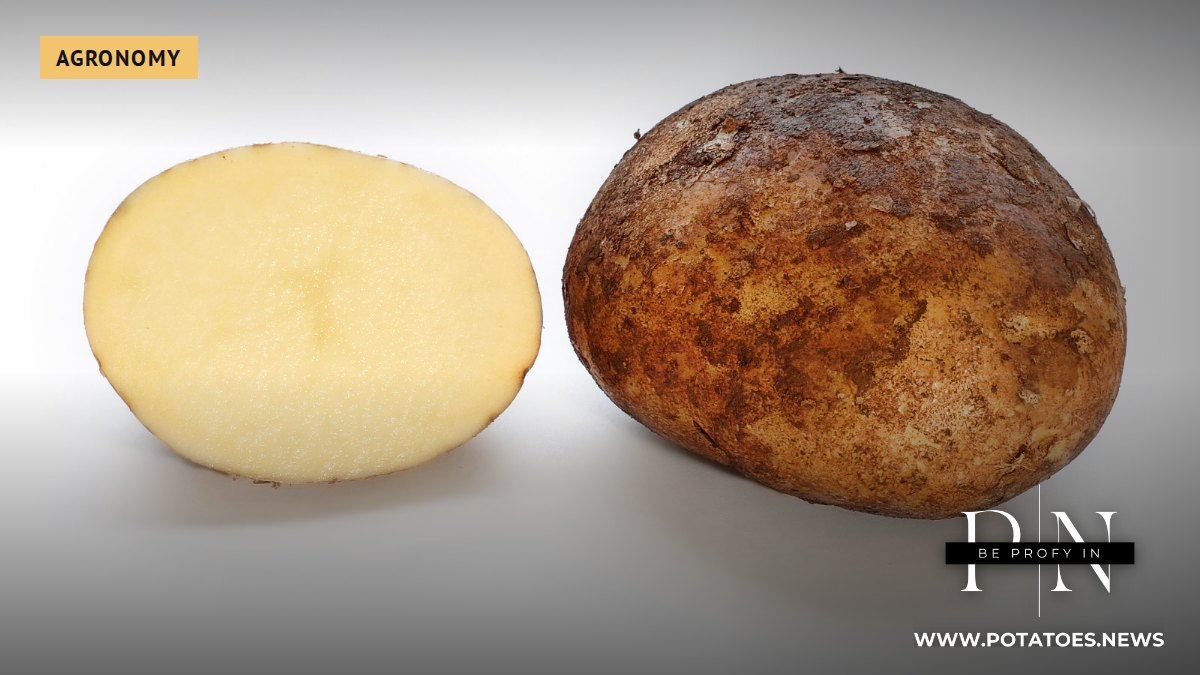
Hollow heart is a cavity in the centre of a potato tuber. It usually starts as brown center, a small area of dead, brown cells. Neither disorder shows on the outside, so affected tubers pass the field and the grader and are found only when the tuber is cut, often by the processor or the consumer.
Research from Idaho and Washington links the problem to cold soil at the start of tuber formation. The University of Idaho Bulletin 691 states that soil temperatures of 50–55°F (10–13°C) for 5 to 7 days, during or for several weeks after tuber initiation, are enough to start brown center. It adds that both disorders are more common when soil stays below 60°F (about 16°C) during and for one month after tuber initiation. University of Idaho specialists Mike Thornton and Nora Olsen, quoted by Potato Country, give the same trigger: soil below 55°F for 5 to 7 days during early tuber development.
Earlier controlled experiments by Larry Hiller and colleagues at Washington State University showed that timing is decisive. Russet Burbank plants given three 7-day periods of 50/65°F (night/day) developed brown center. Plants given three 2-day periods at the same temperatures did not. Night temperatures of 50°F caused more brown center than 40°F or 60°F. Earlier planting dates generally gave more brown center and hollow heart.
Weekdays. Unsubscribe in one click.
Water and nitrogen also play a role. According to the Idaho bulletin, soil moisture above 80–85% of field capacity at tuber initiation increases brown center and stem-end hollow heart. Nitrogen given as 30 pounds per acre every two weeks through the irrigation system caused more defects than 15 pounds once a week. Wider in-row spacing at planting also raised incidence.
Variety matters. The bulletin says Russet Burbank develops stem-end hollow heart much more often than Norgold Russet or Lemhi Russet, while Butte is resistant. In a field study it cites, over 70% of brown center was found in two groups: 6–10 ounce US No. 1 tubers and undersize tubers below 4 ounces.
Why it matters
Hollow heart is an internal defect that leads to rejected loads, especially for fresh-cut and baking markets. The research shows it is largely set in the few weeks around tuber initiation. Growers who plant early into cold soil should expect higher risk, and can reduce it with steady, moderate irrigation, split nitrogen and closer in-row spacing for susceptible varieties.
Photo: A potato tuber and its cross section (illustrative). Unknown author / Wikimedia Commons, GFDL 1.2