Global: Soil Above 24°C Triggers Second Growth; Hot Texas Site Yielded 67% Less
NDSU, the French seed potato sector and a 2024 Texas study show how soil heat above 24–25°C stops tuber growth and causes knobs, chains, glassy ends and lost yield.
Secondary growth, also called second growth, happens when a potato tuber stops growing during stress and then starts again. The result is knobs, chains of small tubers, dumbbell and bottleneck shapes, and heat sprouts. It is mainly a heat problem, and hotter summers make it more common.
Several sources put the trigger at about 24–25°C. NDSU Extension (Andy Robinson, reviewed April 2025) says soil temperature as low as 75°F (24°C) can stimulate the disorder. Soil held at 82°F (28°C) for a month, or at 90°F (32°C) for one week, has given consistent and significant second growth. The French seed potato body plantdepommedeterre.org says temperatures above 25°C stop tuber formation and cause deformation. Rain or heavy irrigation after a hot, dry period can restart growth and form new tubers along the stolons.
A field and greenhouse study by Vales and colleagues, published in Frontiers in Plant Science in 2024, measured the effect in Texas. Total yield at the hotter Springlake site was 67% lower than at the cooler Dalhart site. In the greenhouse, 35/25°C day/night temperatures cut yield by 18% compared with 25/15°C in 2021. Knobs were the main external defect in all clones, followed by heat sprouts. Chain tubers and growth cracks stayed below 1%. Russet Burbank showed a high share of tubers with external defects, while Atlantic had the most internal defects, mainly internal heat necrosis.
Weekdays. Unsubscribe in one click.
The damage is not only cosmetic. When a new tuber grows, it draws sugars from the old one. According to the French source, starch in the older tuber breaks down and its specific gravity falls. The stem end can turn glassy and translucent, and may liquefy in storage. NDSU describes the same effect as jelly end rot: sugars build up in the stem end instead of starch. Glassy seed tubers germinate poorly and give stunted plants.
Management focuses on reducing stress. NDSU advises choosing less prone varieties, keeping plant stands uniform, supplying adequate nutrition, keeping soil moisture even and using irrigation to cool the soil without overwatering. It notes that short-dormancy varieties seem more prone to heat sprouts and chaining.
Why it matters
For processors, second growth means low dry matter and sugar-rich stem ends, which give dark fry ends and rejects. For seed growers, it means weak seed. With more hot spells in many potato regions, variety choice and irrigation that keeps soil cool during tuber bulking are becoming key tools, not extras.
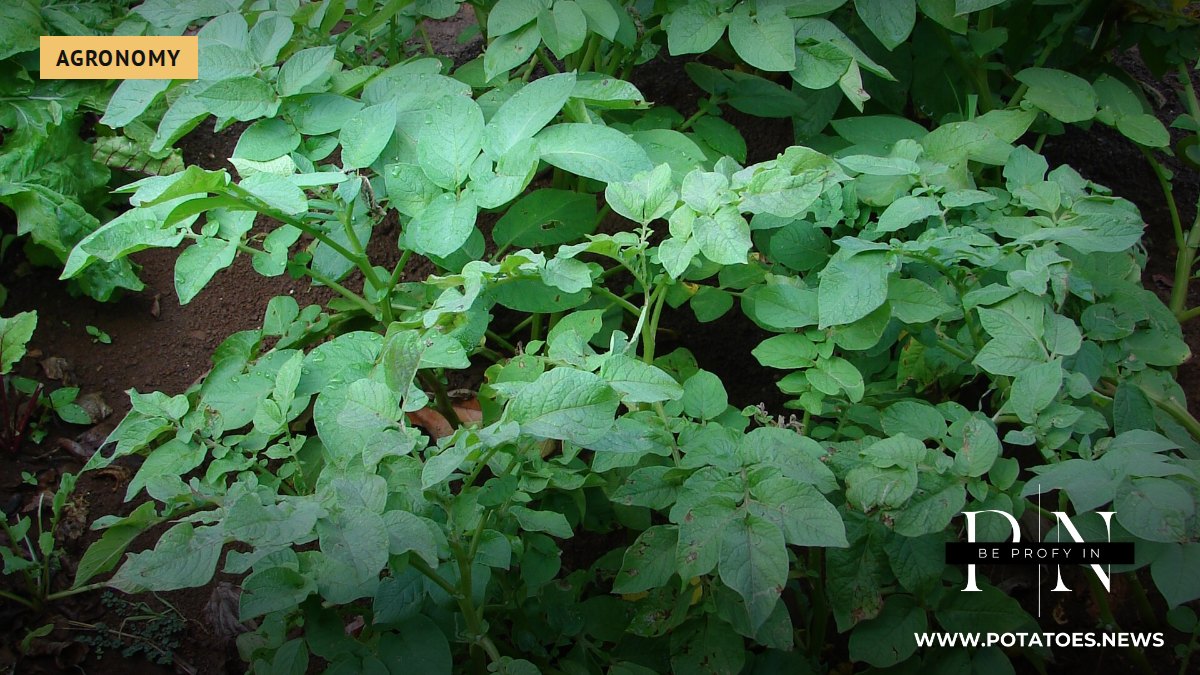
Photo: Potato plants in a garden (illustrative). Forest & Kim Starr / Wikimedia Commons, CC BY 3.0