Global: Keeping Soil at 80–90% of Available Water Supports Potato Tuber Initiation and Bulking
Extension guidance keeps potato soil at 80–90% of available water during tuber initiation and bulking; both shortage and excess cut tuber quality.
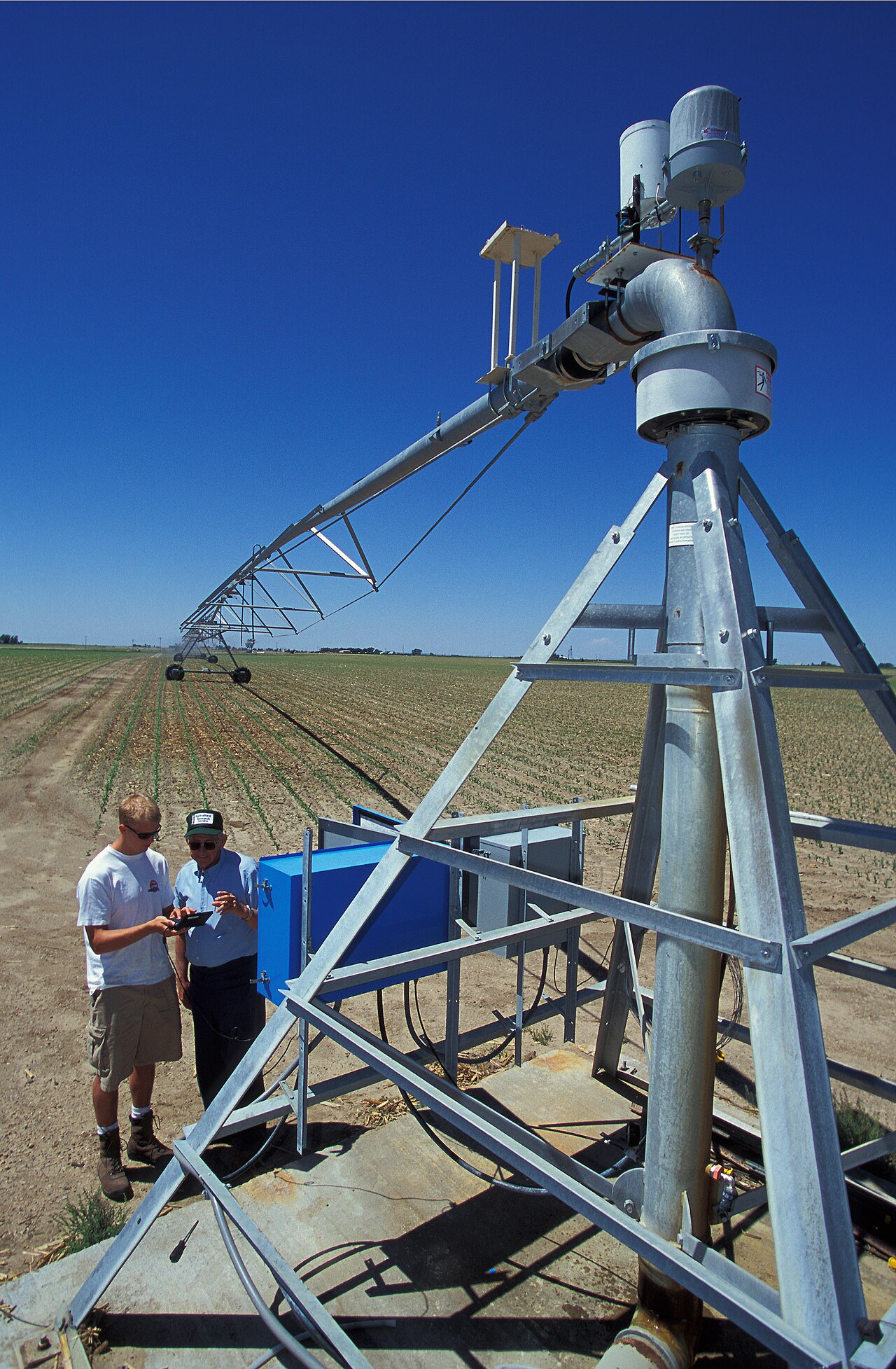
Potato tubers are roughly 76 to 82 percent water, and during bulking that water must come from rain or irrigation at the time when the crop’s evapotranspiration is highest. This makes potatoes sensitive to both water shortage and excess.
Extension guidance sets a narrow target. Utah State University Extension advises keeping soil at 80–90% of available soil water, or 10–20% depletion, during tuber initiation and bulking. Potato Grower gives the same 80–90% range, with about 2 to 2.5 inches (50–64 mm) of rain plus irrigation per week during bulking, and allows moisture to fall to 60–65% before harvest.
Shortage slows tuber growth and stresses the plant. Water deficits dramatically increase tuber malformations and sugar ends, and during bulking can increase early dying and early blight. USU Extension links deficits during bulking to effects on tuber size and shape and to defects including black spot and hollow heart. Deficits also favour common scab, so for scab-prone fields Potato Grower suggests 90–95% at tuber initiation where possible.
Weekdays. Unsubscribe in one click.
Excess water causes different problems. Saturated soil holds less air, creating low-oxygen conditions that favour rot pathogens, and it swells the lenticels, the tuber’s breathing pores, increasing susceptibility to water rots. Excess water during bulking raises the risk of blackleg, late blight and soft rot, and can increase brown center and hollow heart in larger tubers.
Because penalties sit on both sides of the band, scheduling aims to hold moisture within it rather than letting the crop swing between stress and saturation.
Sources: Utah State University Extension; Potato Grower, 2017