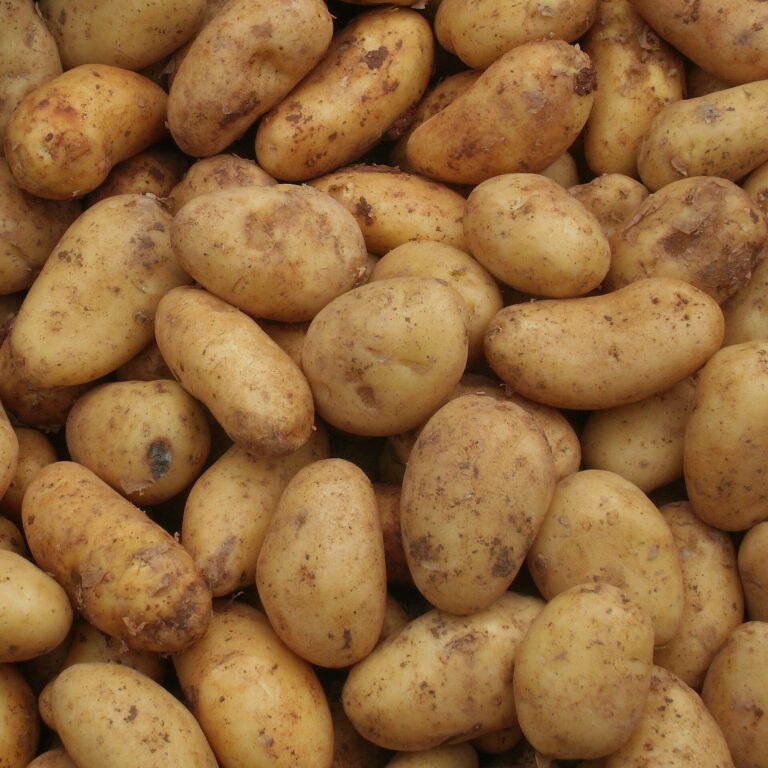
Global Potato Market Analysis: Key Trends, Challenges, and Sector Outlook
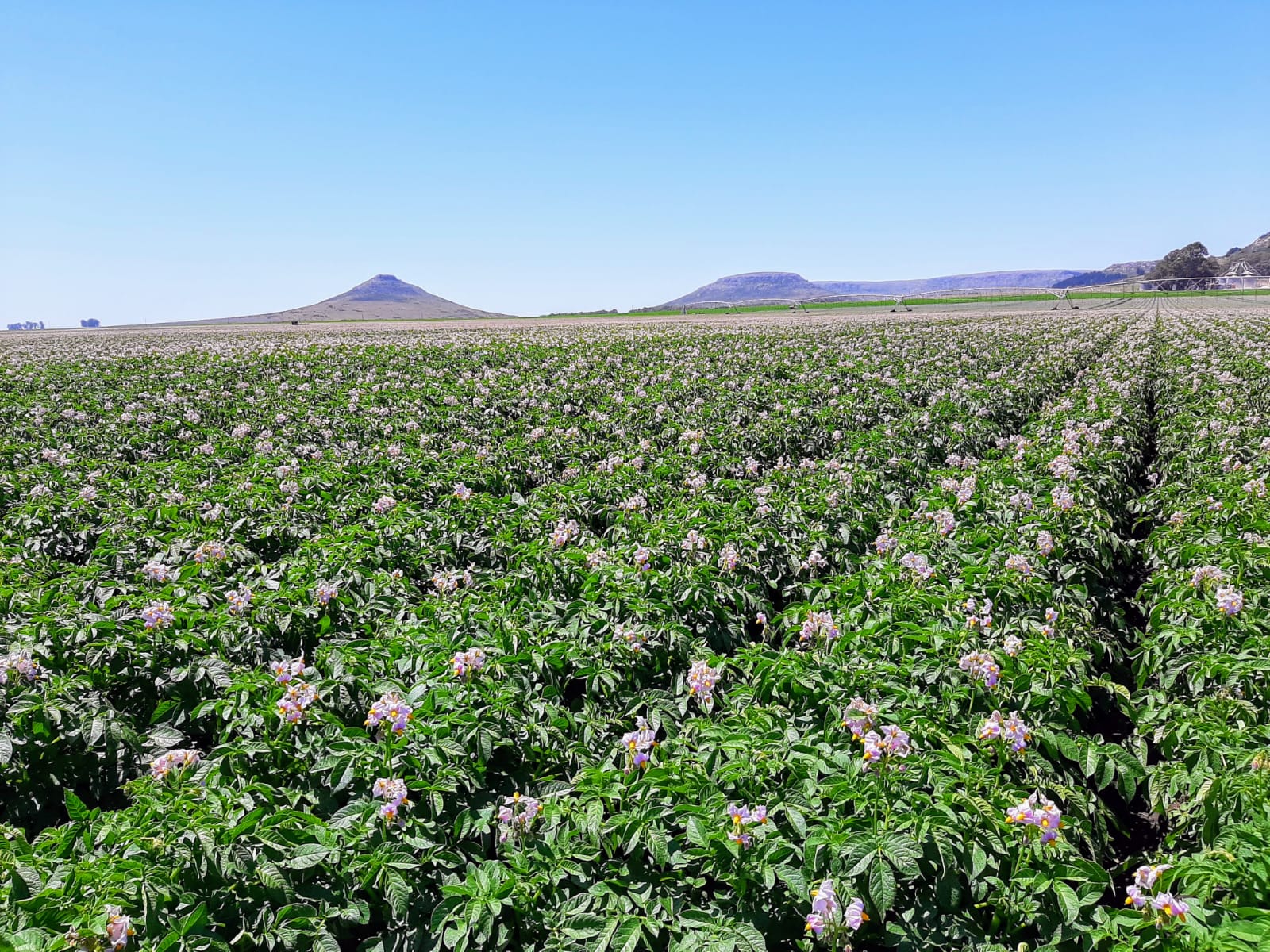
The potato industry in various parts of the globe continues to adapt to changing economic and climate conditions. A review of key developments in the agricultural sector reveals mixed dynamics—ranging from price records in some regions to technological breakthroughs and phytosanitary challenges in others.
The global potato market is influenced by numerous factors, from the effectiveness of government support for smallholders to global climate shifts that alter traditional crop cultivation cycles.
Market Fluctuations and Pricing
The potato price situation across producer countries demonstrates a strong dependence on local conditions:
Weekdays. Unsubscribe in one click.
- Temporary Supply Fluctuations: Shifting weather conditions and regional rainfall frequently cause short-term harvest delays, leading to localized spikes in wholesale prices. However, once harvesting resumes, the market quickly saturates, returning to downward trends.
- Impact of Logistics and Resource Costs: Rising costs for fuel, energy, fertilizers, and crop protection products continue to put pressure on final production costs, forcing farmers to seek ways to optimize expenses.
Phytosanitary Challenges and R&D Activities
Changing climatic conditions trigger the activation of dangerous pests and pathogens, requiring farmers to adopt innovative plant protection approaches:
- Integrated Pest Management (IPM): Moving away from exclusively chemical control methods toward biological products and crop rotation is becoming a top priority for maintaining yields.
- Monitoring and Early Warning: Research institutes are actively deploying predictive models based on meteorological data, enabling precise determination of disease risks and minimizing pesticide application.
- Breeding Resistant Varieties: Breeding potato varieties capable of enduring climate anomalies and demonstrating resistance to key pests remains the main vector for developing breeding programs.
Government Support and Food Security
Producers’ access to certified seed material of the highest quality is a foundational condition for sector sustainability. The experience of agricultural regions shows that state subsidy programs and technical training for small-scale farmers play a key role in ensuring stable production volumes and maintaining national food security.