Global: Packaging Innovation Targets Fresh Potato Shelf Life and Plastic Reduction
Retailers push pre-pack potatoes toward paper-based and perforated formats that balance shelf life, visibility and plastic-reduction commitments.
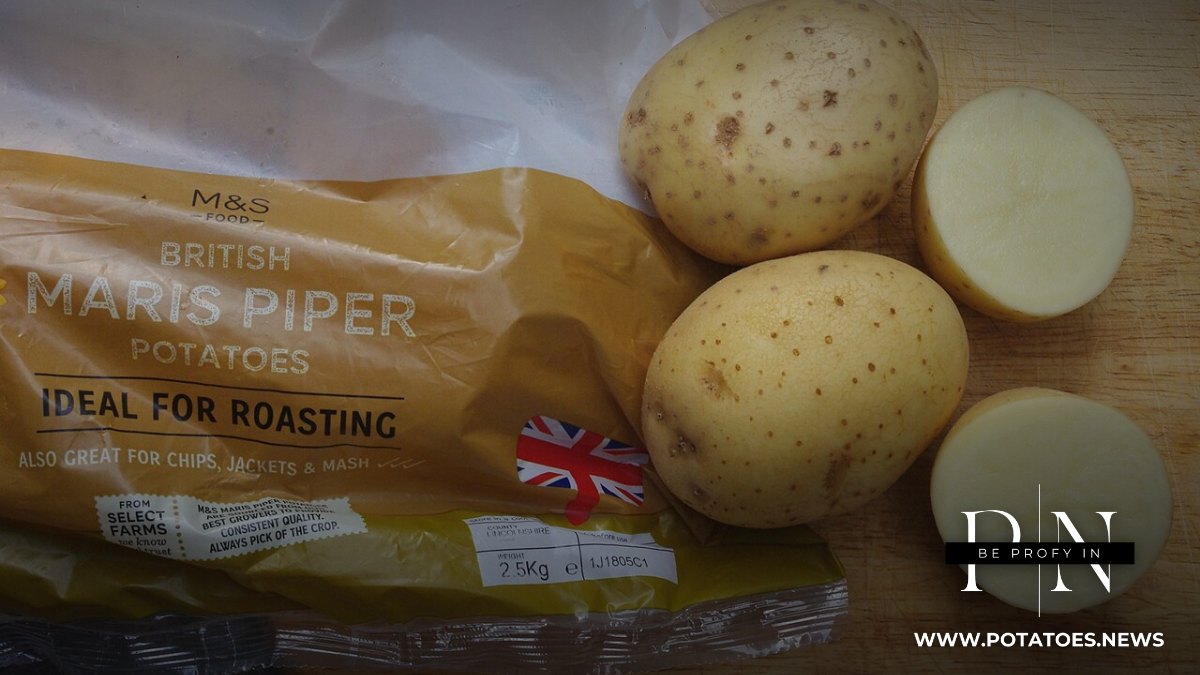
Fresh potato packaging is being redesigned under twin pressures: retailer commitments to cut plastic and consumer expectations for product visibility and shelf life.
Light exposure remains the enemy — greening from chlorophyll development and associated glycoalkaloid increases make tubers unsaleable — so paper-based and opaque formats must manage light without hiding the product entirely, a balance that is hard to strike: Norwegian research found that none of seven paper or plastic packs tested blocked enough light, and some retailers have removed windows from paper bags altogether.
Modified-atmosphere films with tuned perforations extend shelf life for washed and baby potatoes, the fastest-growing premium segment, while bulk nets lose share in markets where retailers push portioned formats.
Weekdays. Unsubscribe in one click.
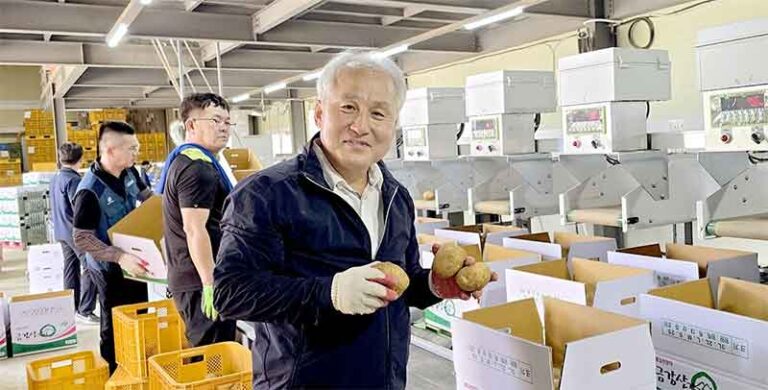
Packhouses report that packaging changeovers are non-trivial investments: new materials run differently on existing lines, and sealing reliability directly affects waste further down the chain.
The commercial logic is clear: packaging that adds even days of shelf life reduces store-level shrink, which is why packers and retailers keep testing new formats.
Sources: Nofima, Jan 2025; Fresh Produce Journal; PotatoPro, 2021