Global: EU Starch Industry’s 6 Million m³ of Potato Juice Yields Protein Worth Recovering
Reviews in Applied Sciences and earlier research show that potato fruit juice holds only 1–2% protein, but EU starch plants produce about 6 million cubic metres of it a year.
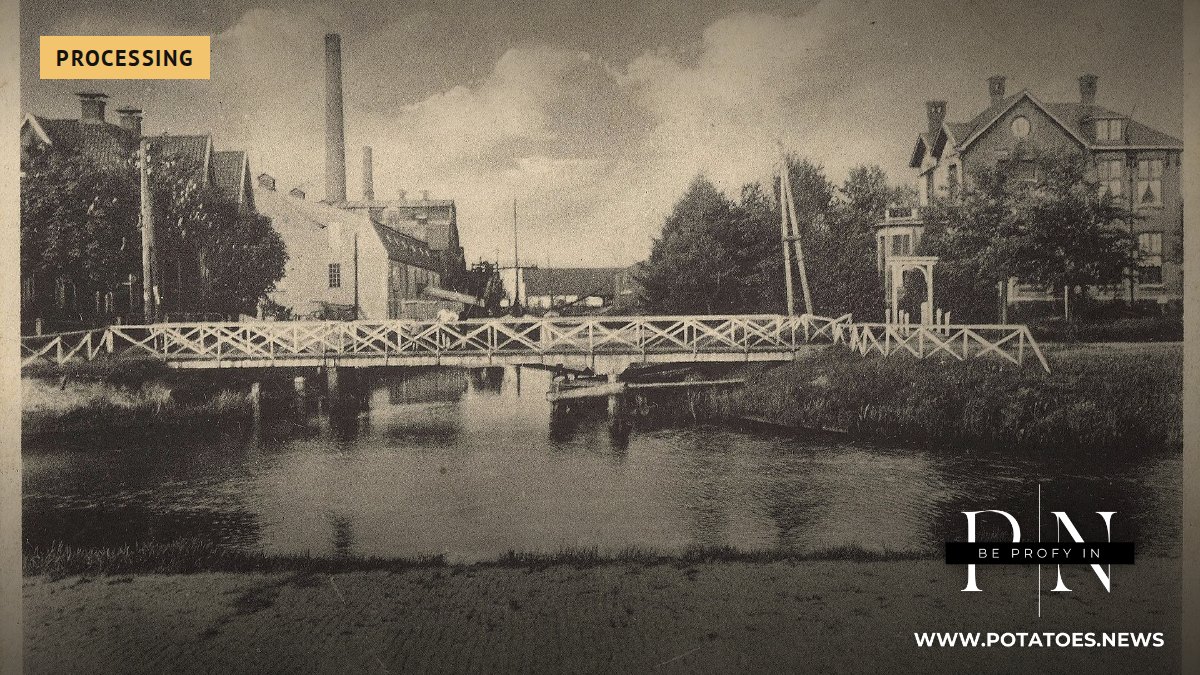
When potatoes are ground for starch, the starch is washed out and a brown liquid is left behind. This liquid is called potato fruit juice. It is mostly water, but it carries the potato’s protein, and the starch industry is turning more of it into a product for feed and food.
The numbers start small. A 2021 review by Anna Pęksa and Joanna Miedzianka in Applied Sciences says potato fruit juice contains only about 1–2% crude protein. An earlier review by Løkra and Strætkvern, Industrial Proteins from Potato Juice, gives the same 1–2% range. The volume, however, is large. According to Pęksa and Miedzianka, the European Union processes around 8 million tonnes of potatoes for starch, which gives around 6 million cubic metres of fruit juice. In 2017, Europe produced 63,900 tonnes of feed-grade potato protein.
Two protein groups dominate. Patatin makes up 35–40% of the soluble protein in both reviews. Protease inhibitors account for 30–50% in the 2021 review and 25–50% in the earlier one. They differ in size and in heat stability: patatin denatures at 50–55°C, protease inhibitors at 55–70°C, according to the 2021 review.
Weekdays. Unsubscribe in one click.
The method of recovery decides the market. The classic route is heat and acid coagulation. The 2021 review reports recovery of over 85% with thermal coagulation. PotatoPro gives 85–95% for heat-acid methods and 63–75% for enzymatic extraction. But, as the Løkra review notes, acid precipitation destroys the functional properties of the protein. The result is mainly used as animal feed. To make food-grade protein, processors use milder methods such as expanded bed adsorption, which the Løkra review describes as a way to keep functionality and remove glycoalkaloids and phenolic compounds. These compounds long limited potato protein in food.
Quality is a selling point. According to PotatoPro, potato protein isolate reaches a PDCAAS score of 0.92–1.00, which places it close to animal proteins. PotatoPro names Avebe, Tereos, Roquette and KMC among producers.
Why it matters
For starch processors, protein turns a waste stream into a second product. For growers of starch potatoes, the value of the tuber is no longer only its starch content. As demand for plant proteins grows, the margin of starch plants may depend more on how much native, food-grade protein they can recover from the same tonne of potatoes.
Photo: Potato starch factory at Veelerveen, Netherlands, 1935 (illustrative). Uitgever Vlagtwedder Boekhandel / Wikimedia Commons, CC BY-SA 4.0