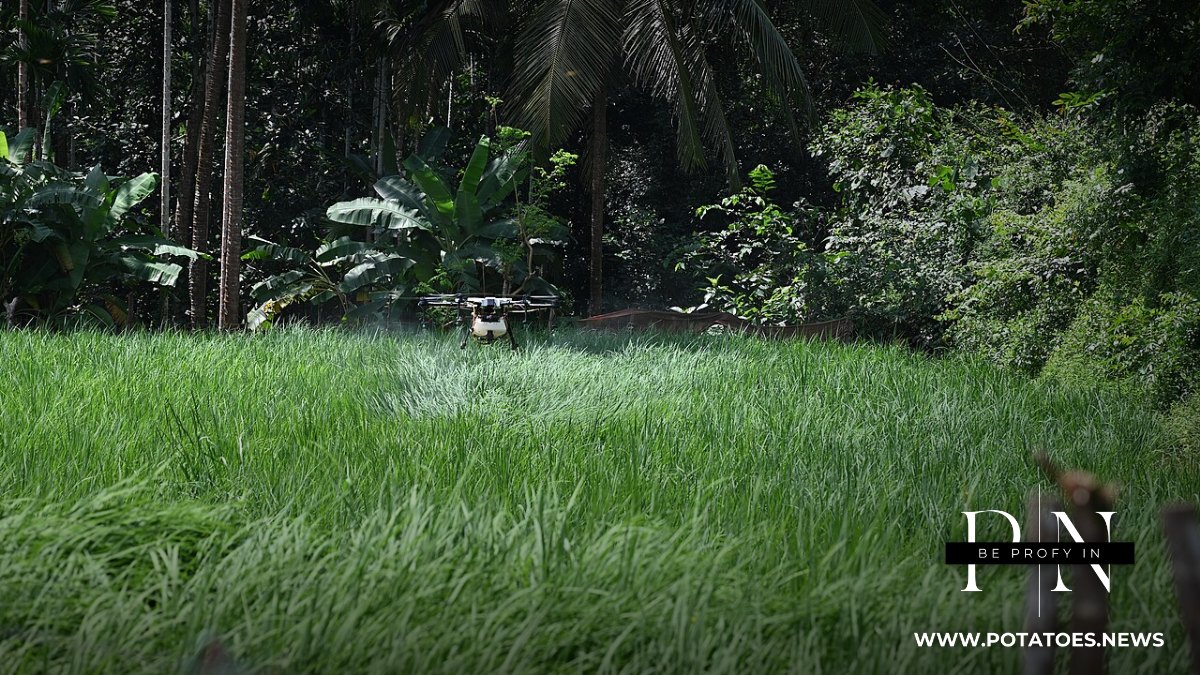
Spray drones have carved out a practical niche in potato production: spot-treating blight hot spots, desiccating field corners and covering wet ground where boom sprayers cannot travel without compaction or crop damage.
Payload limits — up to about 40 litres on current flagship models — restrict drones to targeted work rather than whole-field programs, but precisely targeted application is where they excel: treating a two-hectare blight focus within hours of detection instead of waiting for a contractor.
Regulation is catching up slowly. The EU’s general ban on aerial spraying is being relaxed for drones but is not yet lifted, while France and Italy allow limited or trial use and the UK has issued trial permits, including one for potatoes.
Weekdays. Unsubscribe in one click.
Costs have fallen as Chinese and domestic manufacturers compete; service-provider models let farms access drone application without owning equipment, mirroring the contractor structure familiar from ground spraying.
The next frontier is integration with scouting data: blight mapping from satellite or drone imagery feeding prescription maps directly to spray drones, closing the loop from detection to treatment within a single day.
Sources: DroneXL, 30 Apr 2026; Eunews, 27 May 2026; British Potato, 2024