Global: Aeroponics Gives Up to 1,168 Potato Minitubers per m², About Three Times Conventional Beds
Trials in Turkey and Serbia and a CIP project in Rwanda show that aeroponics produces several times more seed potato minitubers than pots or beds. Results depend strongly on variety and plant density.
Minitubers are the first generation of seed potatoes grown from clean laboratory plantlets. The more minitubers each plantlet gives, the fewer field generations are needed to reach commercial seed volumes. Aeroponics, where roots hang in the air and receive a nutrient mist, is one way to raise this rate. Three sources give comparable numbers.
In Turkey, Mehmet Emin Çalışkan and colleagues compared aeroponics with a conventional greenhouse system for the varieties Hermes, Sante and Marabel. They tested densities of 25, 50, 100 and 200 plants per m². The study was published in Potato Research in 2020.
- In the first cycle, the conventional system gave 290 (Hermes), 364 (Sante) and 334 (Marabel) tubers per m².
- Aeroponics gave 787, 1,021 and 1,168 tubers per m² for the same varieties.
- Tuber yield in aeroponics was 5.9 to 9.3 kg per m², about twice the conventional system.
- Tubers per plant fell as density rose: 19.85 at 25 plants per m² and 13.20 at 200 plants per m².
In Serbia, a team led by Zoran Broćić tested aeroponics with different varieties and plant origins. Their paper in Horticulturae (2022) reports 53.8 minitubers per plant for Kennebec and 54.5 for Agria from in vitro plantlets. Plants grown from minitubers gave fewer: 28.6 for Kennebec and 39.1 for Agria.
Weekdays. Unsubscribe in one click.
The International Potato Center (CIP) reports field-scale results from Rwanda. Aeroponics there can give more than 100 minitubers per plant, against 5 to 10 in the conventional greenhouse method. At the RAB Musanze station, 3,000 plantlets in aeroponics produced 150,000 minitubers, while 12,000 plants in the conventional system produced 72,000. CIP introduced the technology in Rwanda in 2009. A private screenhouse, SPF-Ikigega, now produces 540,000 minitubers per season and over 1 million a year.
Why it matters
Seed is one of the largest costs and risks in potato production, especially where certified seed is scarce. A higher multiplication rate at the start shortens the seed chain. Fewer field generations mean fewer chances for virus and bacterial infection.
The data also show limits. Output per plant changes several times with variety, plant origin and density. Aeroponic systems need stable power, clean water and trained staff. Seed programmes should test their own varieties before they size an investment on headline numbers.
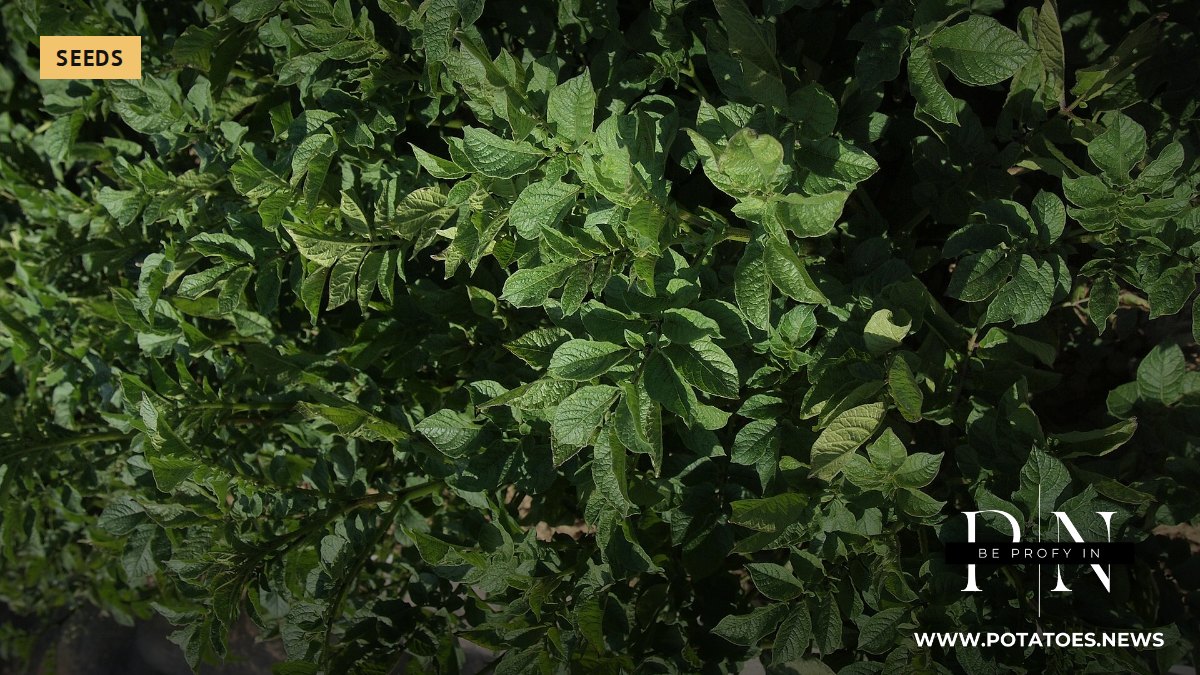
Photo: Small potato tubers (illustrative). Ordercrazy / Wikimedia Commons, CC0