Global: Acrylamide Management Starts in the Field, Not the Fryer
Reducing sugars set at harvest and in storage determine acrylamide risk at frying; variety choice, harvest maturity and storage temperature do most of the work.
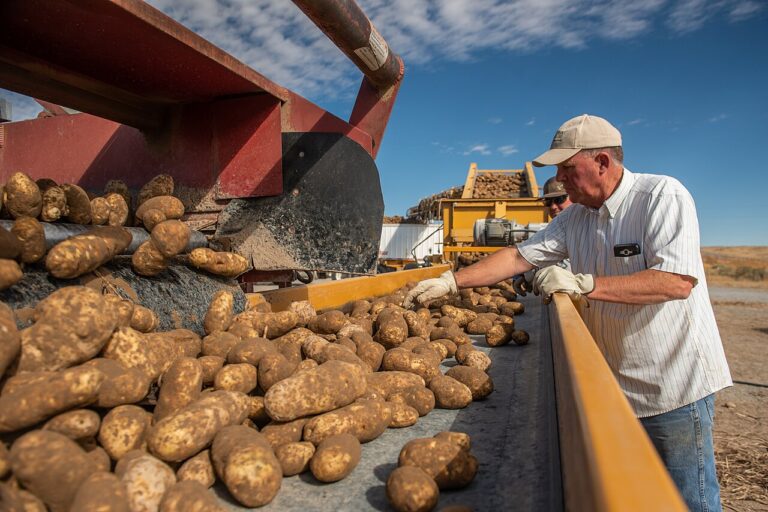
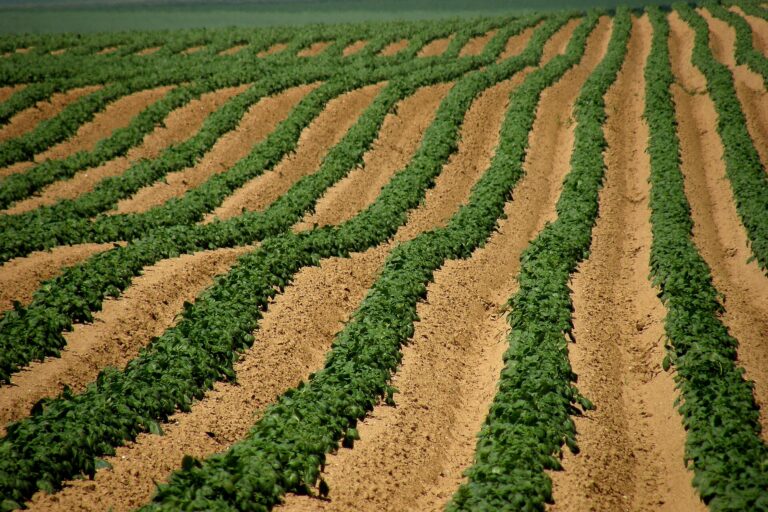
Acrylamide formation in fried potato products is largely predetermined before potatoes reach the factory: variety genetics, harvest maturity and storage temperature control the reducing sugar levels that drive acrylamide during high-temperature cooking.
Storage below recommended thresholds — historically used to suppress sprouting — triggers cold sweetening that elevates reducing sugars; modern sprout control alternatives allow warmer storage that keeps sugars low.
Reconditioning, warming tubers before processing to reconvert sugars, recovers borderline lots: in a 2024 trial, reconditioning Markies from 4°C to 15°C significantly lowered glucose and cut acrylamide by 75%, rescuing raw material that would otherwise fail specification.
Weekdays. Unsubscribe in one click.
Processors increasingly measure incoming sugars and manage blends accordingly, while breeders deliver varieties with inherently lower reducing-sugar tendencies — including gene-edited lines designed specifically for reduced acrylamide potential.
Regulatory pressure keeps the issue current: EU benchmark levels — 500 µg/kg for French fries and 750 µg/kg for crisps, performance indicators rather than legal limits — and growing scrutiny elsewhere mean acrylamide management remains a permanent feature of processing potato contracts rather than a solved problem.
Sources: Food Research International, 2024 (AGRIS); Food Standards Scotland, 2025; Labor Veritas, 2020; Clasen et al., Plant Biotechnology Journal, 2016