
From Pipes to Plants: How the “MORF-1” Aquatic Drone Optimizes Farm Irrigation
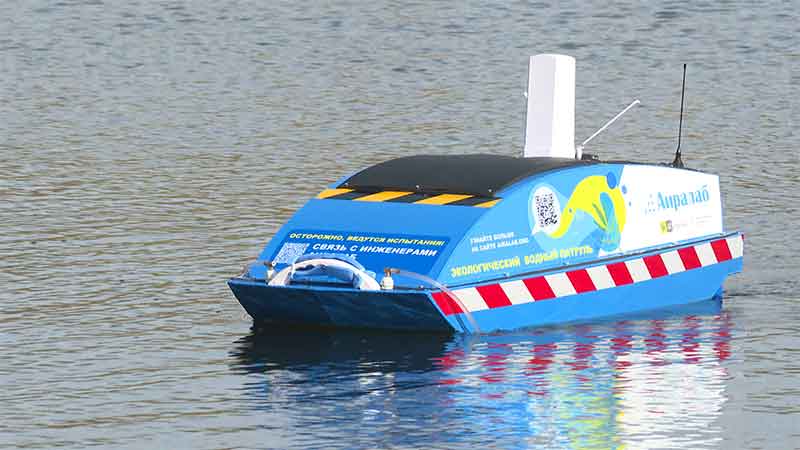
While most agricultural drones scan crops from above, the Russian-developed aquatic unmanned vehicle “MORF-1” takes a radically different approach — it dives into the very arteries of farm irrigation: delivery canals, on-farm distribution ditches, and drainage networks. Equipped with high-precision sonars, turbidity sensors, and thermal cameras, the MORF-1 autonomously patrols water-delivery channels to detect silting, debris blockages, and structural leaks before they ever affect field moisture levels. For a farmer, this means that instead of guessing why the far end of the field is drying out, the drone pinpoints exactly where water is being lost or slowed — whether due to a collapsed pipe wall, accumulated sediment, or an illegally tapped outlet. By transmitting this data in real time to a field-management dashboard, the MORF-1 transforms a passive water-supply network into an actively monitored, responsive system.
Results and Implications for Irrigated Agriculture:
The true value of the MORF-1 emerges during peak growing seasons, when every hour of delayed irrigation can reduce yields. By identifying bottlenecks and inefficiencies early, the drone allows farm operators to schedule targeted dredging, repair minor cracks before they burst, and redistribute water flows more equitably across different crop zones. Field trials suggest that such proactive canal maintenance, guided by MORF-1 surveys, can cut overall water losses in conveyance systems by 12–15%, directly translating into more reliable watering schedules for soybeans, corn, and wheat. Moreover, the drone reduces the need for manual walk-along inspections, saving labour costs and enabling daily rather than monthly channel checks. When paired with soil-moisture sensors and weather forecasts, the MORF-1 becomes a cornerstone of precision irrigation — ensuring that expensive, treated water reaches the root zone, not the roadside ditch. For arid farming regions, this aquatic drone offers a simple but powerful equation: healthier canals mean healthier crops and lower water bills per hectare.