
From “Coal Dregs” to “Gold Nuggets”: How China’s Potato Belt is Being Transformed by Cross-Regional Cooperation
Key takeaways
- XiJi County, Ningxia, transformed over three decades
- Yields were under 800 kg per acre thirty years ago
- Over 550,000 acres now under potatoes
- Output value of 1.8 billion yuan
- Starch, eel feed and frozen fries produced locally
Why it matters
- For farmers
- Original seed cultivation is named as the technical step that moved both quality and price.
- For processors
- Eel feed and aquaculture supply is an unusual outlet — starch demand here is industrial, not food.
- For investors
- Fujian capital plus Ningxia raw material is the structure; the article presents it as a replicable model.
60-second summary
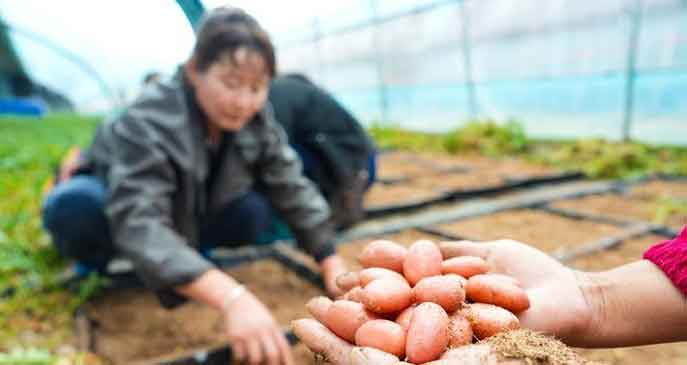
XiJi County in mountainous Ningxia has moved from subsistence potato growing to an integrated industry. Three decades ago average yield was under 800 kilograms per acre and the crop was a survival staple; today, through the “Min-Ning” partnership between Fujian and Ningxia, the county has a chain covering breeding, storage, processing and sales, with over 550,000 acres of potatoes generating an output value of 1.8 billion yuan. Former coal-trading yards are now greenhouses, and processing plants turn local tubers into refined starch, eel feed and premium frozen fries supplied to seafood and aquaculture companies nationally. The article follows veteran Fujian official Huang Deqiang and villagers such as Zhang Huiling, who left precarious construction work for a stable 4,000-yuan monthly wage sorting seed potatoes in a greenhouse. Local entrepreneurs describe the shift as growing potatoes to thrive rather than to survive, with original seed cultivation raising quality and value.
Tucked away in the mountainous XiJi County of Ningxia, a quiet agricultural revolution is unfolding. When asked about the region’s “three treasures,” local officials once jokingly answered, “Potatoes, potatoes, potatoes”—a reply that masked a deeper reality. Through the lens of veteran Fujian official Huang Deqiang, this article traces the remarkable journey of XiJi from a coal-stained, low-yield subsistence farming area to a modern industrial powerhouse. Three decades ago, the average potato yield was under 800 kilograms per acre, and the crop was merely a survival staple. Today, thanks to the enduring “Min-Ning” partnership—a collaboration between Fujian and Ningxia provinces—the county boasts a fully integrated industrial chain covering breeding, storage, processing, and sales, with over 550,000 acres of potatoes generating an output value of 1.8 billion yuan. The transformation is tangible: former coal-trading yards are now sprawling greenhouses, and cutting-edge processing plants turn local tubers into refined starch, eel feed, and even premium frozen fries, proving that the “potato contract” between the two regions has become a golden ticket to prosperity.
Yet the real success lies in the soil of everyday life. The article vividly portrays how this industrial upgrade has trickled down to villagers like Zhang Huiling, who traded precarious construction work for a stable 4,000-yuan monthly salary sorting seed potatoes in a greenhouse—money she directly channels into her child’s education. Local entrepreneurs echo this sentiment, noting that while their parents grew potatoes to survive, their generation is growing them to thrive, with advanced techniques like original seed cultivation boosting both quality and market value. The narrative underscores a powerful synergy: Fujian’s capital and processing expertise meet XiJi’s high-starch, high-quality potatoes, creating a resilient value chain that now supplies major seafood and aquaculture companies across the country. More than an agricultural success story, this is a blueprint for how sustained, cross-provincial cooperation can turn a region’s humble staple into a source of pride, employment, and sustainable rural development.
Global Potato Brief
Top five stories, prices, disease alerts and events. Weekday mornings, no advertising.
Sources
- Основа текста — рассказ чиновника Huang Deqiang и местных жителей; материал построен вокруг госпрограммы «Min-Ning», независимых источников цифр не названо
Linked in this material
- Country
- China
Related stories

USA: EPA Registers Hybrid Soil Insecticide Combining Bifenthrin and a Biological
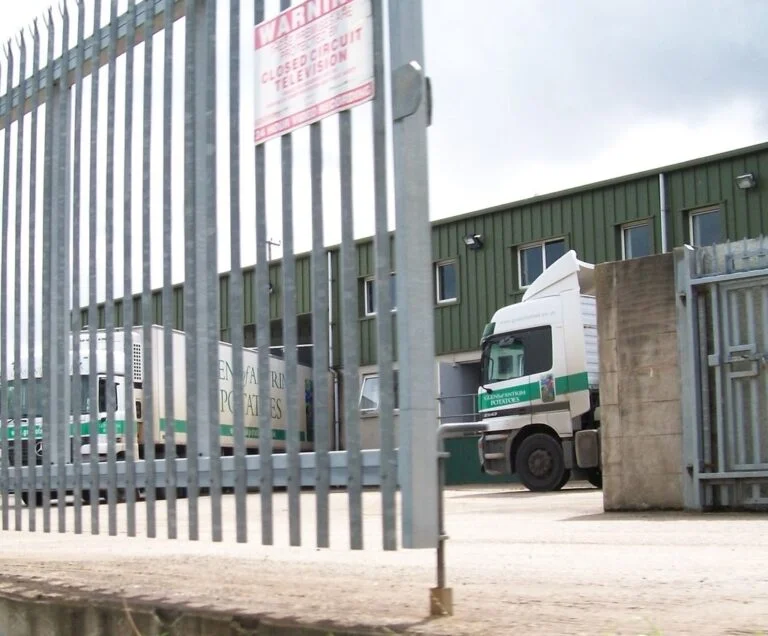
Northern Ireland: Glens of Antrim Potatoes Enters Administration, 95 Jobs Lost


