France: Seven Supermarket Chains Accept Shorter Fries as Harvest Forecast Falls 2 Million Tonnes Below 2025
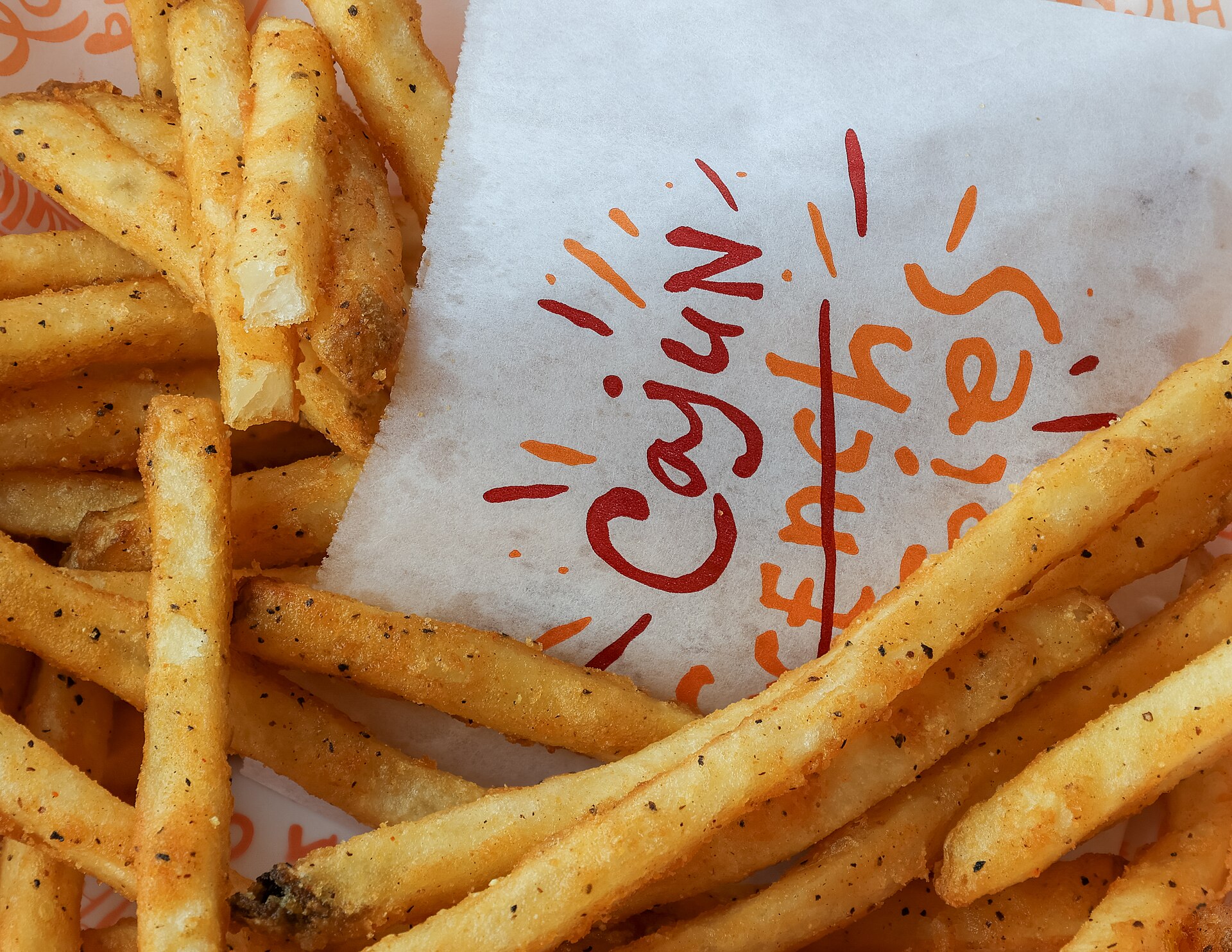
France’s fry compromise is holding — unevenly. With large tubers in short supply after a drought-affected season, the industry lowered the minimum size requirement this campaign from 50 to 45 millimetres, a move that lets processors use a bigger share of the harvest but inevitably produces shorter fries. Seven supermarket chains have now informed the Comité Nacional Interprofesional de la Papa (CNIPT) that they will accept products meeting adjusted specifications this season, Argenpapa reports, citing Boerenbusiness.
Others are holding out. Some companies and brands still resist stocking shorter fries, even though the size change does not affect the internal quality or taste of the product. The standoff leaves processors with a patchwork of acceptance: a product that is technically identical in everything but length can pass into seven chains’ shelves and be rejected next door.
The underlying numbers explain the industry’s urgency. The CNIPT and the UNPT, the national growers’ union, estimate average yield at 37.9 tonnes per hectare — roughly 7.5 tonnes below the ten-year average. The French harvest is expected to come in close to 2 million tonnes below 2025. Agreste, the agriculture ministry’s statistics service, projects production of potatoes for consumption at 6.54 million tonnes, down 21.6% year on year. A shortfall of that scale makes rejection of processable raw material — on cosmetic length grounds alone — an expensive luxury for the chain.
Weekdays. Unsubscribe in one click.
The shorter fry is no longer hypothetical. The reduction in fry length is already becoming visible in supermarkets and foodservice chains in France and other European countries, as processors work the 2026 crop into retail and wholesale channels. The sector’s argument is straightforward: temporarily accepting shorter product would make better use of the available harvest, cut waste and avoid rejecting raw material that is perfectly suitable for processing.
For French growers, the acceptance question is existential this year. A crop down by roughly a fifth, with yields 7.5 tonnes per hectare under the decade norm, leaves no room for quality-grade rejections on dimension alone — every tonne turned away at the factory gate is income that cannot be recovered elsewhere in a market where neighboring Germany expects its own harvest to fall by nearly 25%.
There is a wider European lesson in the French experience. Specification flexibility is emerging as the single cheapest climate-adaptation tool the processing chain owns: it costs nothing to implement, requires no new technology, and immediately expands the usable share of a drought-hit crop. The chains that moved early have bought themselves raw-material security for the winter; those still refusing are, in effect, betting that competitors’ shelves will empty first.
The next marker is the holdout group. If the remaining chains and brands fold as the season’s supply reality bites, the 45-millimetre campaign will be remembered as a successful industry-wide adaptation; if they don’t, French processors will spend the winter arbitraging specifications between customers — with the shortest tubers flowing to the most flexible shelves. Either way, the consumer will be eating shorter fries this winter. The only question is whose logo is on the bag.
Source: Argenpapa / Boerenbusiness — CNIPT, UNPT, Agreste data