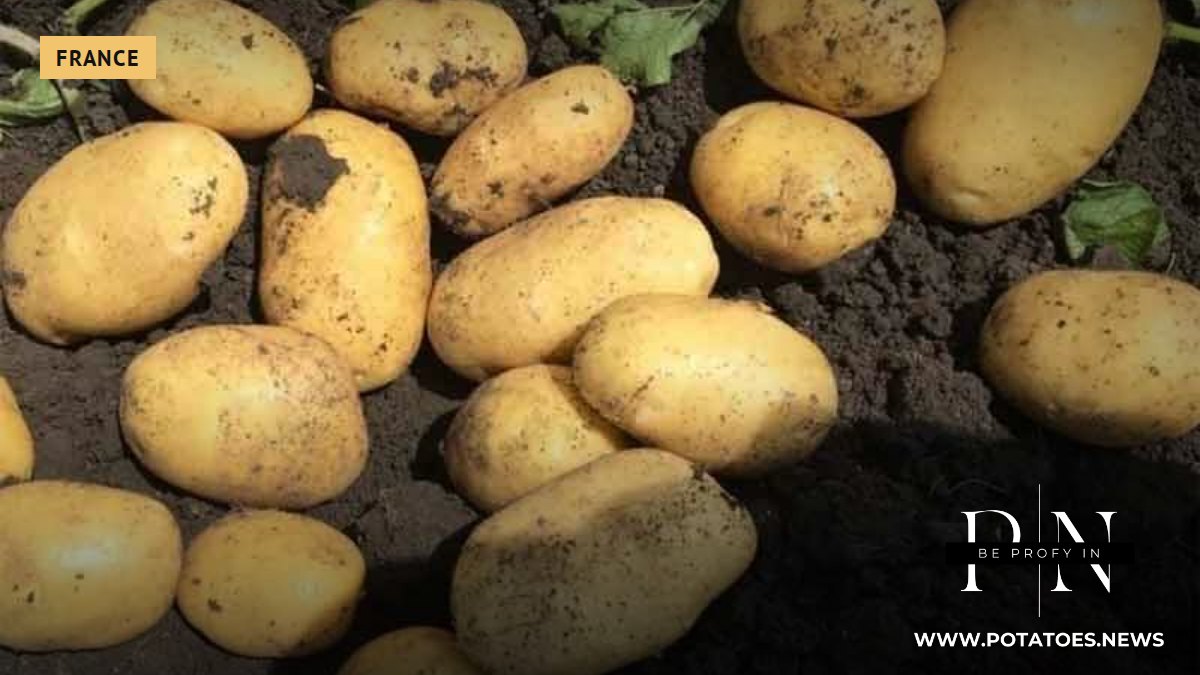
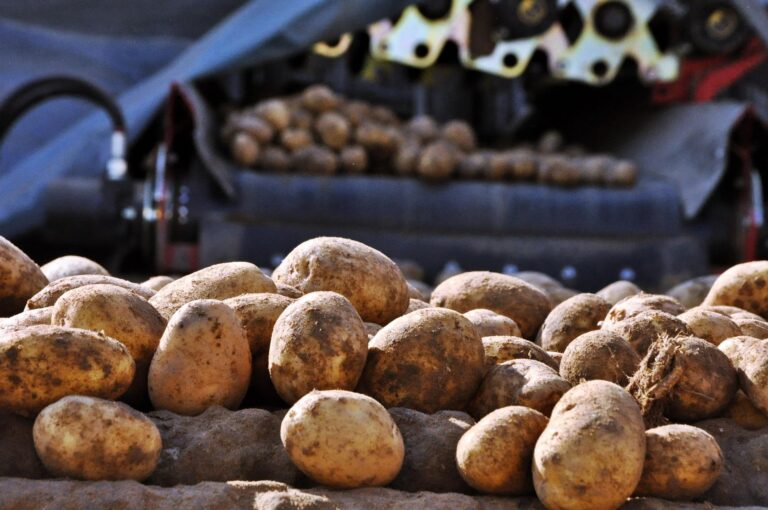
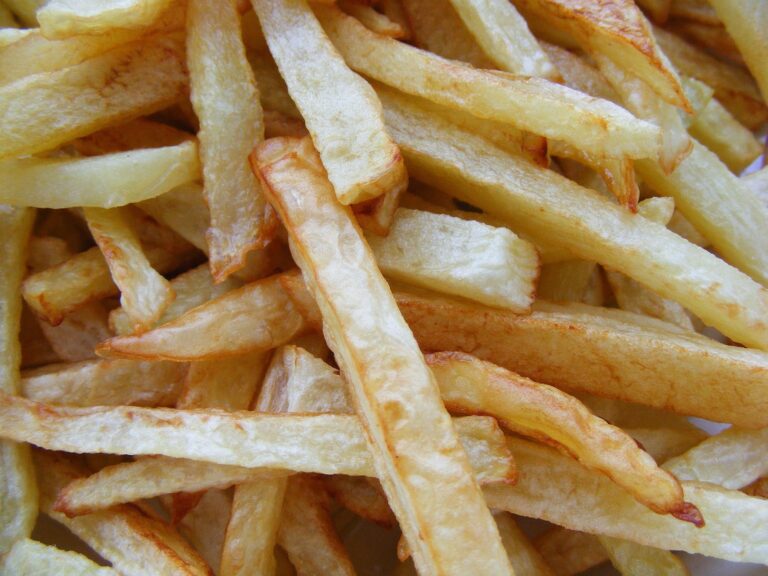
France’s potato sector is responding to a season of extreme weather and structural adjustment with major investments in storage infrastructure and processing capacity. In Normandy, the Creully cooperative inaugurated a new 10,000-tonne refrigerated storage facility in September 2026, representing an €8 million investment. The site, described as unique in the region, features two reception lines — one dedicated to seed potatoes with a treatment table, the other to processing potatoes — along with eight refrigerated cells, 2,000 square meters of solar panels, and battery storage that makes the facility a net electricity exporter. The cooperative has secured outlets with northern French trader Wecxteen, directing 90% of its processing potatoes to the crisps market for manufacturer Brets, with the remainder supplying the French fry sector. The investment reflects a strategic pivot toward processing crops following the closure of the Cagny sugar factory, as growers seek new spring cropping alternatives.
The broader context is one of deliberate supply adjustment after a record 2025 crop of 8.6 million tonnes that left the market with a surplus of up to 1.2 million tonnes. For 2026, France reduced its storage potato area by 9.7% to 173,415 hectares, the first significant contraction after several years of expansion. This acreage reduction has coincided with a summer of successive heatwaves that has severely affected yield and quality, particularly on non-irrigated land. According to Top Pom, a producers’ group operating in Champagne-Ardenne, Beauce, and Hauts-de-France, the most pressing concern is storage: “We see particularly severe sprouting, which suggests a season in which storage will be a real challenge for operators”. The heat stress has accelerated tuber dormancy break, complicating the preservation of quality through the winter. Buyers, facing higher prices passed down the chain, are now demanding tighter waste-rate specifications, placing additional pressure on storage operators to deliver a stable product. In response to drought-driven water restrictions, processors have also adapted: crisp manufacturer Brets switched to early-maturing potato varieties that require no blanching, achieving a 21% reduction in water consumption despite a 50% higher raw material cost.