Floods destroy over 80% of potato crop on Crete’s Lasithi Plateau as growers demand compensation
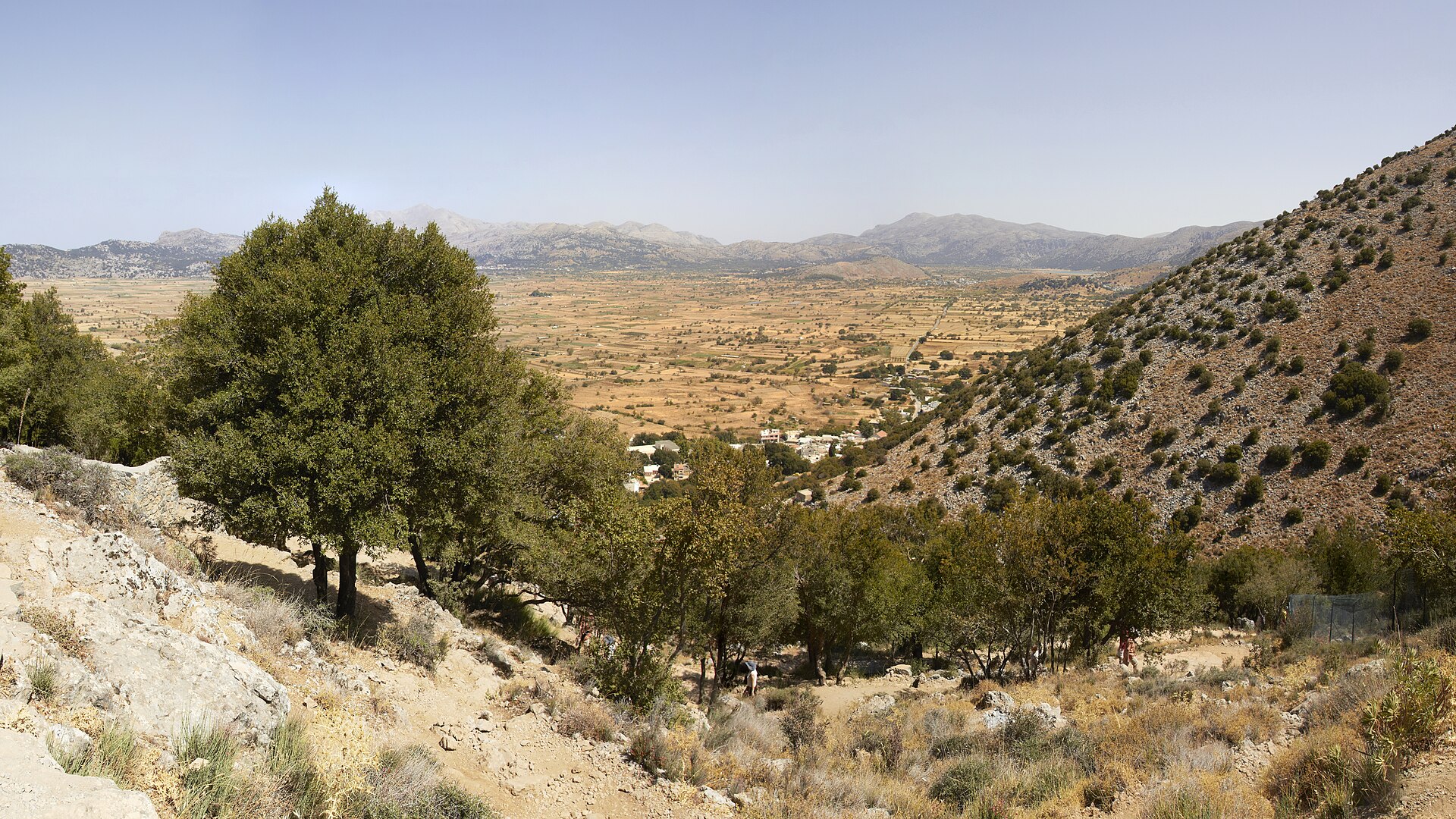
Potato growers on Crete’s Lasithi Plateau lost an estimated 80 per cent or more of their crop after storms dumped nearly 470 millimetres of rain in four days — well over half the area’s typical annual rainfall. Farmers have protested outside the local town hall and are demanding compensation through Greece’s ELGA insurance system, while losses are expected to ripple into autumn vegetable supplies.
Potato growers on Crete’s Lasithi Plateau protested outside the local town hall on 11 October, demanding compensation after flooding caused crop losses estimated at 80 per cent or more, FreshPlaza reports.
The scale of the damage is rooted in an extraordinary rainfall event. Storms between 1 and 4 October brought approximately 440 millimetres of rainfall in just two days, with nearly 470 millimetres recorded over the four-day period. For context, the area’s annual rainfall typically ranges from 700 to 900 millimetres — meaning the plateau absorbed more than half a year’s precipitation in less than a week.
Weekdays. Unsubscribe in one click.
Growers estimate potato losses at 80 per cent or higher, while vegetable crop losses across the plateau are put at approximately 50 per cent. Reports indicate that around 3,000 tons of produce were lost, with nearly 85 per cent of cultivated land affected. The timing could hardly have been worse: fields approaching harvest were submerged, leaving growers facing losses not only on the standing crops but also on the seed, fertiliser and labour already invested in the season.
The farmers’ demands go beyond immediate payouts. They are calling for compensation through ELGA, Greece’s agricultural insurance system, alongside state aid, tax relief, and repairs to damaged agricultural roads and irrigation infrastructure. They are also pressing for flood prevention measures to reduce the risk of a repeat disaster — a demand that reflects long-standing concerns about water management on the plateau, one of Greece’s most important potato-producing areas.
The Greek government has activated the EU’s Copernicus Emergency Management Service to assess the damage from space, and government officials have visited the affected areas. However, growers are still awaiting confirmation of compensation amounts and payment timelines — a delay that is fuelling frustration as the autumn marketing window narrows.
The market impact will extend beyond the plateau itself. The losses are expected to affect regional vegetable supplies during autumn, as Crete supplies domestic Greek markets and also ships some early-season exports. A shortfall of this size on the island comes at a moment when the wider European potato market is already tight following a difficult growing season in north-western Europe.
For the potato trade, the Crete disaster is another data point in a season defined by weather extremes. While north-western Europe grappled with drought and heat that cut yields, the Mediterranean has been hit by violent storm systems. The contrast underscores the growing volatility confronting European potato supply chains — and the increasing importance of insurance schemes and emergency response mechanisms such as ELGA and Copernicus in keeping farm businesses viable after catastrophic events.
The situation on Lasithi will also be watched by seed suppliers and packers planning the 2027 season. A plateau that normally anchors a large share of Greek table potato output now faces hard questions about how quickly fields, drainage and farm finances can recover before the next planting window opens in spring.
Whether compensation arrives quickly enough to keep Lasithi’s growers planting next season is now the key question for the region’s potato sector.