Europe’s potato sector sounds alarm as 86 crop protection actives withdrawn in seven years
Europe's potato sector warns that a shrinking crop-protection toolbox, climate change and rising costs are threatening competitiveness, with 86 active substances withdrawn and only one registered in seven years.
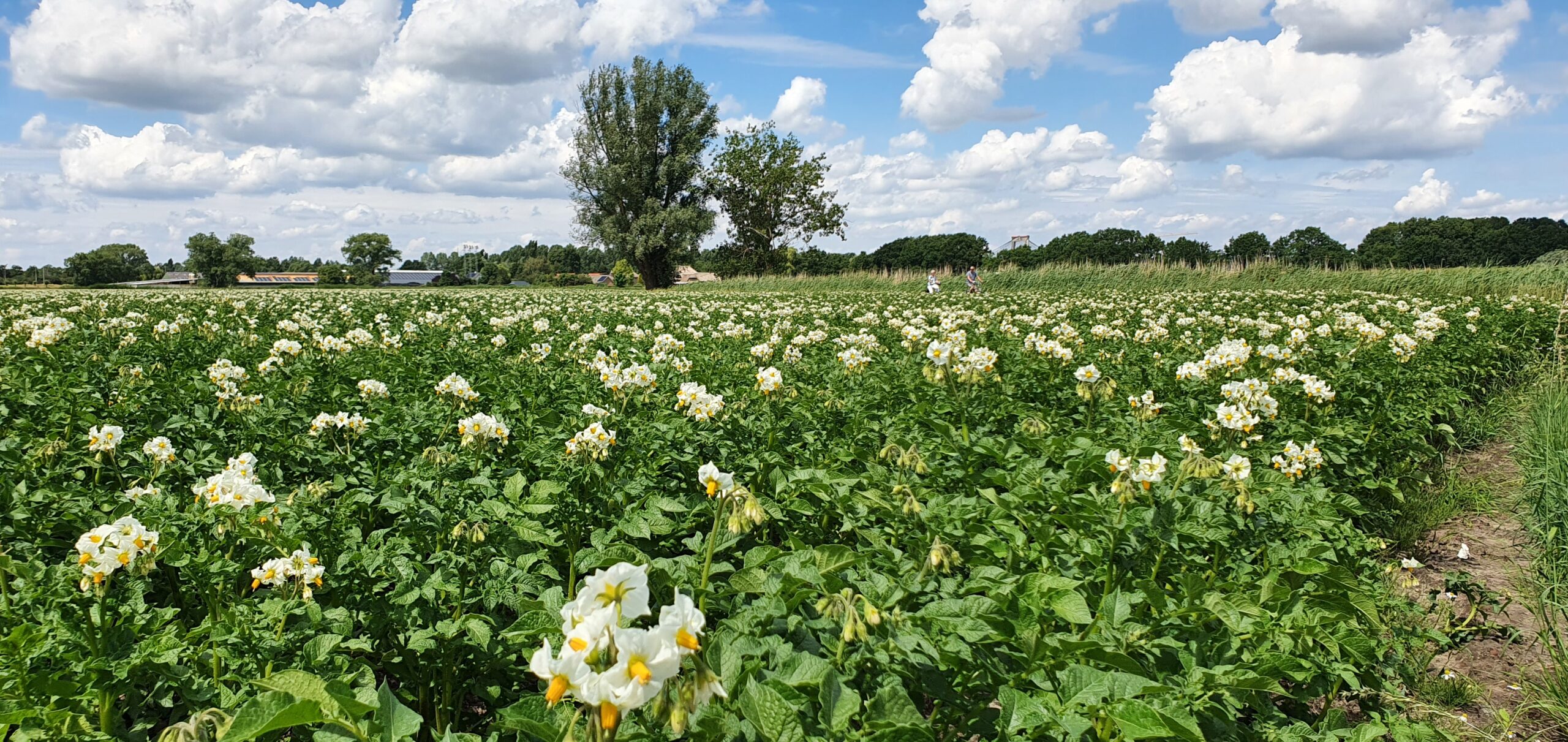
Europe’s potato sector warns that the shrinking crop protection toolbox, climate change, water availability and rising costs are compromising competitiveness and production stability. At the First International Potato Symposium in Madrid, specialists highlighted that the EU has withdrawn 86 conventional active substances over seven years while registering only one new one.
The European potato sector has warned that the reduction of available crop protection tools, climate change, water availability and rising costs are compromising the competitiveness and productive stability of the crop, Argenpapa reports.
The challenges were analysed during the First International Potato Symposium, held in Madrid within the framework of Fruit Attraction 2026, with the participation of nearly 250 European professionals.
Weekdays. Unsubscribe in one click.
One of the most striking figures presented at the meeting: the European Union has withdrawn 86 conventional phytosanitary active substances during the last seven years, while registering only one new one. Specialists pointed out that this reduction limits the alternatives available to control pests and diseases, especially when climatic conditions are favouring the appearance and expansion of new sanitary threats.
Rising temperatures are changing the incidence and virulence of various harmful organisms. Pests that previously did not represent a significant threat are beginning to generate productive problems in different European regions. Participants considered it a priority to combine sanitary surveillance, research, prevention and effective treatments to reduce yield and quality losses — a strategy that becomes harder to execute with each active substance that leaves the market.
The high temperatures recorded during the summer of 2026 reduced tuber size and generated difficulties in conserving the harvest. These problems affect producers, who need to achieve sufficient commercial yields, and also processors, which require raw material with specific characteristics of size, quality and dry matter content.
European potato production reaches around 48 million tonnes, although the sector observes a downward trend in its growth. The processing industry also faces uncertainty over raw material availability, rising costs, international competition and growing sustainability requirements — a combination that is squeezing margins along the entire chain.
The symposium also put numbers on Spain’s particular position in the European potato map. Spain imports more than 1.5 million tonnes of potatoes per year. Close to 80 per cent comes from France, while Portugal is also among its main suppliers. During the meeting it was highlighted that Spain possesses the conditions to market new potatoes during much of the year, thanks to the diversity of producing regions and harvest calendars.
Taking advantage of this advantage requires greater coordination between producers, traders and industries, as well as tools that allow the profitability and health of the crop to be maintained, participants argued.
The 86-to-one ratio between withdrawn and newly registered active substances is likely to become the symposium’s most quoted figure — it captures, in a single comparison, the regulatory squeeze that European potato growers say they feel on the ground. With climate pressure increasing pest and disease volatility, the sector’s message to Brussels is that surveillance and research alone cannot compensate for a toolbox that keeps getting smaller.