
EU: Acrylamide Benchmarks of 500 and 750 µg/kg Head for First Big Review
EU benchmark levels for acrylamide in fries and crisps have applied since 2018. The Commission is now preparing new benchmarks and first maximum levels.
Potato processors in the EU work under acrylamide benchmark levels set in 2017. Commission Regulation (EU) 2017/2158 was adopted on 20 November 2017. It has applied since 11 April 2018.
The benchmark for ready-to-eat French fries is 500 µg/kg. For potato crisps made from fresh potatoes or dough, it is 750 µg/kg. The same 750 µg/kg applies to potato-based crackers.
Benchmarks are not legal limits. They are performance indicators. A business above the benchmark must review its mitigation measures.
Weekdays. Unsubscribe in one click.
Why potatoes are in focus
Acrylamide forms when reducing sugars react with the amino acid asparagine during frying. In 2015 the European Food Safety Authority concluded that acrylamide is a carcinogen. It said dietary exposure is a concern. EFSA also named potato products among the main sources of exposure.
Mitigation starts on the farm
The regulation reaches back to raw material. Operators must use potato varieties with low levels of acrylamide precursors. They must set a maximum reducing sugar content in supply contracts. Potatoes for long-term storage must be kept above 6 °C.
In the factory, blanching lowers acrylamide. Colour guides help staff stop frying at the right shade. For retail and catering, frying temperatures must stay below 175 °C. Larger producers must sample products at least once a year.
What changes next
The rules are under review. According to Eurofins in May 2026, the Commission plans new benchmark levels for more product categories. It also plans maximum levels for some foods for the first time. Both could apply to the same product. Additional potato and snack products are among the categories under discussion.
Industry sent coordinated feedback in March 2026, Eurofins reported. Further consultations were planned. The European Commission said that so far only foods for infants have been discussed for maximum levels.
Why it matters
A maximum level would turn a management target into a legal limit. Lots above it could not be sold. That would raise the value of low-sugar varieties and good storage. The hot 2026 season adds pressure, as heat stress can raise sugars in tubers. Growers, storers and processors share the risk, because acrylamide control starts with the raw potato.
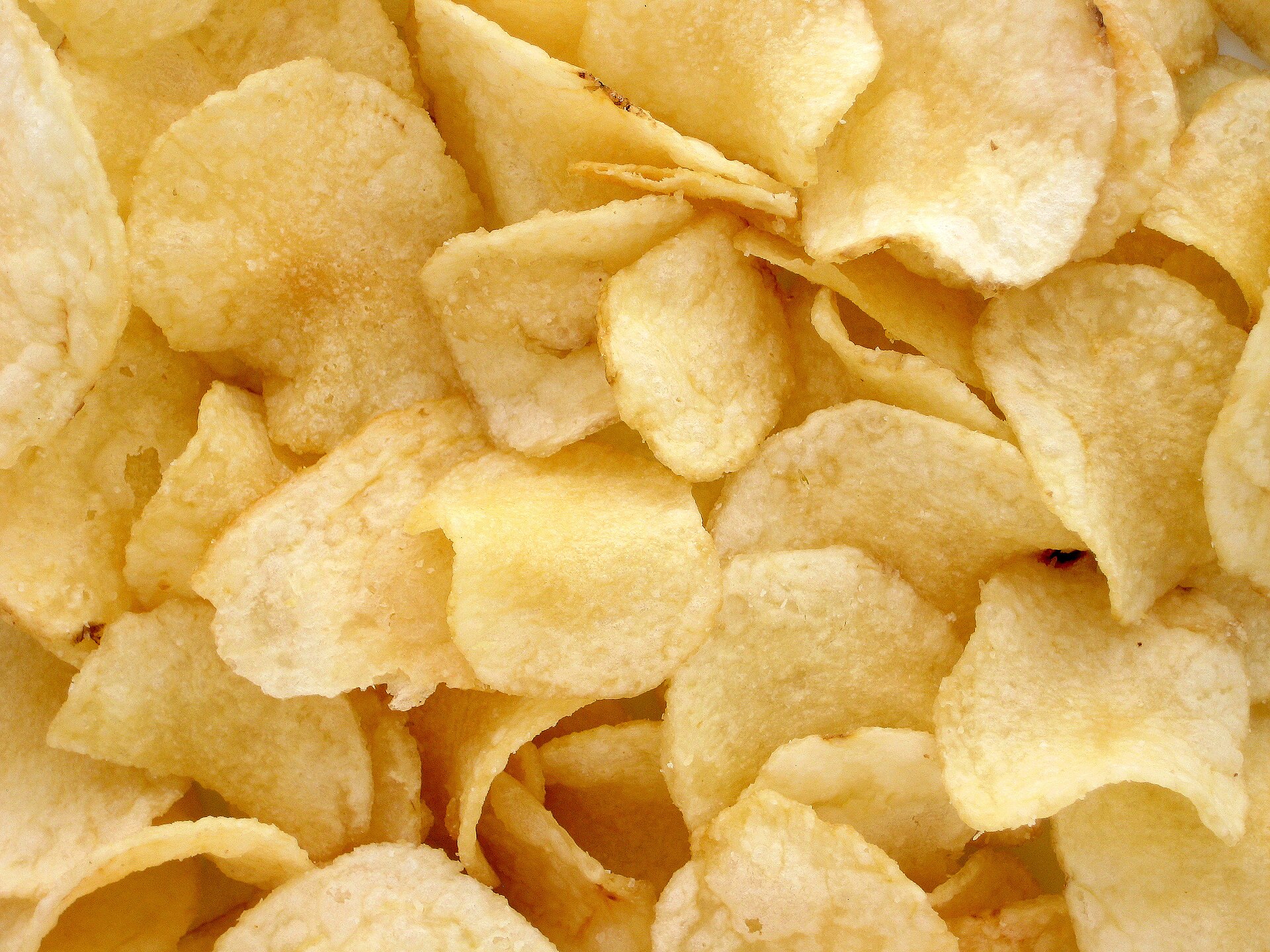
Photo: A pile of kettle-cooked potato crisps (illustrative). Evan-Amos / Wikimedia Commons, Public domain