“Approval procedures should reflect the realities of the French harvest”: CNIPT cuts minimum fry size to 45 mm and presses retailers
Facing a record-low average yield of 37.9 t/ha, France's potato committee CNIPT has exceptionally lowered the minimum size for fresh-fry potatoes from 50 to 45 mm and is pressing retailers to adapt.
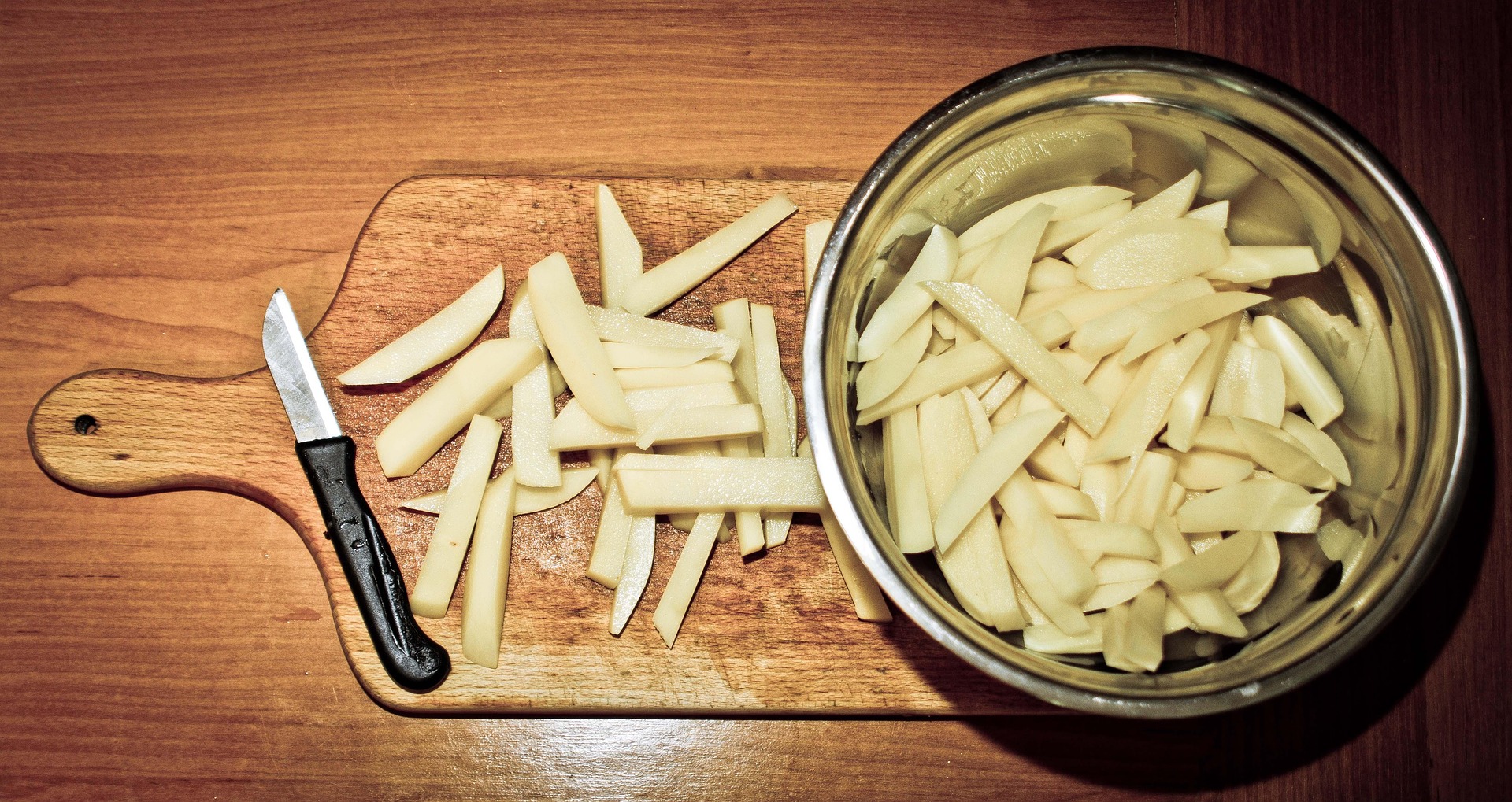
Facing a record-low average yield of 37.9 t/ha and a crop expected to be around 2 million tonnes below last year, France’s CNIPT has exceptionally lowered the minimum size for fresh-fry potatoes from 50 to 45 mm and is calling on retailers to honour their support commitments by adapting purchasing practices.
In light of the drop in yields and the higher proportion of small-sized potatoes in the 2026 French potato harvest, the French Interprofessional Potato Committee (CNIPT) is lowering the minimum size requirement for potatoes intended for fresh fries as an exceptional measure, FreshPlaza reports. CNIPT is also calling on the retail sector to honour its commitments to support the sector by adapting its purchasing practices to the characteristics of this growing season.
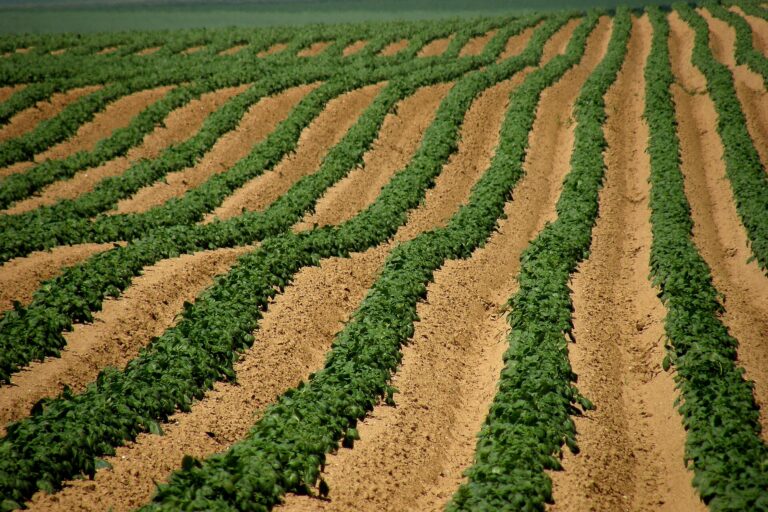
The latest estimates confirm the decline in French potato production in 2026. According to data provided by CNIPT, the area under cultivation has dropped by 11 per cent across the North-Western European Potato Growers region and by nearly 10 per cent in France.
Weekdays. Unsubscribe in one click.
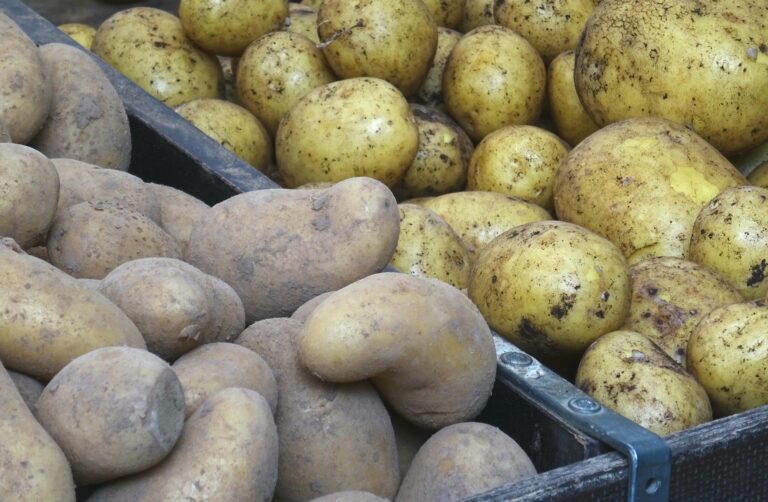
Added to this reduction in area is a decrease in yields linked to this summer’s weather. According to the latest UNPT/CNIPT surveys carried out on 18 September, the average yield stands at 37.9 tonnes per hectare — 7.5 t/ha lower than the average for the last six years. At this stage, this is the lowest average yield on record. French production is expected to be around 2 million tonnes lower than last year. The summer heatwave and drought also hampered tuber growth, resulting in a higher proportion of small-sized potatoes.
To take account of this situation, the CNIPT board of directors decided on 2 September 2026 to adjust the marketing conditions for ware potatoes bearing the “fries” culinary claim for the 2026–2027 season. The minimum size has been exceptionally reduced from 50 to 45 mm. The measure relates solely to tuber size, with no changes to the other criteria ensuring suitability for fresh fries, such as colouring during frying, glucose content and dry matter. “A smaller potato can certainly make an excellent fry,” explains Luc Chatelain, president of CNIPT.
Adjusting the minimum size is not the only response CNIPT is calling for. The trade association is also pressing the retail sector to review its purchasing practices. Since mid-August, several retail chains and representatives have publicly announced their intention to support agricultural sectors facing the consequences of drought and high temperatures. CNIPT is now calling on them to put these commitments into practice.
On the ground, CNIPT notes that purchasing requirements and practices do not yet take sufficient account of the characteristics of the 2026 harvest — and highlights disparities in the level of commitment shown by different retailers. The adjustments requested relate in particular to specifications and grading practices, to better reflect the quantities available and the quality of the harvested potatoes. “Working together means ensuring the available harvest is fully utilised and maintaining a balanced distribution of value throughout the supply chain,” Chatelain explains.
CNIPT also draws attention to the trade-offs operators may face between the French market and exports: according to the trade association, sufficient value must be derived from potatoes on the domestic market to ensure a reliable national supply — a pointed reminder that French growers can sell abroad if retail terms at home stay unrealistic.
The size cut and the retail push together mark the most concrete regulatory response yet to north-western Europe’s drought-hit 2026 crop. With the lowest average yield on record and a harvest shortfall of around 2 million tonnes, France is effectively rewriting its quality rules to match the crop it actually has — and daring supermarkets to follow.