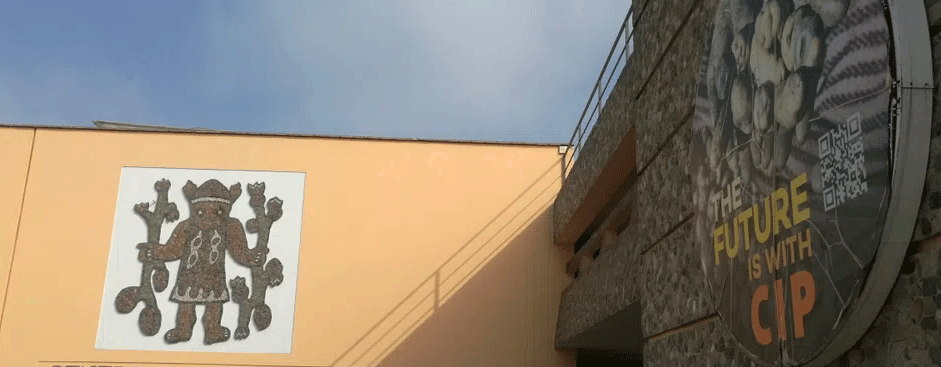
At the International Potato Center in Peru, over 4,000 native potato varieties are preserved as a living genetic bank—some as tubers, others as fragile sprouts in test tubes or cryogenically frozen at -200°C. This collection is a vital resource in the fight against climate change, as rising temperatures, saltwater intrusion, and unpredictable rainfall increasingly threaten potato farming worldwide. Scientist Stef de Haan and his team monitor fields across Latin America, Africa, and Asia, responding to emergencies like soil salinization in Bangladesh’s river deltas. Their mission: to breed new potato varieties that tolerate heat, salinity, and pests, while still yielding abundantly and tasting good. However, developing a new variety takes about a decade—a timeline that feels painfully slow as the climate accelerates.
Farmers in the Andes are already moving their crops higher—up to 4,400 meters, 300 meters above where they grew 40 years ago—but mountain soils eventually turn to rock. In parts of North Africa and Southern Europe, potato farming may soon become impossible as nights no longer cool below 16°C. The stakes are high: the Irish famine of the 1840s, which killed a million people and displaced another million, is a stark reminder of potato collapse. Yet the United Nations sees the potato as a tool against global hunger—provided that resilient new breeds can be developed in time. The center’s genetic treasure, combined with indigenous farmers’ oral knowledge, offers a path forward, but urgency and patience must walk hand in hand.