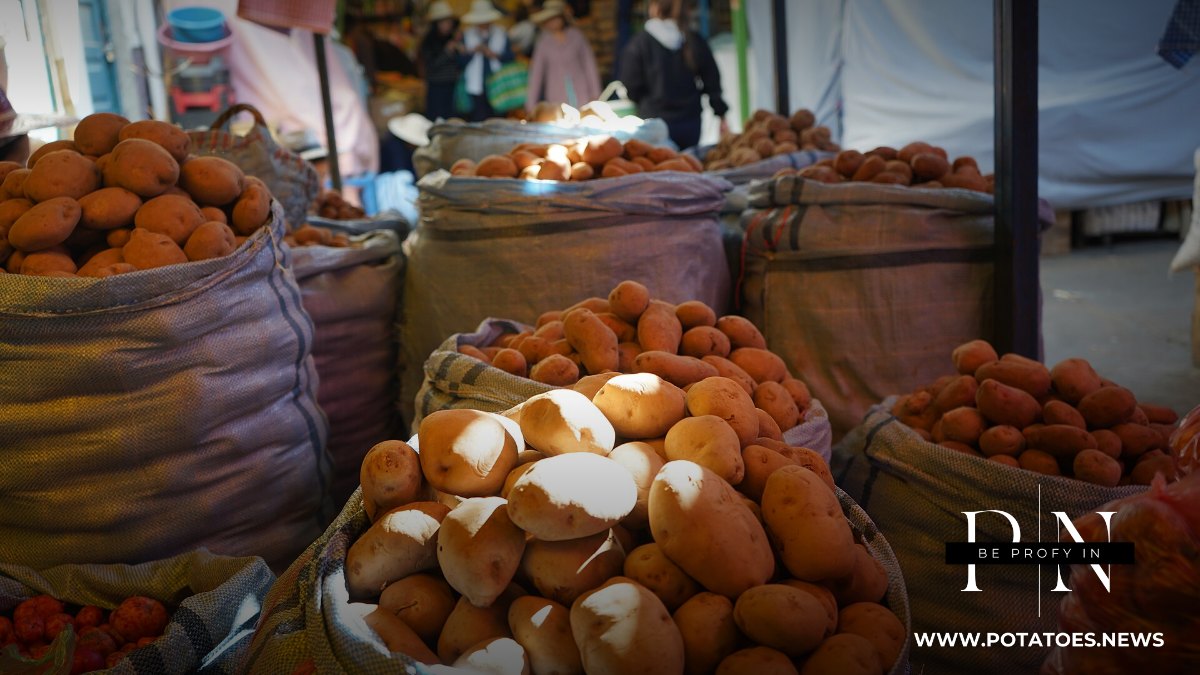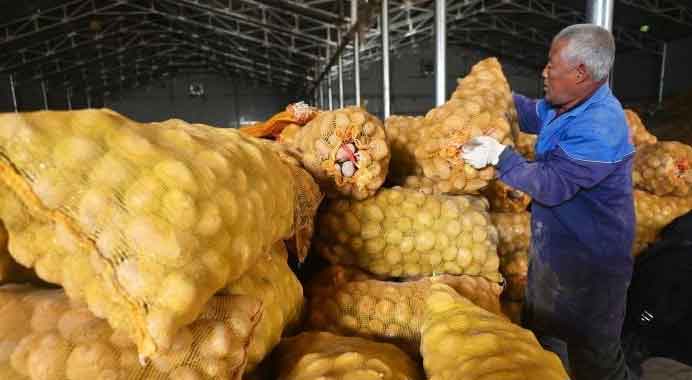
In September, an investment forum in Dingxi, Gansu Province — known as China’s “potato capital” — announced that the gross value of the region’s entire potato production chain has reached 280 billion yuan. Dingxi is focusing on deep processing, including starch, semi-finished products, and snacks, while building “Dingxi Potato” into a recognized brand. Meanwhile, Weining County in Guizhou Province has confirmed its status as the largest potato producer in southern China, with total output expected to reach 3 million tons in 2026 and a comprehensive product value of around 4 billion yuan. The county is also expanding processing capacity and integrating potatoes into crop rotation systems with rice and vegetables.
Together, the two regions illustrate the dual trajectory of China’s potato industry: Dingxi exemplifies a mature, brand-driven model built on high-value processing and a globally recognized regional identity, while Weining represents a rapidly scaling production base leveraging its southern climate and crop-rotation advantages. Both are moving beyond raw output toward value-added processing and industrialization, signaling a broader shift in China’s potato sector from volume growth to chain-wide economic upgrading.