China: Potato Starch Stocks Rise 52.56% Year on Year as New-Season Production Starts
China held about 514,000 tonnes of potato starch in mid-September, up 52.56% on last year. Prices for grade-one starch slipped as new-season processing began in the north.
Potato starch stocks in China are much higher than a year ago. National inventories stood at about 514,000 tonnes on 14 September, according to a market report published by Hexun on 16 September.
That volume was 1.53% lower than a month earlier. However, it was 52.56% higher than at the same time last year.
North China held about 188,000 tonnes of the total. Northwest China held about 301,000 tonnes.
Weekdays. Unsubscribe in one click.
Prices drift lower
The average market price for grade-one potato starch was 5,381.64 yuan per tonne on 14 September. It was 1.16% below the level at the end of August. It was also 4.59% below the price a year earlier.
New-season processing has started at different speeds across the country. Factories in Hebei and Inner Mongolia have entered their peak season. Autumn production has started in Shaanxi. Plants in Gansu and Ningxia had not yet started, according to the report.
Raw material costs rose, then fell
At the start of the campaign, some starch makers raised the price they paid for starch potatoes. The benchmark grade moved from 400 yuan per tonne to 430–450 yuan per tonne. The aim was to use higher costs to push starch prices up.
The move did not last. The purchase price later fell back to 380 yuan per tonne, the report said. With costs lower and supply larger than demand, the report expects starch prices may keep falling after mid-September.
The report describes the market as one where oversupply is hard to reverse. New-season starch is priced on its production cost, so cheaper raw potatoes feed directly into lower starch offers.
Why it matters
China is a major producer of potato starch, and the northern campaign sets the tone for the whole season. High carry-over stocks and falling raw material prices put pressure on both factory margins and the incomes of farmers who grow potatoes for starch. Growers on contract are better protected than those selling on the open market. Buyers of starch in food and industry may find more room to negotiate in the coming weeks. The figures come from one market report, so they should be read as an indication rather than an official statistic.
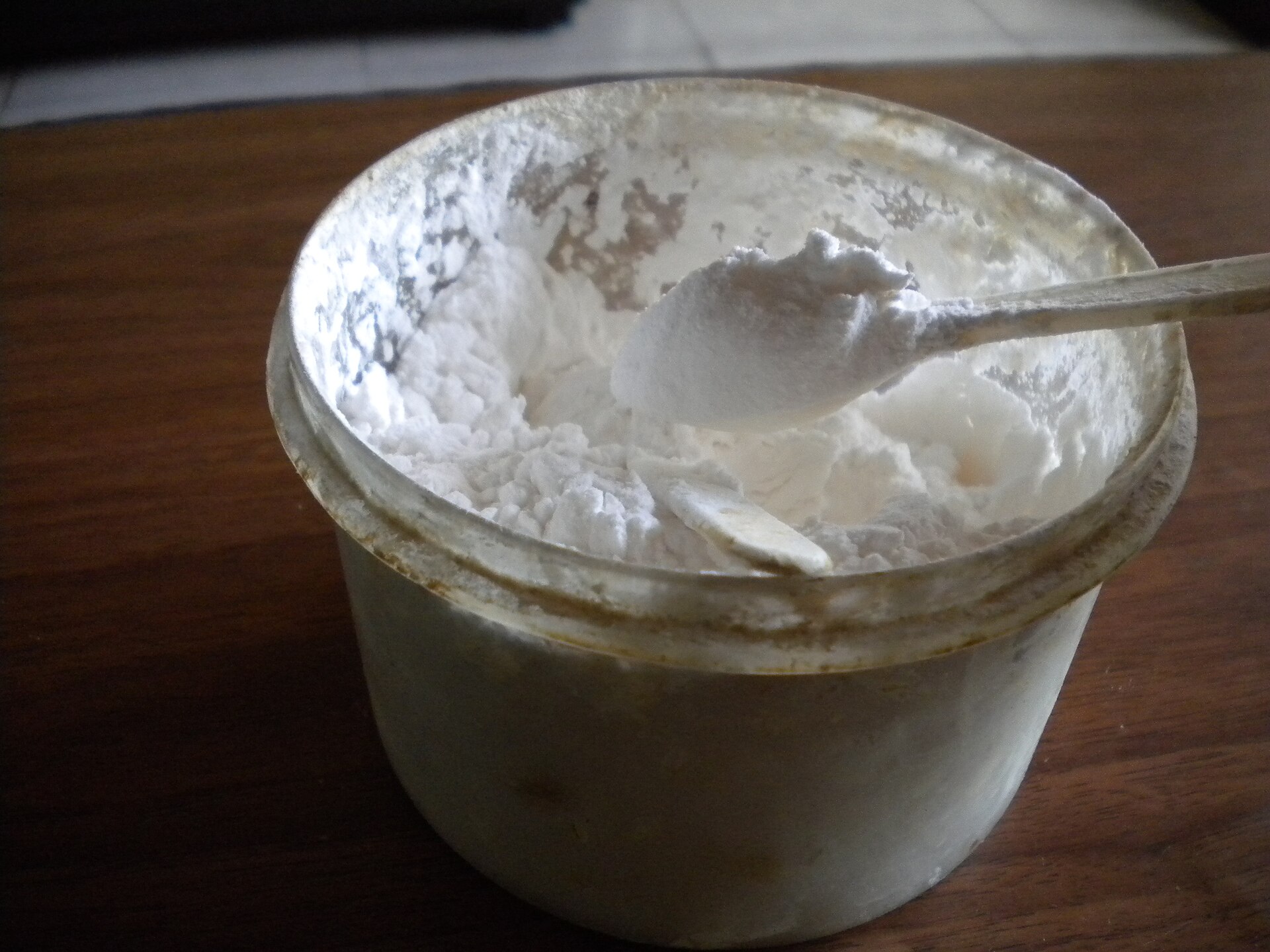
Photo: Potato starch (illustrative). Onlymyself65536 / Wikimedia Commons, CC BY-SA 3.0