Chile: How AI, Solar Irrigation, and Drones Are Revolutionizing Potato Farming
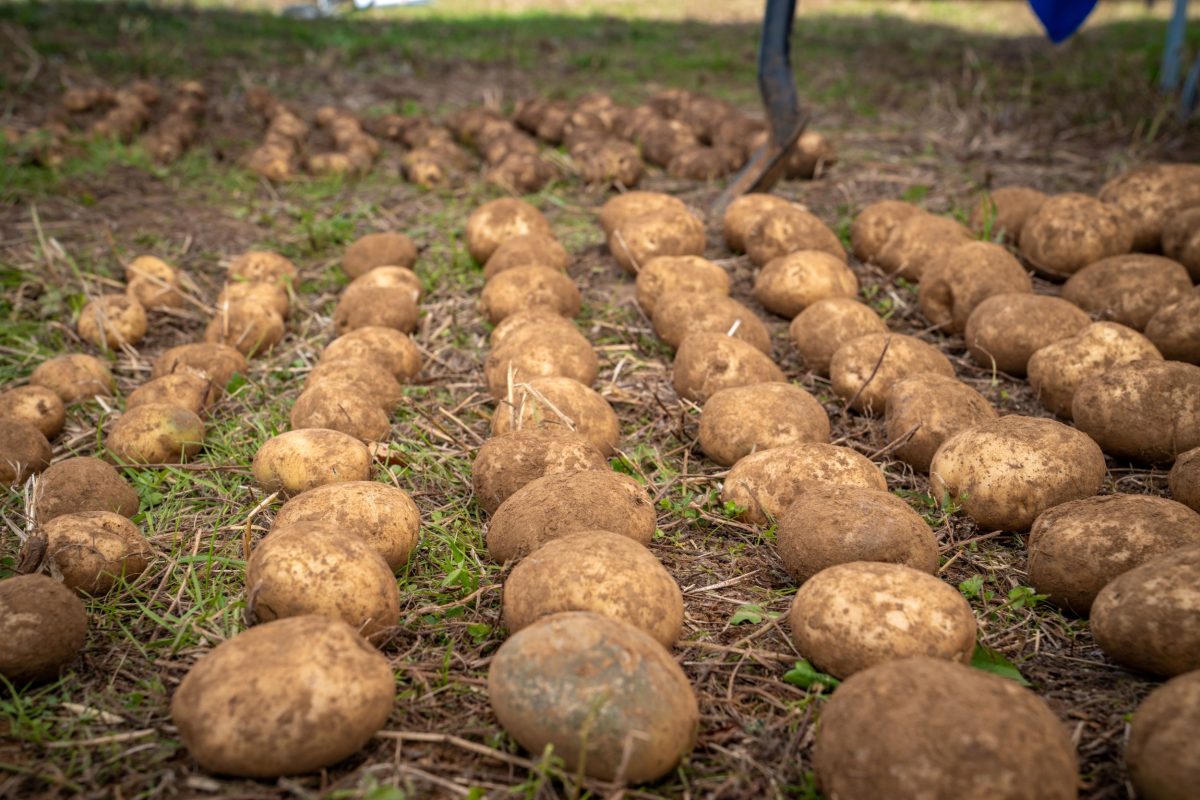
On the occasion of International Potato Day—designated by the United Nations in $2023$ to recognize the nutritional, economic, and cultural value of the world’s most consumed tuber—Chilean agriculture is showcasing a profound technological transformation. Facing severe climate variations and the pressing need for sustainable food security, local potato producers are increasingly relying on high-tech solutions like artificial intelligence (AI), drones, and solar-powered irrigation to secure their yields.
Below is an in-depth exploration of how precision agriculture and regenerative practices are defining the future of the Chilean potato sector.
The Digital Revolution in the Field
Modern potato cultivation in Chile has moved beyond traditional farming techniques. Today, growers are leveraging interconnected digital tools to manage resources with unprecedented precision.
Weekdays. Unsubscribe in one click.
- Drones and Aerial Monitoring: Drone technology is being used to fly over expansive fields, capturing multispectral images that analyze crop health, detect pest outbreaks early, and map soil conditions without disturbing the plants.
- Connected Soil Sensors: High-precision moisture and temperature sensors installed in the soil transmit real-time data to integrated software platforms. This allows farmers to monitor growing conditions continuously and optimize water usage.
- Artificial Intelligence (AI): AI algorithms process data collected from drones and sensors to forecast crop development, detect stress markers in the plants, and suggest targeted interventions. This dramatically reduces the over-application of fertilizers and pesticides.
Solar-Powered and Automated Irrigation
Water scarcity is one of the biggest challenges facing Chilean agriculture, particularly in central and southern production areas. To address this, automated irrigation systems integrated with solar energy are stepping in.
By using solar panels to power high-efficiency drip and micro-sprinkler systems, farmers are drastically reducing both their carbon footprint and their operating costs. Automated loops ensure that water is distributed only when soil moisture levels drop below a specific threshold, preventing water waste and maintaining optimal soil conditions for high-quality tuber development.
The Industrial Scale of Potato Farming in Chile
The agro-industrial sector plays a massive role in implementing these sustainable innovations at scale. A prominent example is PepsiCo Chile—the manufacturer behind major consumer brands like Lay’s—which operates extensively in the region.
- Agricultural Footprint: PepsiCo Chile processes approximately
$68,000$tons of potatoes annually, representing$4.3\%$of the national potato production and roughly$24\%$of the domestic agro-industrial potato market. - Cultivated Area: This production footprint spans approximately
$1,800$hectares of cultivated land, managed in close collaboration with local growers. - A Path Toward Regenerative Agriculture: Ismael Plácido Tomielis, Agribusiness Manager at PepsiCo Chile, notes that the industry’s greatest challenge is no longer just food production, but building resilience against climate change. “The goal is to produce more while using fewer resources and ensuring the long-term sustainability of our productive systems,” Tomielis explains.
These regenerative practices aim to restore soil health, protect biodiversity, and improve the livelihoods of local farming communities.
Information Sources
This article was compiled using specialized agricultural updates from the portal Argenpapa (argenpapa.com.ar, news item # $17331$), drawing on comprehensive technical reports from the Latin American agricultural journal Redagrícola (redagricola.com) and commercial operational insights from PepsiCo Chile.