
#PotatoProduction #AgricultureVenezuela #Agroindustry #FarmersAlliance #IndustrialCultivation #MaríaBonitaPotato #SupplyChainChallenges #StateFunding
In Venezuela, the once-thriving production of potatoes for the industry has dwindled in at least three states, namely Aragua, Carabobo, and Lara. This decline, spanning eight years, can be attributed to disruptions in the supply chain of the Atlantic variety seed, as explained by Aldemaro Ortega, the President of the National Federation of Potato and Vegetable Producers.
“Previously, the Venezuelan agroindustrial sector supplied farmers with Atlantic seed, fertilizers, and other cultivation essentials, fostering a symbiotic relationship between producers and the industry. This collaboration allowed them to determine the final potato prices, benefiting from a captive market,” Ortega stated.
Weekdays. Unsubscribe in one click.
However, this landscape has shifted dramatically, leading to potatoes making their way from fields to agribusiness stores. Ortega highlights the challenges, stating, “Potatoes have left the fields for agribusiness stores, but today the situation has changed.”
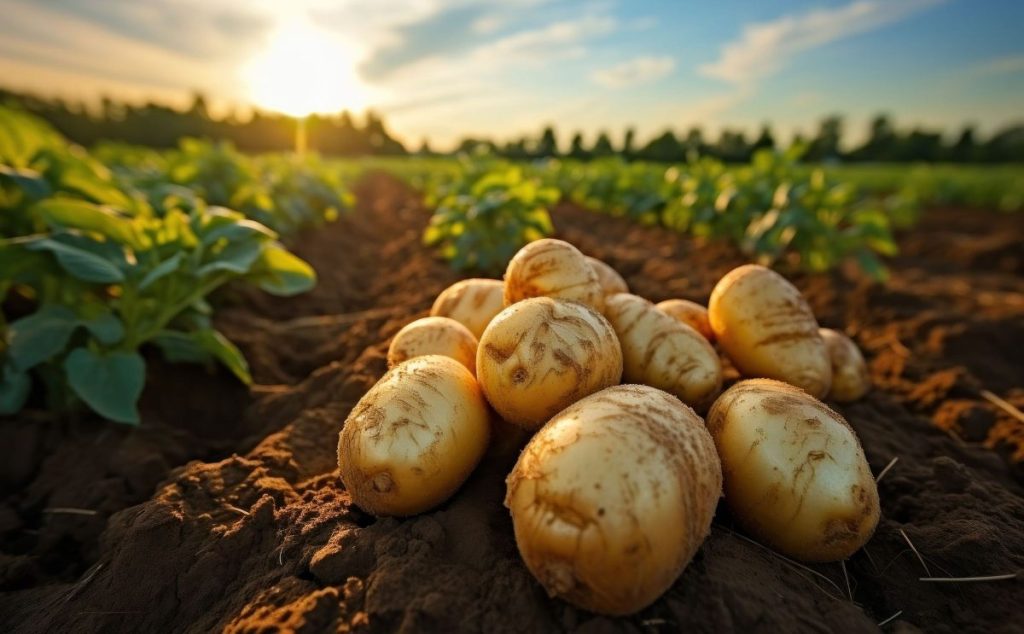
The ‘María Bonita’ potato, known for its high quality, is a native variety in Venezuela. Ortega stresses the necessity of state funding to support its cultivation, citing the insecure nature of the local market due to unfair competition and smuggling from Colombia.
Speaking during a strategic alliance event involving the government, farmers, and agroindustry, Ortega proposes a collaborative agreement to plan the cultivation of 300 hectares of potatoes for industrial use.
The financial aspect of potato cultivation raises concerns, with Ortega revealing that planting one hectare requires an investment of approximately USD 10,000, excluding labor, transportation, and other expenses. He breaks down the costs, including USD 100 per 50-kilogram bag of seeds (50 bags needed per hectare) and USD 60 per bag of MPK fertilizer (35 bags required). Additional costs encompass pre-emergent products, such as fungicides, herbicides, sprayer rentals, and fuel (diesel).
Ortega emphasizes that these costs are borne by the agroindustry, involving bonuses and advance funds, making it a considerable financial burden for Venezuelan farmers amidst market uncertainties, smuggling, and unfair competition.