Building a Stronger Seed Ecosystem: The Key to Unlocking India’s Potato Potential
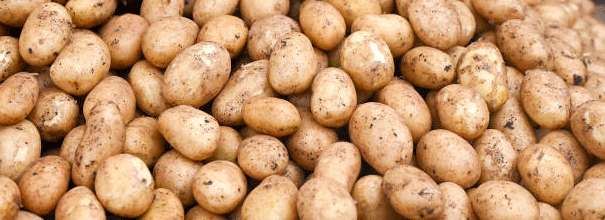
India’s potato industry stands at a pivotal crossroads, transitioning from a volume-driven model to a quality-led, value-added future. Despite being the world’s second-largest potato producer, the country’s average yields languish at 28–30 tonnes per hectare—roughly half those of the Netherlands and the US. This productivity gap is not rooted in soil or climate limitations but in structural weaknesses within the seed ecosystem. With a Seed Replacement Rate (SRR) of merely 25–30%, most farmers rely on saved tubers, leading to varietal degeneration and disease buildup. Addressing this challenge through improved access to healthy, quality-assured seed is critical, as seed quality fundamentally determines the success of all subsequent inputs like irrigation and crop protection.
The future of Indian potato farming lies in creating an integrated marketing ecosystem that goes beyond simple seed distribution. Such a system would align variety selection with market demands—from frozen products to quick-service restaurants—while leveraging digital intelligence for real-time agronomic support. By connecting scientific seed multiplication with processor-aligned varieties and contract-based marketing, farmers could reduce production risks and price volatility. Ultimately, a robust seed ecosystem promises not just higher yields but greater consistency, traceability, and profitability, enabling India to produce the right potato for the right market and secure its place in the evolving global supply chain.