About 15,000 sacks of potatoes have rotted in a cold store in Madaripur district in central Bangladesh, the Daily Ittefaq and Bangla TV reported on 20 September. The sacks weigh 60 kg each, which puts the lost volume at about 900 tonnes, or around 22,500 maunds in the local unit.
According to the reports, the potatoes were placed in the facility, Madaripur Cold Storage Ltd, in March 2025 and were kept there until the middle of September 2026 because their owners were waiting for higher prices. That is about 18 months; the reports say potatoes are normally kept in cold storage for a maximum of 10 months.
At current retail prices, the lost potatoes are worth about Tk 2.25 crore (Tk 22.5 million), according to the Daily Ittefaq; some headlines round this to Tk 2 crore. For five days, the rotten stock has been handed out free as animal feed.
Both reports appear to rely on the same local correspondent network, so they may not be fully independent. The event concerns a single facility.
Context
Bangladesh harvested a large potato crop in 2025, which led to a glut and a fall in farm-gate prices. Many farmers and traders put potatoes into cold storage in the hope of selling later at a better price. Exports offered little relief: Bangladesh’s potato exports halved this year as freight costs rose and competition increased.
Why it matters
The Madaripur case shows the cost of speculative storage when prices do not recover. Holding potatoes far beyond their normal storage life turns a price risk into a total loss, both for the owners of the stock and for the cold-store operator, who must dispose of it. For growers and traders across South Asia with potatoes still in storage from a surplus year, the lesson is to set a sell-by limit based on storage life, not on a hoped-for price.
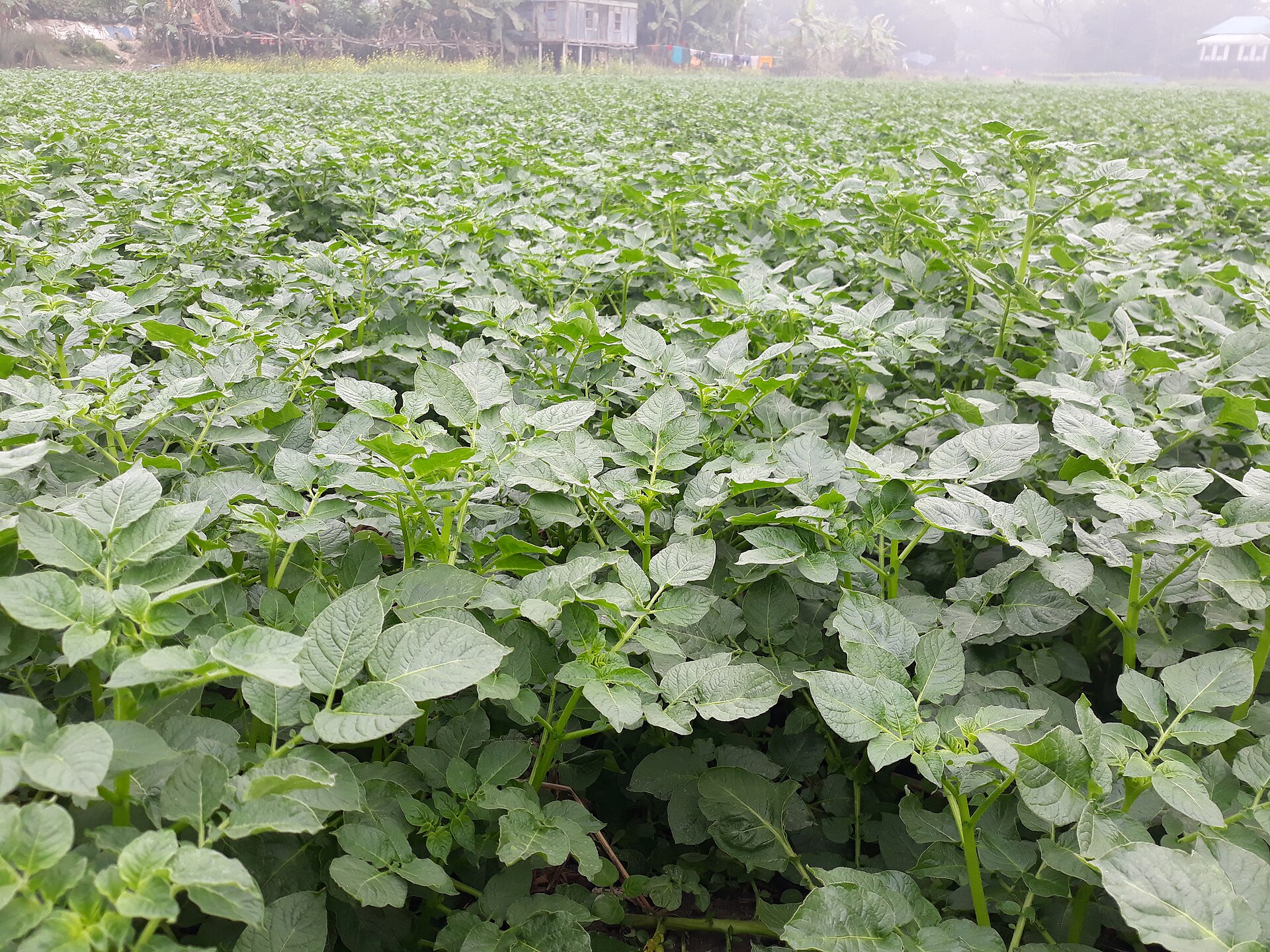
Photo: Potato field in Munshiganj, Bangladesh (illustrative). কুউ পুলক / Wikimedia Commons, CC BY-SA 4.0