Balcarce Field Day Puts Input Programs and Weather Outlook in Front of Argentine Growers

Input suppliers and a meteorologist headlined a PGP Agronegocios field day in Balcarce, the heart of Argentina’s fresh potato region, presenting phosphite programs, seed treatment combinations and an El Niño outlook ahead of planting.
PGP Agronegocios hosted a field day for potato growers in Balcarce, in Argentina’s Buenos Aires province, on 9 October, bringing together crop protection suppliers and a weather specialist ahead of the new planting season in the country’s most important fresh potato area. The event ran under the banner “La Papa está en Balcarce” (Potatoes are in Balcarce).
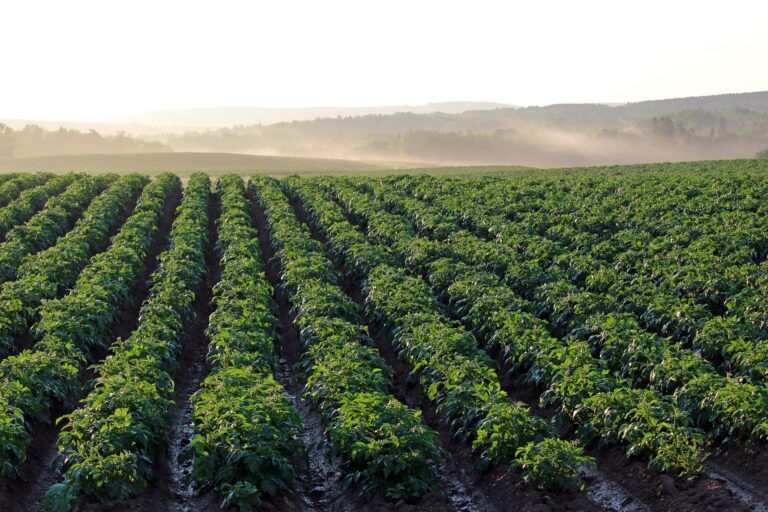
Balcarce and the surrounding southeast of Buenos Aires province supply the bulk of Argentina’s fresh table potato market, which makes agronomy events there a reliable indicator of what input programs the region’s growers will run this season.
Weekdays. Unsubscribe in one click.
Three technical presentations anchored the day, according to the event coverage. Osvaldo Francia of Afital presented the company’s phosphite-based products, a category widely used in Argentine potato production for oomycete disease management and plant vigor. Carlos Taján of Brometan introduced Verno, the company’s product for the potato program. Daniel Melucci detailed the Combo Papa I and Combo Papa II seed treatment packages, reporting yield gains of 10–12% in EUP (extension/university trial) work, and described the PRO version of the combination, which adds the insecticide thiamethoxam for early-season pest control.
Meteorologist Nicolás Méndez closed the technical program with the seasonal outlook, addressing the evolving El Niño signal and what it could mean for rainfall distribution across the pampas during the growing season. Weather is the single largest unmanaged variable for the region’s growers: the same southeast districts received between 16 and 70 millimeters of rain in a recent widespread event, according to YPF-AGRO monitoring (see our separate report), leaving soil moisture highly uneven across short distances.
Field days of this type are how input decisions actually get made in the region: growers walk demonstration plots, compare treated and untreated strips, and negotiate program pricing for the season with the supplying companies’ agronomists. The presence of phosphite programs, seed treatment combinations and insecticide options in one agenda reflects the region’s main production risks — late blight pressure in a humid spring, seed-borne disease carryover (last season saw significant seed rot problems after heavy rains, as reported from Jujuy) and early insect pressure on emerging crops.
For the input companies, Balcarce is a concentration of decision-makers: the southeast’s growers plant tens of thousands of hectares within a few weeks, and program adoption is typically decided farm by farm in October. PGP Agronegocios, as the host, positions itself as the distribution and agronomy hub connecting those growers to the supplier portfolio.
Claims made at supplier field days reflect the presenting companies’ own trial data; independent regional verification of the 10–12% Combo Papa yield figure was not part of the event coverage.
What gives this particular field day weight is the calendar: Balcarce growers are committing to seed treatments and early-season programs in the same weeks the region received its uneven 16–70 mm rainfall, meaning decisions taken now will be executed in soils of very different moisture status. The suppliers that win program commitments in October effectively lock in their season, which is why the pre-planting field-day circuit in the southeast remains one of the most contested marketing battlegrounds of Argentine potato production.