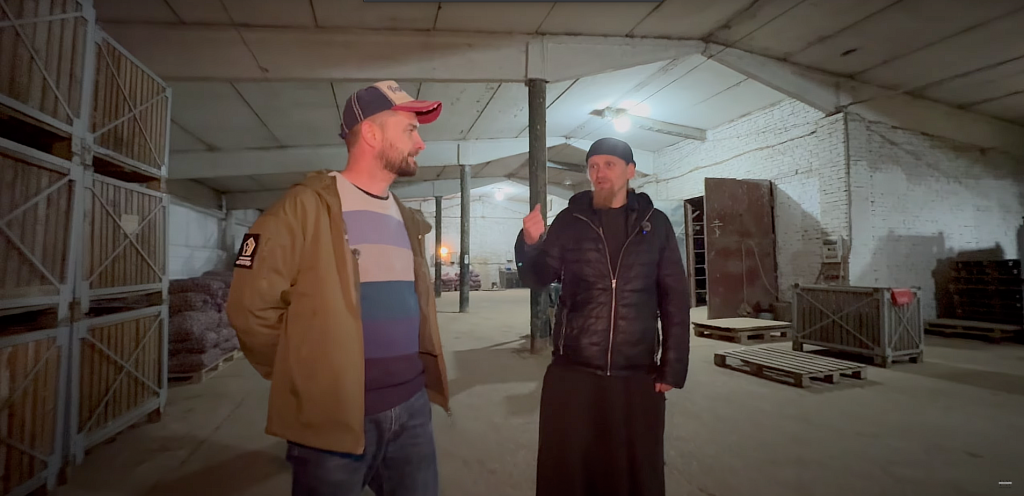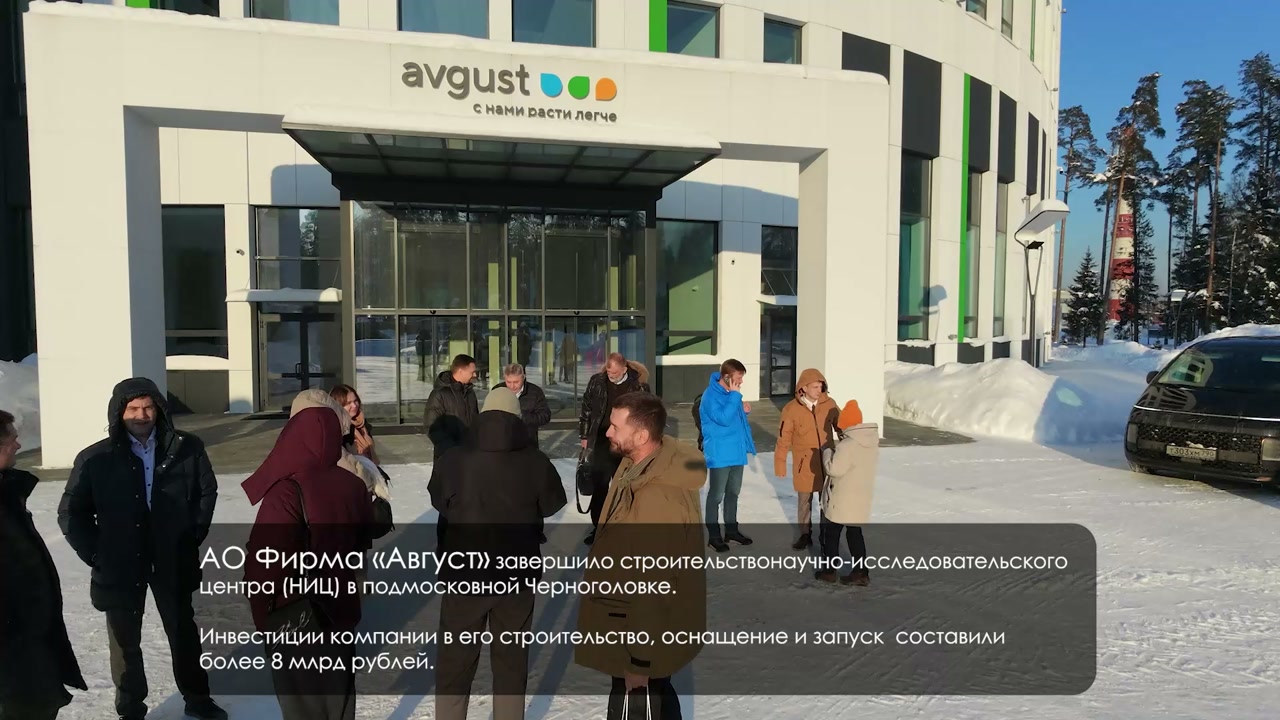
What can researchers learn when they run plant trials under the same growing conditions at different times of the year? In this short report from the International Potato Tour archive, visitors tour Avgust’s research centre in Chernogolovka, in the Moscow Region. The staff explain how the centre uses controlled climates to study crops and weeds and test crop protection products.
Watch the short report in Russian
- 00:38 What the Biotron is used for
- 01:19 Biological crop protection research
- 01:59 Links with field trials
- 02:31 Gathering material during field visits
A building set aside for controlled-climate research
Avgust announced the commissioning of the centre on 20 November 2025. The company says its Biotron occupies a separate building of 4,000 square metres. Across the Biotron and the centre’s biology facilities, it reported 65 climate-controlled laboratories and plant-growth chambers in total.
Avgust’s commissioning announcement
Weekdays. Unsubscribe in one click.
What the short tour shows
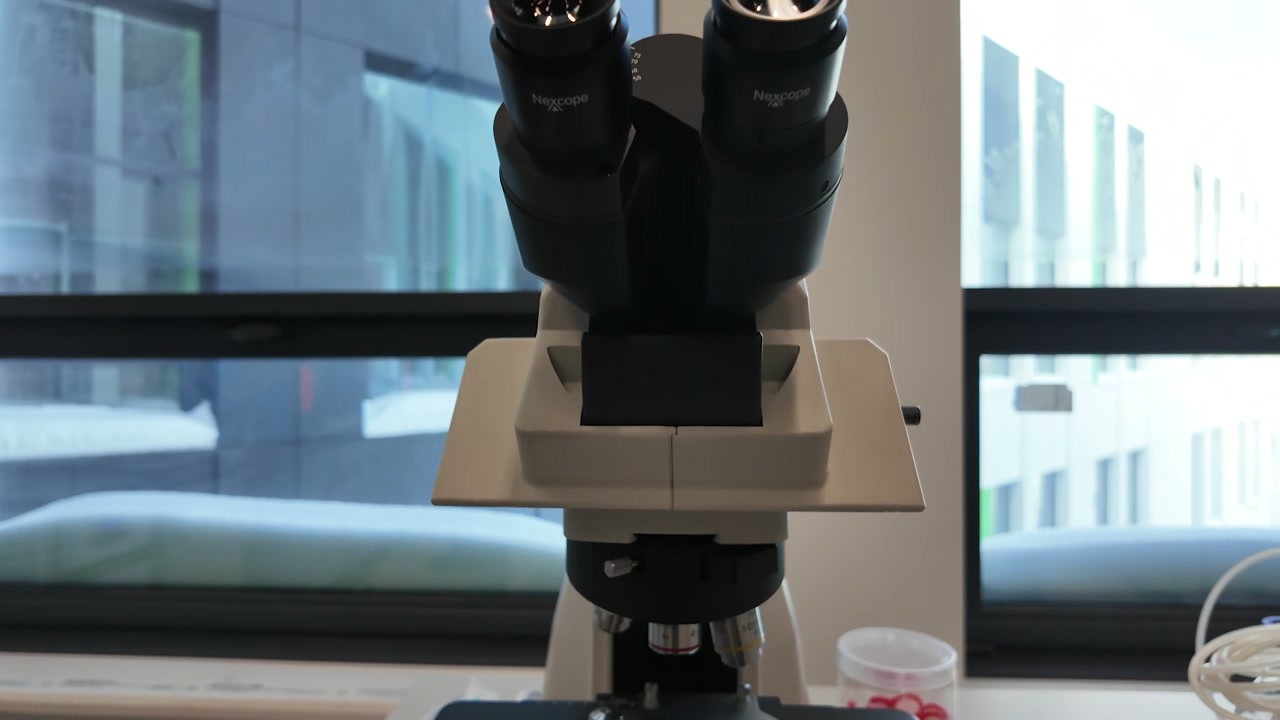
The staff explain that the Biotron allows researchers to grow plants under controlled conditions throughout the year. They describe using different climate settings to study plant growth and crop protection products. Later in the report, staff discuss biological crop protection as a research area and describe the company’s participation in comparative field trials with a research institute.
Why the centre matters to potato research
The centre’s work spans a range of crops. At a 2026 conference marking the International Day of Potato, Avgust presented its climate, biology and chemistry laboratories in a discussion about potato crop protection, according to FAO’s report on the event.