Argentina’s potato prices have more than quadrupled — but growers are still paying for 2025
Argentine potato grower prices have staged a dramatic recovery, but in Tucumán an INTA agronomist says much of the windfall is going straight to settling last season's debts.
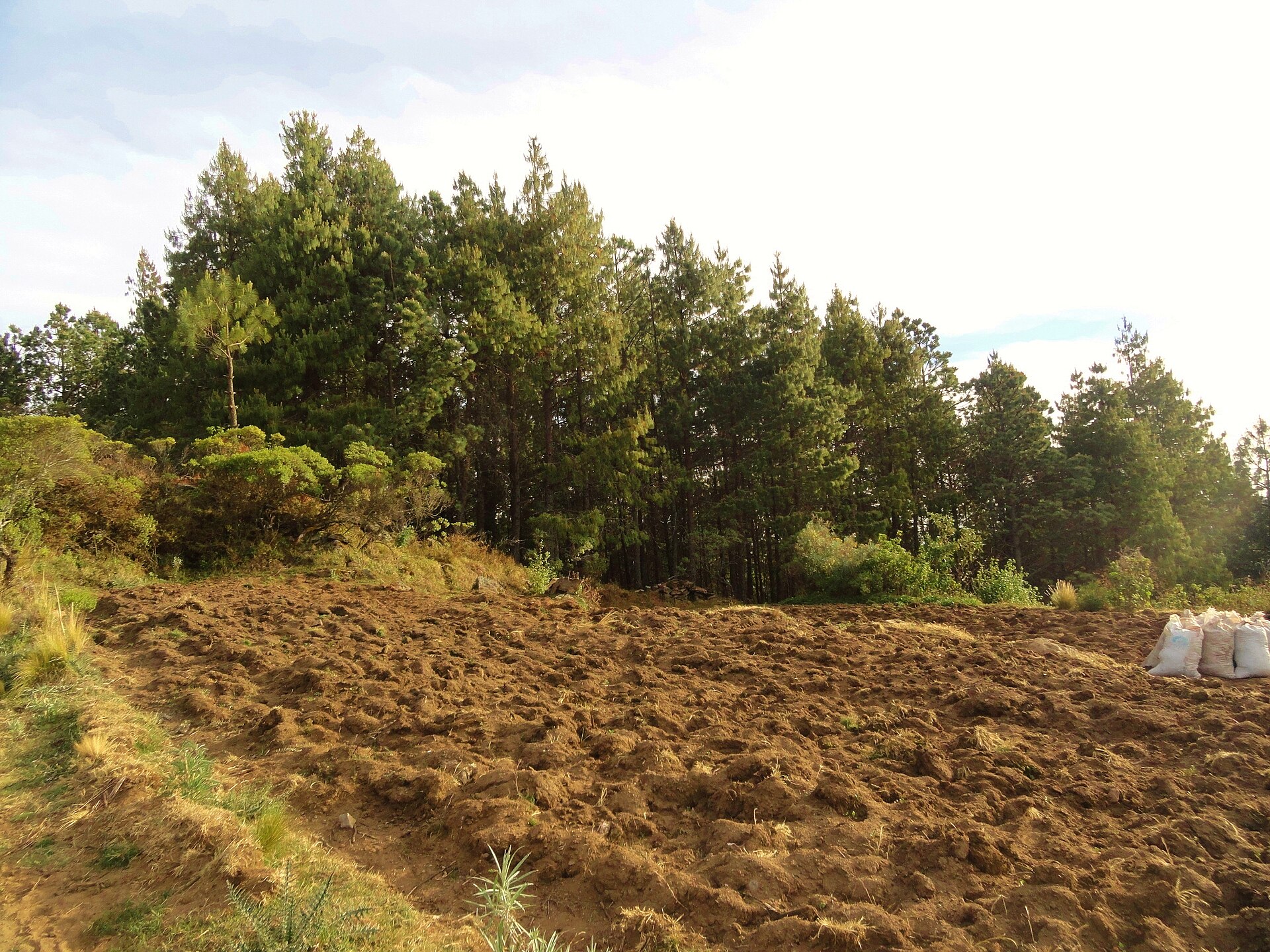
A year after a record crop and a price collapse left Argentine potatoes rotting in the field, grower prices have staged a dramatic recovery. Yet in Tucumán, one of the country’s key early-crop provinces, an agronomist warns that much of the windfall is going straight to settling last season’s debts.
From stagnation to “green”
Argentina’s agricultural cooperative confederation Coninagro tracks the health of the country’s regional farm economies through a monthly “traffic light” index. According to its August 2026 reading, as reported by Clarín Rural and Argenpapa, potatoes moved from amber (stagnation) to green. Prices paid to growers rose 19% month on month, 151% over four months and 329% year on year.
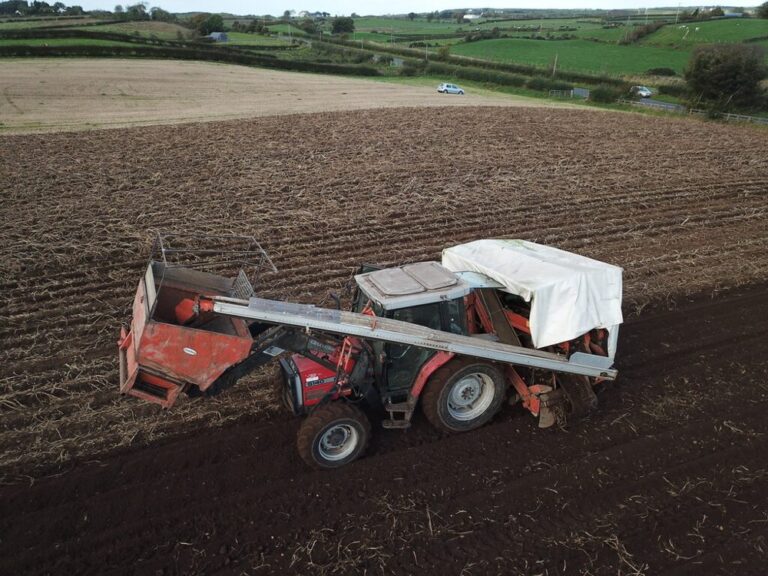
The turnaround follows a severe downturn. The previous season ended with a record harvest that flooded the domestic market. In several regions selling prices fell below the cost of harvesting and marketing, and some crops were left unharvested or discarded for want of buyers. Growers responded by cutting back: the area planted for the new season is down 12%, helping supply and demand back towards balance.
Weekdays. Unsubscribe in one click.
Coninagro itself urges caution. Much of the year-on-year jump reflects the exceptionally low base of 2025, and the move into the green category signals improving short-term indicators rather than an end to the market’s structural volatility. Nor does it guarantee positive margins for every grower. Potatoes are also something of an outlier: in August the index showed five regional economies in green, five in amber and nine in red.
Tucumán: a good season spent on the last one
What the recovery looks like at farm level was described on 6 October by José García, an agronomist and researcher at the Aguilares experimental station of INTA, Argentina’s National Institute of Agricultural Technology, in an interview with Tucumán radio station LV12. He described the current season as relatively good compared with the last, but said many producers first had to clear debts run up in 2025, explaining that growers were still covering the previous year’s costs.
Tucumán, in Argentina’s north-west, specialises in early potatoes, planted in April and May and lifted in October and November. That timing makes the province a key supplier during the seasonal gap in the national calendar, particularly for the major markets of Córdoba and Buenos Aires.
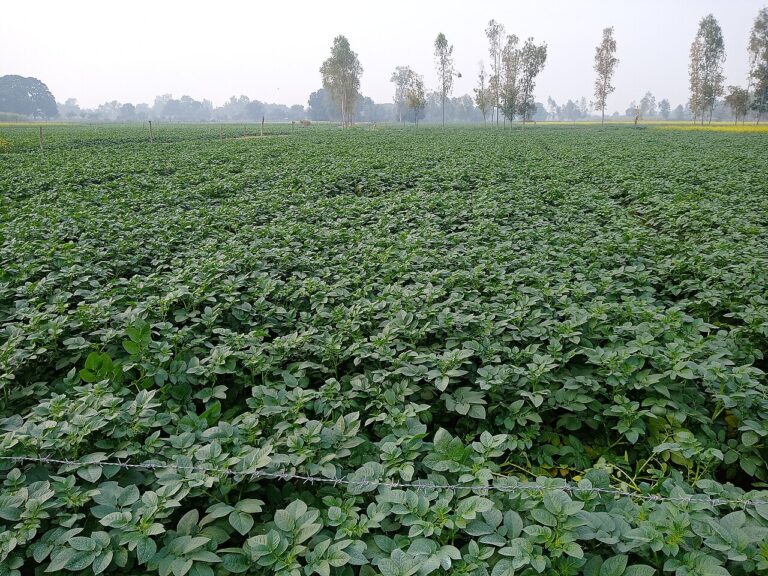
The season got off to a difficult start. Waterlogged soils meant that, according to García, much of the area was planted practically in standing water. Planting began in May but stopped for nearly three weeks in June, leaving fields at uneven stages of development.
Problems elsewhere, however, have worked in Tucumán’s favour. In Buenos Aires province, rain has held yields below expectations, while Mendoza and Córdoba are well behind schedule after hail in recent months. With less competing supply during the transition period, Tucumán growers have gained a stronger foothold in the market.
Market price versus farm-gate price
García stressed that the price quoted on the market and the price growers actually receive differ markedly. He cited a market price of around ARS 21,000 per bag, from which intermediaries deduct about ARS 5,000 for logistics and transport — meaning growers keep roughly ARS 16,000, with haulage and intermediation absorbing nearly a quarter (about 24%) of the market price. He nonetheless described the current level as a good and reasonable price.
According to García, Spunta, a variety grown for the fresh market, accounts for about 60% of the province’s potato area. Most of the remainder is processing potatoes, chiefly Atlantic, used for crisps and snacks. Tucumán’s crop serves the domestic market, with part of it exported.
A textbook potato cycle
Argentina is playing out a familiar pattern: collapsing prices trigger cuts in planted area, which in turn drive a price rebound. But percentage gains measured from the bottom of the market say little about growers’ real financial position. As long as farms are paying off last season’s losses, higher prices will not translate into reinvestment. And if the coming season brings favourable weather, a 12% smaller area could still swing the market from shortage back to surplus.
Sources: Argenpapa, Coninagro data (13.10.2026); LV12, interview with José García (06.10.2026); Argenpapa, Tucumán (06.10.2026); FreshPlaza (background, 2025 crisis).