Argentina: Alagro moves potato quality checks from the delivery dock to the farm gate
A new Argentine trading platform wants to end the era of potato deals sealed with a phone call and a handshake. Alagro, a B2B marketplace launched in October, sends its own inspector to the farm before a lorry is loaded, so buyers can see what they are getting before the produce leaves the field. Every completed trade is logged, with the aim of giving growers a verifiable track record they can take to lenders.
A trade built on trust
In Argentina’s fresh potato trade, a 28-tonne load can leave a field in Tucumán, Córdoba or south-eastern Buenos Aires province bound for a warehouse more than 1,000 km away with no written contract behind it. Under the traditional model, the buyer only discovers the real quality of the consignment when the lorry doors open at destination. If the potatoes do not match what was agreed, the result is typically a round of phone calls, claims with no paperwork to support them and idle lorries, which cost the supply chain money by the hour.
According to the company, the sector covers around 80,000 hectares, produces roughly 2.8 million tonnes a year and moves more than 200 lorries a day. The planted area is in line with estimates from the national potato growers’ federation.
Weekdays. Unsubscribe in one click.
How the platform works
Growers list each lot with its variety, volume, location and supporting documents. Buyers, including processors, supermarket chains, wholesale markets and distributors, filter the offers to suit their needs and submit bids within the system.
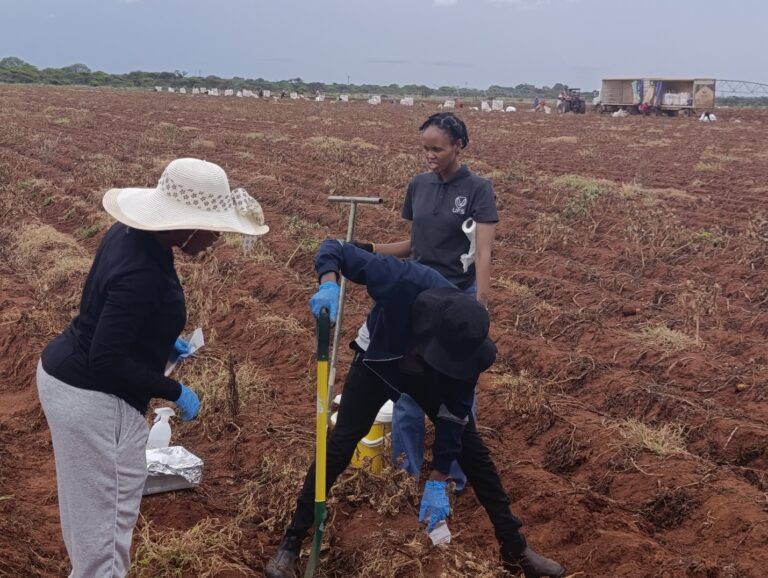
Before dispatch, Alagro sends an inspector to the farm to assess tuber size, variety, defects, presentation and actual volume. The report is uploaded to the platform, and the buyer reviews it before authorising the haul. If the lot does not meet the agreed specification, it is not loaded, avoiding wasted freight and disputes on arrival.
Freight terms, acceptable weight and quality tolerances and the deadline for lodging claims are all fixed in the system before loading.
The platform also vets its users. Growers and buyers must hold a valid tax identification number and be registered in Argentina’s national agricultural health register, which records farms for sanitary purposes. Each seller builds up a commercial score based on the quality of past deliveries and inspection results.
Paid only on completion
There is no subscription fee. Alagro charges a 1% commission to the seller and a further 1% to the buyer, payable only when a trade goes through.
Wholesale prices at the Buenos Aires Central Market give a sense of scale. On 30 October, Spunta potatoes from Tucumán averaged ARS 10,000 per 18 kg bag, or about ARS 556 per kilogram. At that price a 28-tonne load is worth around ARS 15.6 million, putting the commission at roughly ARS 156,000 for each party. At the mid-month peak on 16 October, when a bag fetched ARS 32,000, the same load would have been worth almost ARS 50 million. Farm-gate prices are lower than wholesale market quotes, so actual fees would be smaller.
The same figures show why locking in terms before dispatch matters. Over October, the Tucumán reference price at the Central Market fell by 54.5%, and by 68.8% from its mid-month high. In a market that volatile, a quality dispute at unloading can quickly turn into a dispute over price.
First-year targets
As reported by Infobae and Argenpapa, Alagro aims to trade 30,000 tonnes of potatoes, roughly 1,000 lorry loads, in its first year, and to sign up 25 growers and 15 active buyers. The founders launched the business with their own capital and plan to invest close to USD 1.5 million over the first twelve months.
On the company’s own market estimates, 30,000 tonnes would amount to just over 1% of national output, and 1,000 loads to about 1.4% of annual lorry traffic. The targets also imply an average of around 1,200 tonnes per grower a year, which suggests the platform is aimed at medium and large farms rather than smallholders.
From trading history to credit history
Every transaction is recorded on the platform, including the parties involved, the documents submitted, the characteristics of the produce and whether delivery was fulfilled. The idea is that growers accumulate a verifiable trading record they can use to support applications for finance. This part of the system runs on technology from Alprestamo, an Argentine online marketplace for financial products, adapted for agriculture. No lending partners or credit terms have yet been announced.
The people behind it
Alagro was conceived by 20-year-old Santino Calcaterra, who grew up in the potato business alongside his father, Fabio Calcaterra, a long-standing figure in potato processing and agronomic development. His partners are Julián Sanclemente, Pablo Blanco and Santiago Peralta, the founders of Alprestamo. The platform took more than eight months to develop.
Sanclemente said that potatoes were still sold the way they had been 50 years ago, by word of mouth and over the phone, in a country that exports technology to the world, and that the team had set out to change this from the ground up. Calcaterra said their goal was for a grower’s next big sale to come from a buyer they did not yet know, so that good producers could grow on the strength of their quality rather than their contacts.
Alagro has started operating in three key growing regions: Buenos Aires, Córdoba and Tucumán provinces. It plans to expand to other regions and to further vegetable crops.
Not the only contender
Although Argentine media described Alagro as the country’s first digital platform for buying and selling potatoes, a rival service with a different approach appeared at almost the same time. Days earlier, Argenpapa reported on PactoAgro, based in Villa Dolores, Córdoba. Rather than inspecting produce, PactoAgro focuses on securing payment: the parties record their agreed terms, the buyer deposits an agreed sum with a payment provider, AgroPago, before the lorry departs, and has 12 hours after arrival to unload and inspect. If the parties cannot settle a dispute, a pre-agreed rule awards the buyer half of the discount requested, capped at 8% of the deposited sum. PactoAgro charges 5% plus VAT on the amount held, and does not certify quality or quantity.
The two platforms therefore tackle opposite ends of the same problem: Alagro reduces uncertainty over quality at the point of loading, while PactoAgro reduces uncertainty over payment at the point of delivery.
The challenges ahead
Alagro’s model depends on a network of inspectors across regions hundreds of kilometres apart, a cost that a combined 2% commission will cover only at significant volumes. An inspection at the farm gate cannot guard against deterioration in transit. And, like any sector marketplace, the platform faces the risk that buyers and sellers who meet through it will trade directly next time. Its commercial scoring and access to finance are meant to keep them on board, but these advantages have yet to be proven in practice.
Sources: Argenpapa, Agrofy News, Infobae