Argentina Adds Cold Storage at Mar del Plata Port, Opening a Shorter Route for Frozen Potato Exports
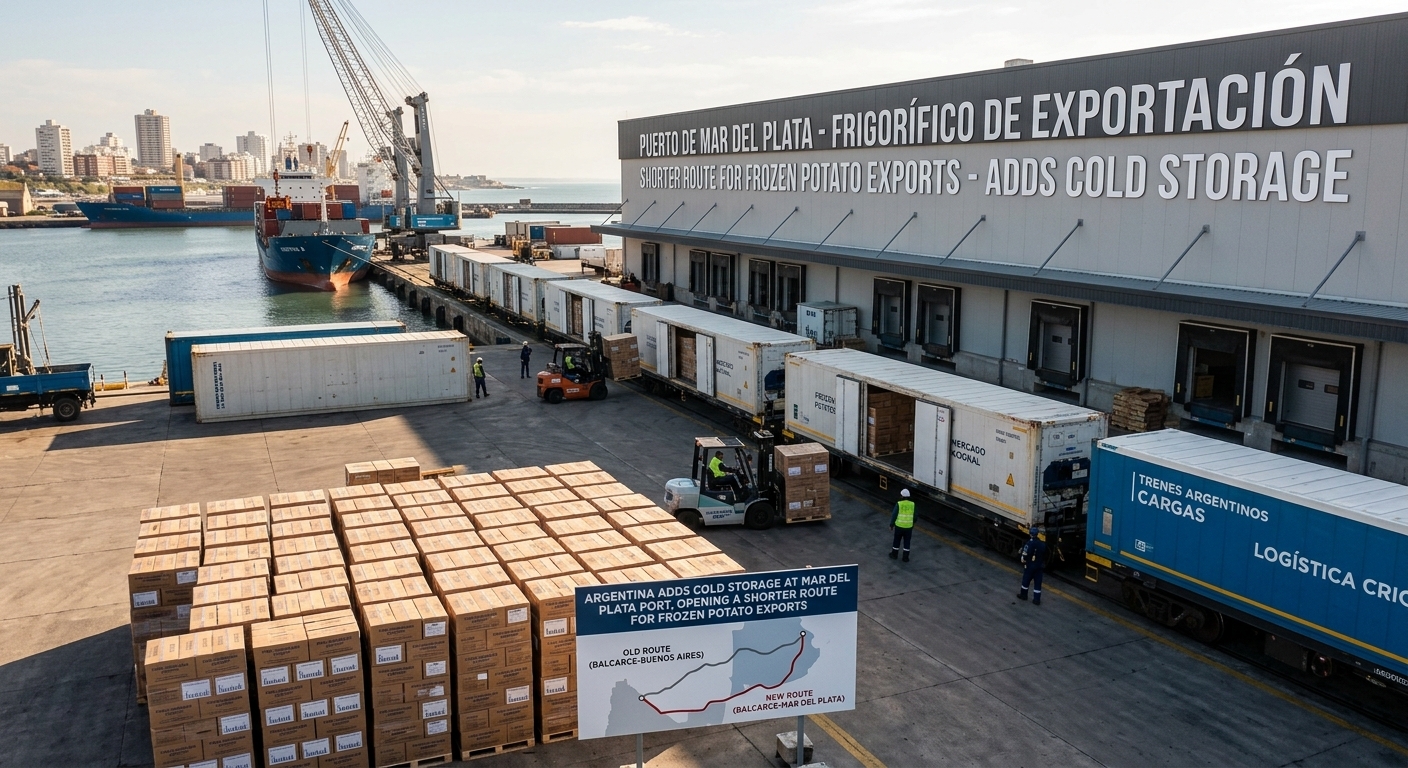
A new logistics and cold storage facility has started operating inside the Port of Mar del Plata. Provincial authorities present “Punto Cero” as the missing link between the food processing industry of southeastern Buenos Aires province and seaborne export. For Argentina’s potato sector, it could mean a considerably shorter haul from the french fry plant to the ship’s side.
What was built
The facility sits within the port’s jurisdiction, on a site of roughly 10,000 square metres in the area locally known as the former “Manzana de los Circos.” Its cold chamber operates at –25 °C and can hold up to 5,000 tonnes of cargo at a time — around 200 forty-foot reefer containers in the units exporters actually think in.
Beyond refrigeration capacity, the site includes digital and sanitary traceability systems, allowing each consignment to be identified and tracked throughout its stay. For product headed to markets with strict cold-chain documentation requirements, that is not a nice-to-have but a condition of market access.
Weekdays. Unsubscribe in one click.
The 400-kilometre argument
The economics of the project come down to one number. Today, a large share of frozen product from the southeast of the province is exported through terminals in the Buenos Aires metropolitan area, meaning roughly 400 kilometres of road haulage before the cargo reaches a loading berth. Javier Rodríguez, the province’s Minister of Agrarian Development, made exactly this point at the opening: the investment should spare part of that flow the trip.
For frozen goods, each of those runs is more than a trucking rate. Reefer haulage, transloading, waiting time at the terminal — every one of those is a point where temperature can drift and quality with it. Shortening the leg cuts cost and trims the chain of risk at the same time.
Why the potato sector is watching
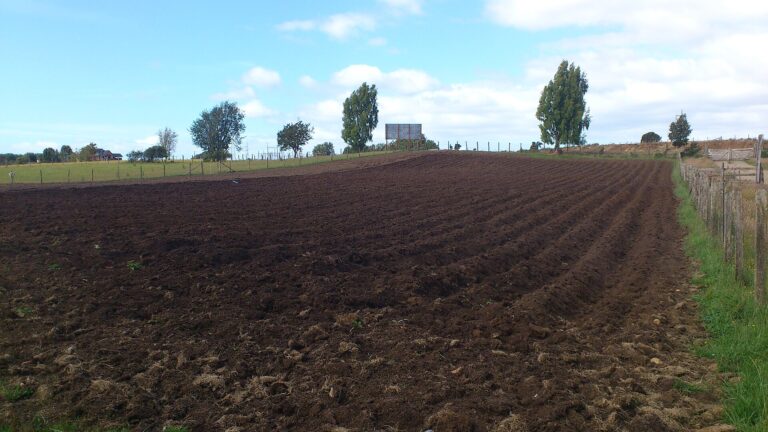
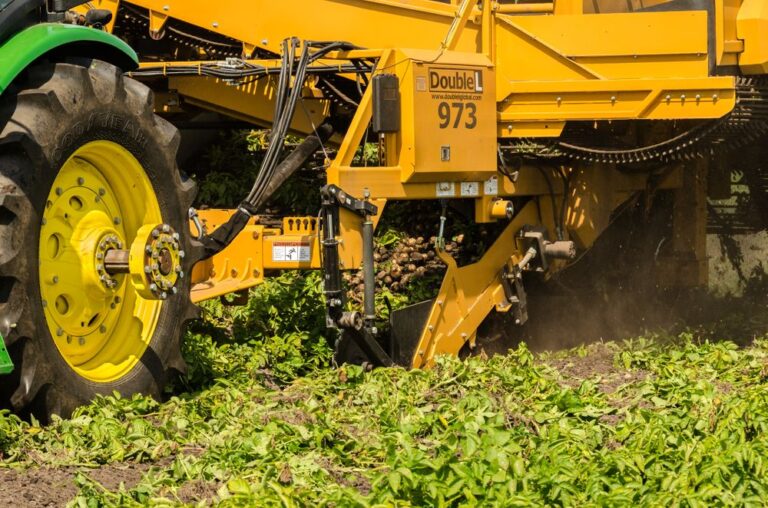
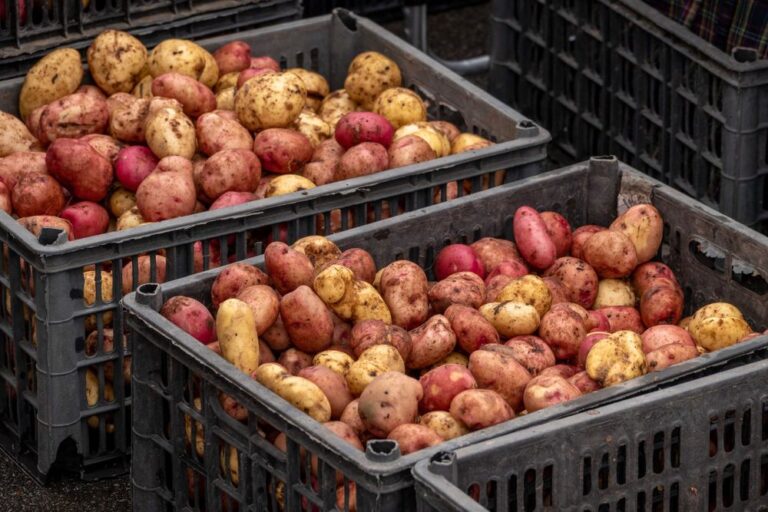
Southeastern Buenos Aires province is the core of Argentine potato production. The same region — around Balcarce and Mar del Plata — also concentrates the country’s processing capacity, including frozen french fry production, by some distance the most export-oriented segment of the Argentine potato chain.
Until now, the physical proximity of field, factory and sea has not translated into a logistics advantage. The port lacked the cold storage to hold export volumes, so consignments were trucked toward Buenos Aires regardless. A warehouse inside the port perimeter, close to the loading area, makes it possible to accumulate and consolidate export lots on site — and, in principle, to ship directly.
Tellingly, the fishing industry is named as the first and principal user of the new facility, having historically been the main customer for cold storage in Mar del Plata. Potato processing is, for the moment, the second claimant. How much it ends up using the infrastructure depends on factors well outside the warehouse walls.
Why cold storage alone is not enough
Some caution is warranted here: a cold store does not create exports on its own. Mar del Plata has historically been a weak container port, and for Punto Cero to genuinely reshape potato export logistics, several conditions have to line up.
Volume. A shipping line needs a predictable, sufficient flow of cargo to justify a port call. Scattered lots from a handful of plants will not do it; consolidation is the precondition.
Maritime service. Regular sailings at acceptable frequency, with direct or short-transit routings to target markets. Without them, the cargo will simply go back to where the ships actually are.
Empty reefer availability. If containers have to be repositioned to Mar del Plata from the metropolitan area, the savings on 400 kilometres of trucking are partly or entirely eaten by equipment costs.
Overall port cost structure. Exporters compare landed cost at destination, not kilometres saved.
The bottom line
Punto Cero is not a guarantee of export growth; it is a tool that makes such growth possible. It removes one of the physical constraints that has kept southeastern Buenos Aires from shipping processed potato through its own nearest seaport. Whether that possibility turns into tonnage will be decided by shipping lines, container equipment availability, and the industry’s ability to assemble a critical mass of cargo.
Source: DataPortuaria / Port of Mar del Plata; based on reporting by Argenpapa, 4 September 2026.