
Algeria: Potato Output Up 39% Since 2010 to 4.6 Mt on Yield Gains
FAOSTAT data show Algerian potato production rose from 3.3 to 4.6 million tonnes between 2010 and 2024. Yield rose to 33.9 t/ha, driven by irrigated desert farming.
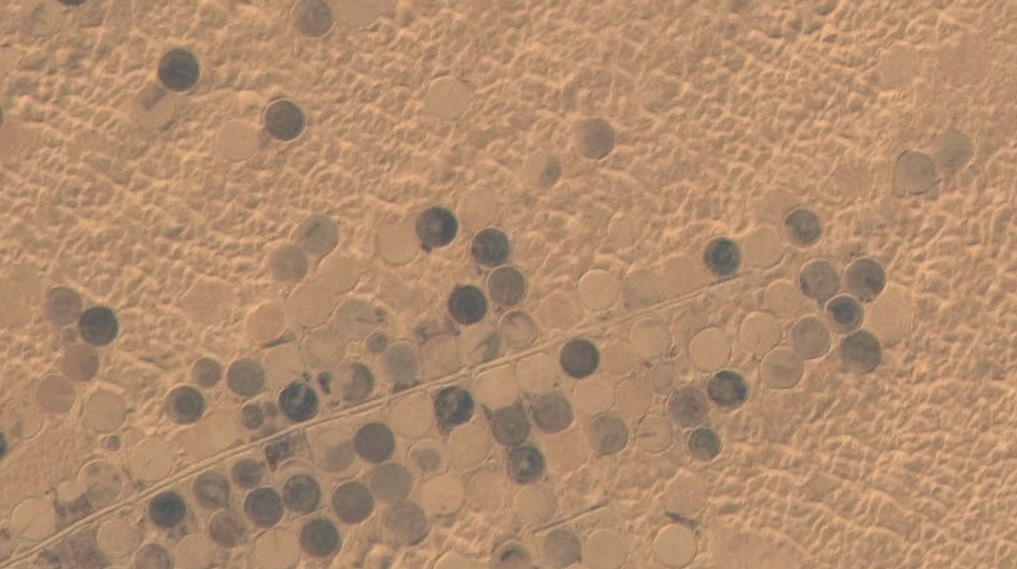
Algeria produced 4.60 million tonnes of potatoes in 2024, according to FAOSTAT. In 2010 it produced 3.30 million tonnes. That is an increase of about 39%.
Most of the growth came from yield. The average yield rose from 27.1 t/ha in 2010 to 33.9 t/ha in 2024. The implied harvested area in 2024 was about 135,000 hectares.
The trend was not smooth. Output peaked at 5.02 million tonnes in 2019. It fell to 4.32 million tonnes in 2022 and recovered to 4.66 million tonnes in 2023. The 2024 figure was slightly lower again.
Weekdays. Unsubscribe in one click.
The desert pivot model
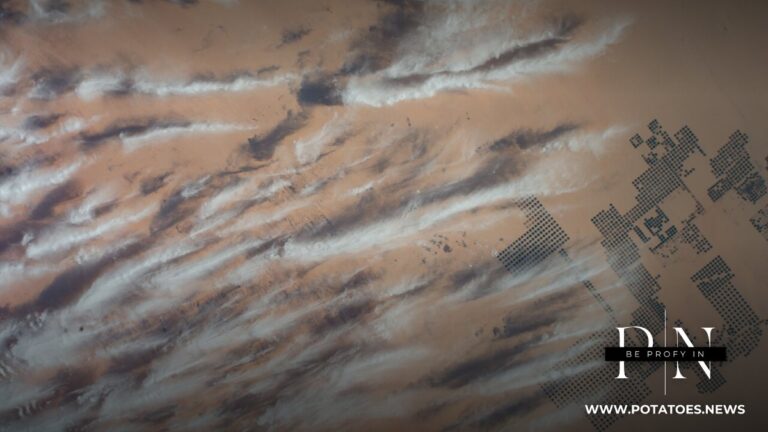
A large part of the gain comes from El Oued, a Saharan province. A 2017 Wageningen Research report studied the region. It found about 35,000 hectares of potatoes and roughly 47,000 registered farmers there. The report said El Oued supplied around 40% of national production.
Farms in El Oued use centre pivots of about 0.9 hectares. Most growers run 5 to 10 pivots. The same report counted more than 120,000 permanent and seasonal jobs linked to the crop.
The coastal and northern regions remain important. The warm climate allows several seasons per year. The main season is planted from January to March. A late season is planted in August or September and harvested in December.
Seed, storage and processing gaps
Algeria still depends heavily on imported seed. The Wageningen report estimated this dependency at about 70%, mainly from the Netherlands. Seed is imported once a year.
Storage is the second weak point. The state runs a regulation scheme called SYRPALAC. It supports storage of surplus potatoes to smooth prices between seasons. The same report noted few stores in El Oued, where tubers are kept in the soil for one to three months at most.
Processing is small. According to the 2017 report, less than 1% of Algerian potatoes went to factories.
Why it matters
Algeria is now one of the largest potato producers in Africa, behind Egypt. Its yields match many European countries. But the system depends on imported seed and on irrigation water in the desert. For seed exporters, the market is large and seasonal. For processors, the low processing share leaves room for growth, if stable supply and storage can be secured.
Photo: Centre-pivot irrigated fields around El Oued, Algeria, seen from space (illustrative). NASA / Wikimedia Commons, Public domain