The Aflou district in Algeria has started its seasonal potato harvest. Local agricultural services expect 877,100 quintals from 3,032 hectares.
The forecast was reported on 15 September by L’Express DZ and Algérie Eco. It covers the 2025-2026 agricultural season.
One quintal equals 100 kilograms. The expected crop is therefore about 87,700 tonnes.
Aflou is a highland district in Laghouat province. The potato area is spread across 12 municipalities.
Leading municipalities
Gueltat Sidi-Saad is the largest producer. It has 1,511 hectares and expects 423,080 quintals.
Hadj-Mecheri follows with 447 hectares and 125,160 quintals. Oued-Morra has 303 hectares and expects 84,840 quintals. Sebgag has 199.5 hectares and 55,860 quintals.
Marketing and storage
The harvest will continue until November. The provincial governor asked officials to organise direct sales from producers to wholesalers. The aim is to ease market entry and limit margins.
Cold storage supports price regulation. A cold store complex in the area has a capacity of 10,000 cubic metres.
One investment in the district uses 250 hectares for seed potato production. It provides 50 permanent jobs and about 200 seasonal jobs.
Smaller area than last year
Last season, Aflou harvested 1.4 million quintals from 4,800 hectares, according to Maghreb Emergent in November 2025. Yields then reached 300 to 500 quintals per hectare in some fields.
That record crop caused oversupply and a fast fall in prices. The public agency SARPA raised its potato purchases from 40,000 to 200,000 quintals under pressure from farmers.
This season, the planted area in Aflou is about 37% smaller than last year.
Why it matters
Algeria has struggled with sharp swings in potato prices. Highland districts such as Aflou supply the market in autumn. A smaller area may reduce the risk of another glut this year. Direct sales and cold storage are the main tools to protect farm income. The seed investment also supports the national aim to rely less on imported seed.
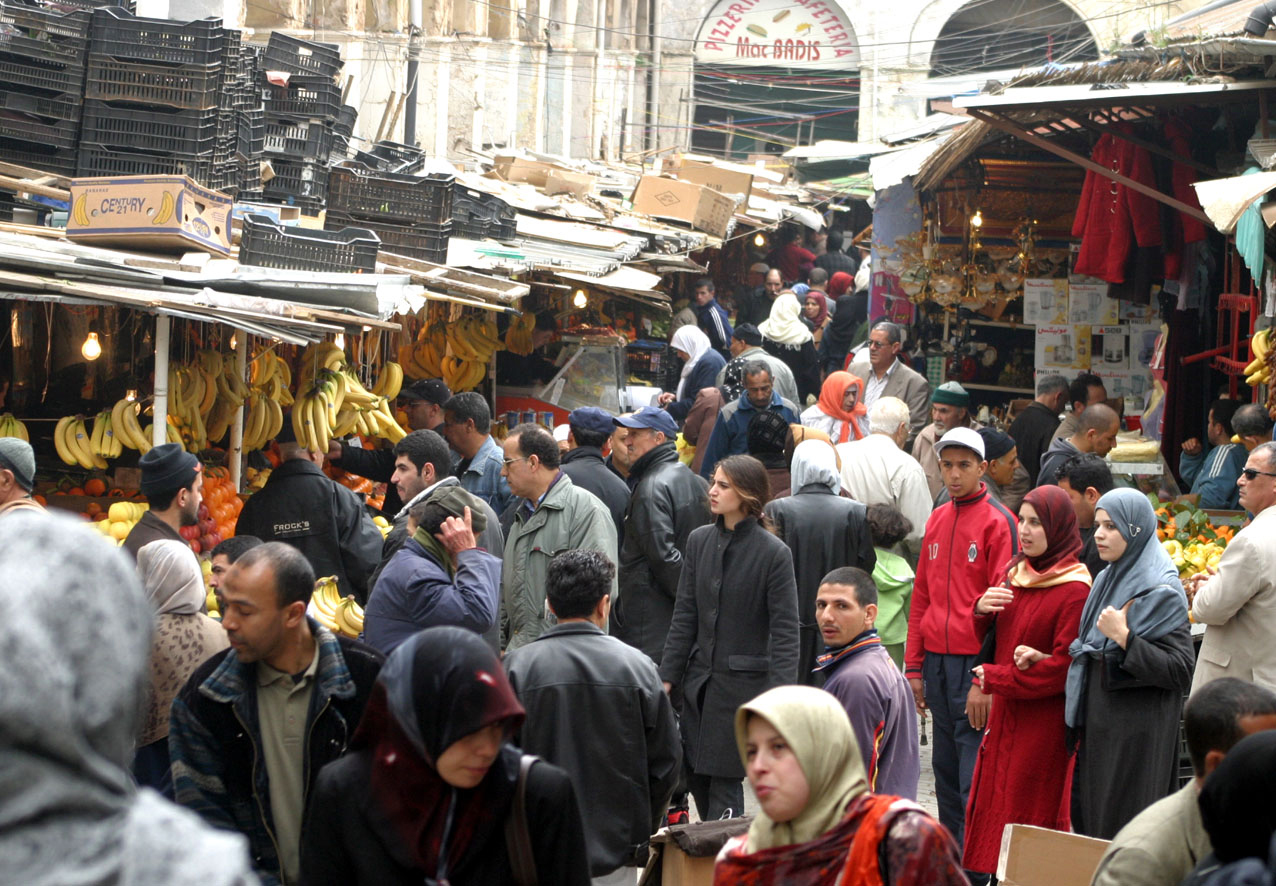
Photo: A produce market in Algeria (illustrative). Magharebia / Wikimedia Commons, CC BY 2.0