Ag department awards $1.8 million in specialty crop grants
POCATELLO — Interest in the Idaho State Department of Agriculture’s annual specialty crop program was up considerably this year compared with last year.
ISDA has announced it will award a total of $1.8 million this year to 17 different projects that aim to benefit specialty crop growers in Idaho.
The money will be used to promote, market and conduct research for the state’s potato, dry bean, wine grape, onion, cherry, apple, hops and nursery industries.
Weekdays. Unsubscribe in one click.
ISDA awards money each year through its specialty crop block grant program, which is funded by USDA.
The program is designed to solely benefit specialty crops, which include vegetables, fruits, tree nuts, dried fruits, nursery and horticulture crops.
ISDA received a total of 29 applications for its specialty crop block grant program this year, more than double the 15 applications it received last year. Combined, this year’s applications sought a total of $3.7 million, much more than the $2 million in total funding sought last year.
ISDA funded 13 total projects last year.
Since the program was created in 2009, ISDA has awarded a total of $14.7 million to 150 projects designed to benefit specialty crop farmers in Idaho.
“We are grateful for the many years we have been able to facilitate this unique funding program,” said ISDA Director Celia Gould. “This year it is perhaps even more important. Specialty crop growers across Idaho have faced significant challenges, and we hope these strategic investments in the industry will pay dividends for years to come.”
The grants have helped some of the state’s specialty crop industries, such as Idaho’s wine grape industry, to fund a lot of promotion, marketing and research projects that they otherwise could not afford to do.
“We rely so heavily on these grants to help us with our ongoing efforts to market and promote Idaho wine,” said Idaho Wine Commission Executive Director Moya Shatz-Dolsby.
The wine commission this year will receive a $191,000 grant to promote Idaho wine and improve its perception. This year’s grant is sorely needed since the Idaho wine industry’s premiere promotional event — Savor Idaho — was canceled due to the coronavirus outbreak.
“We are so grateful and thankful to receive a grant this year,” Shatz-Dolsby said.
The Idaho Bean Commission has also received several specialty crop grants over the years that have helped it fund projects it otherwise could not afford to fund on its $200,000 per year budget, said IBC Administrator Andi Woolf-Weibye.
The bean commission this year will receive a $90,000 grant that will help fund a project that seeks to develop rapid molecular diagnostic tests that could help dry bean farmers quickly respond to disease outbreaks in their crops.
The project will develop tests for certain bacterial diseases of beans that can cause massive yield losses in severe outbreaks.
“Depending on the time of year, it currently can take a considerable amount of time to test for these pathogens,” Woolf-Weibye said. “Being able to quickly respond to crop disease outbreaks is super important for growers and this project has the potential to help prevent crop losses associated with certain bacterial diseases of beans.”
The College of Idaho was awarded an $87,000 grant to collect and identify non-honeybee pollinators in southwest Idaho. The college will work in conjunction with Caldwell vineyard owner Ron Bitner, who is also a bee biologist.
Bitner said there are roughly 500 non-honeybee pollinators in Idaho and these largely unknown pollinators could greatly assist some specialty crops with pollination.
“This project will help farmers understand they’ve got free pollination all around them,” Bitner said.
Northwest Nazarene University will receive a $132,000 grant to help the university’s Robotics Vision Lab in its effort to develop a fruit harvesting robot prototype known as OrBot (Orchard Robot).
According to the grant application, “The goal is to develop a technology that will support fruit growers during harvesting, especially with growing labor shortages and increasing labor cost.”
Boise State University will receive a $107,000 grant for a project that will measure E. coli in irrigation canals in an effort to help Idaho specialty crop growers comply with FDA’s Produce Safety Rule.
The Idaho Apple Commission was awarded a $150,000 grant to help fund a project led by University of Idaho’s pomology program to study the feasibility of converting tall apple tree orchards into short, high-density orchards in which the tops of the trees can be reached from the ground level without the use of a ladder.
The apple commission was also awarded a $65,000 grant to build awareness and demand for Idaho apples through media and retail promotions.
The Idaho Cherry Commission will receive a $22,000 grant to increase sales of Idaho cherries through in-store promotions and the use of social media.
Do you LOVE local news? Get Local News Headlines in your inbox daily.
Yes! Include special offer & contest announcement emails
The Idaho-Eastern Oregon Onion Committee was awarded a $134,000 grant to help fund a project with the University of Idaho and Oregon State University that seeks to develop integrated disease management strategies for pink root disease in onions.
The Idaho-Eastern Oregon area is the nation’s largest big bulb onion producing region and pink root is the most devastating disease of onions in the Treasure Valley area. It is present in 85 percent of onion fields there and capable of causing yield losses of up to 50 percent.
The onion committee was also awarded a $112,000 grant to increase awareness and sales of Idaho-Eastern Oregon onions in international and domestic markets.
The Idaho Hop Growers Association will receive a $40,000 grant for a two-year project designed to create awareness of Idaho hops through summer tours, social media and newsletters.
Idaho ranks No. 2 in hop production in the United States.
ISDA will award the Idaho Nursery and Landscape Association a $135,000 grant to help fund a project in conjunction with the University of Idaho that seeks to develop new and superior water-conserving native plant products for the state’s landscape nursery industry. The project will also help with the propagation and commercialization of these new-generation native plant products.
ISDA’s Idaho Preferred program will receive a $164,000 grant to market Idaho specialty crops through the use of advertising, social media, public relations and retail promotions.
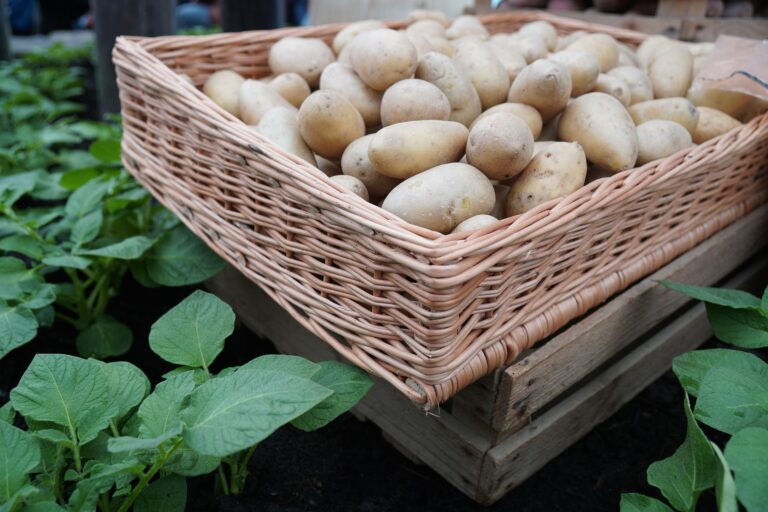
The University of Idaho will receive a $139,000 grant to develop sophisticated disease surveillance methods to safeguard potato soil health in Idaho. Potatoes are the No. 1 crop in Idaho in terms of total farm-gate receipts and Idaho is the nation’s top potato-producing state.
According to the application for that grant, pathogens harmful to potatoes are a constant threat to spuds and the management of soil-borne diseases can account for more than 10 percent of potato farmers’ production costs.
The Idaho Potato Commission was awarded a $130,000 grant to help establish retail sampling programs in the United Kingdom. The programs are designed to increase dehydrated potato exports to the U.K.
According to the application for that grant, “Sampling and other marketing programs and activities will be developed to increase consumer awareness of the dehydrated products coming from Idaho. … The dehydrated product coming out of Idaho is very different from the local dehydrated flakes produced in the U.K. It is the IPC’s belief that through sampling events, we can change consumers’ perception of dehydrated mashed potatoes and increase consumption of Idaho products.”
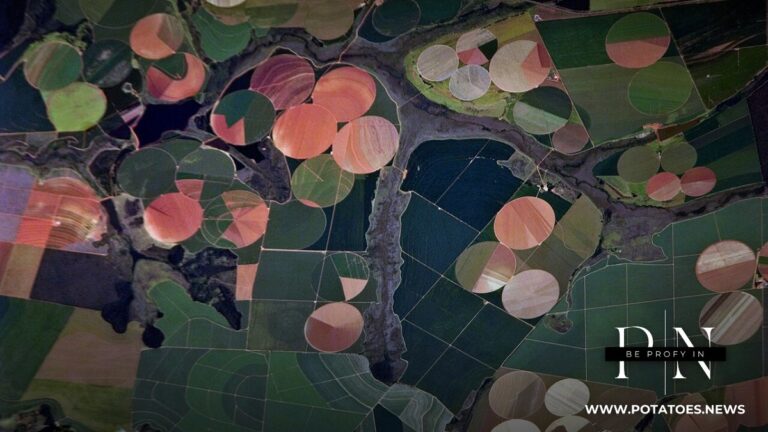
Idaho State University was awarded a $98,000 grant to conduct field trials for an automated early season potato virus Y detection system. ISU researchers will use unmanned aircraft systems equipped with a specialized sensor to detect and map individual PVY infected plants. The ultimate goal is to develop a low-cost solution for growers to rapidly detect and mitigate for PVY.
The Snake River Seed Cooperative was awarded a $10,000 grant to help fund a project designed to increase the economic return of specialty crop seed production by acquiring upgraded tools for seed cleaning and germination testing. The SRSC is a group of 34 farmers that produce local seeds that are put in garden packets and sold at retail nurseries around the state. Most of the seeds are sold to backyard gardeners while some are purchased by small-scale farmers.
That project, according to the grant application, seeks to enable those producers “to continue to meet the growing demand for sustainably grown and regionally adapted seed.”
POCATELLO — Interest in the Idaho State Department of Agriculture’s annual specialty crop program was up considerably this year compared with last year.
ISDA has announced it will award a total of $1.8 million this year to 17 different projects that aim to benefit specialty crop growers in Idaho.
The money will be used to promote, market and conduct research for the state’s potato, dry bean, wine grape, onion, cherry, apple, hops and nursery industries.
ISDA awards money each year through its specialty crop block grant program, which is funded by USDA.
The program is designed to solely benefit specialty crops, which include vegetables, fruits, tree nuts, dried fruits, nursery and horticulture crops.
ISDA received a total of 29 applications for its specialty crop block grant program this year, more than double the 15 applications it received last year. Combined, this year’s applications sought a total of $3.7 million, much more than the $2 million in total funding sought last year.
ISDA funded 13 total projects last year.
Since the program was created in 2009, ISDA has awarded a total of $14.7 million to 150 projects designed to benefit specialty crop farmers in Idaho.
“We are grateful for the many years we have been able to facilitate this unique funding program,” said ISDA Director Celia Gould. “This year it is perhaps even more important. Specialty crop growers across Idaho have faced significant challenges, and we hope these strategic investments in the industry will pay dividends for years to come.”
The grants have helped some of the state’s specialty crop industries, such as Idaho’s wine grape industry, to fund a lot of promotion, marketing and research projects that they otherwise could not afford to do.
“We rely so heavily on these grants to help us with our ongoing efforts to market and promote Idaho wine,” said Idaho Wine Commission Executive Director Moya Shatz-Dolsby.
The wine commission this year will receive a $191,000 grant to promote Idaho wine and improve its perception. This year’s grant is sorely needed since the Idaho wine industry’s premiere promotional event — Savor Idaho — was canceled due to the coronavirus outbreak.
“We are so grateful and thankful to receive a grant this year,” Shatz-Dolsby said.
The Idaho Bean Commission has also received several specialty crop grants over the years that have helped it fund projects it otherwise could not afford to fund on its $200,000 per year budget, said IBC Administrator Andi Woolf-Weibye.
The bean commission this year will receive a $90,000 grant that will help fund a project that seeks to develop rapid molecular diagnostic tests that could help dry bean farmers quickly respond to disease outbreaks in their crops.
The project will develop tests for certain bacterial diseases of beans that can cause massive yield losses in severe outbreaks.
“Depending on the time of year, it currently can take a considerable amount of time to test for these pathogens,” Woolf-Weibye said. “Being able to quickly respond to crop disease outbreaks is super important for growers and this project has the potential to help prevent crop losses associated with certain bacterial diseases of beans.”
The College of Idaho was awarded an $87,000 grant to collect and identify non-honeybee pollinators in southwest Idaho. The college will work in conjunction with Caldwell vineyard owner Ron Bitner, who is also a bee biologist.
Bitner said there are roughly 500 non-honeybee pollinators in Idaho and these largely unknown pollinators could greatly assist some specialty crops with pollination.
“This project will help farmers understand they’ve got free pollination all around them,” Bitner said.
Northwest Nazarene University will receive a $132,000 grant to help the university’s Robotics Vision Lab in its effort to develop a fruit harvesting robot prototype known as OrBot (Orchard Robot).
According to the grant application, “The goal is to develop a technology that will support fruit growers during harvesting, especially with growing labor shortages and increasing labor cost.”
Boise State University will receive a $107,000 grant for a project that will measure E. coli in irrigation canals in an effort to help Idaho specialty crop growers comply with FDA’s Produce Safety Rule.
The Idaho Apple Commission was awarded a $150,000 grant to help fund a project led by University of Idaho’s pomology program to study the feasibility of converting tall apple tree orchards into short, high-density orchards in which the tops of the trees can be reached from the ground level without the use of a ladder.
The apple commission was also awarded a $65,000 grant to build awareness and demand for Idaho apples through media and retail promotions.
The Idaho Cherry Commission will receive a $22,000 grant to increase sales of Idaho cherries through in-store promotions and the use of social media.
The Idaho-Eastern Oregon Onion Committee was awarded a $134,000 grant to help fund a project with the University of Idaho and Oregon State University that seeks to develop integrated disease management strategies for pink root disease in onions.
The Idaho-Eastern Oregon area is the nation’s largest big bulb onion producing region and pink root is the most devastating disease of onions in the Treasure Valley area. It is present in 85 percent of onion fields there and capable of causing yield losses of up to 50 percent.
The onion committee was also awarded a $112,000 grant to increase awareness and sales of Idaho-Eastern Oregon onions in international and domestic markets.
The Idaho Hop Growers Association will receive a $40,000 grant for a two-year project designed to create awareness of Idaho hops through summer tours, social media and newsletters.
Idaho ranks No. 2 in hop production in the United States.
ISDA will award the Idaho Nursery and Landscape Association a $135,000 grant to help fund a project in conjunction with the University of Idaho that seeks to develop new and superior water-conserving native plant products for the state’s landscape nursery industry. The project will also help with the propagation and commercialization of these new-generation native plant products.
ISDA’s Idaho Preferred program will receive a $164,000 grant to market Idaho specialty crops through the use of advertising, social media, public relations and retail promotions.
The University of Idaho will receive a $139,000 grant to develop sophisticated disease surveillance methods to safeguard potato soil health in Idaho. Potatoes are the No. 1 crop in Idaho in terms of total farm-gate receipts and Idaho is the nation’s top potato-producing state.
According to the application for that grant, pathogens harmful to potatoes are a constant threat to spuds and the management of soil-borne diseases can account for more than 10 percent of potato farmers’ production costs.
The Idaho Potato Commission was awarded a $130,000 grant to help establish retail sampling programs in the United Kingdom. The programs are designed to increase dehydrated potato exports to the U.K.
According to the application for that grant, “Sampling and other marketing programs and activities will be developed to increase consumer awareness of the dehydrated products coming from Idaho. … The dehydrated product coming out of Idaho is very different from the local dehydrated flakes produced in the U.K. It is the IPC’s belief that through sampling events, we can change consumers’ perception of dehydrated mashed potatoes and increase consumption of Idaho products.”
Idaho State University was awarded a $98,000 grant to conduct field trials for an automated early season potato virus Y detection system. ISU researchers will use unmanned aircraft systems equipped with a specialized sensor to detect and map individual PVY infected plants. The ultimate goal is to develop a low-cost solution for growers to rapidly detect and mitigate for PVY.
The Snake River Seed Cooperative was awarded a $10,000 grant to help fund a project designed to increase the economic return of specialty crop seed production by acquiring upgraded tools for seed cleaning and germination testing. The SRSC is a group of 34 farmers that produce local seeds that are put in garden packets and sold at retail nurseries around the state. Most of the seeds are sold to backyard gardeners while some are purchased by small-scale farmers.
That project, according to the grant application, seeks to enable those producers “to continue to meet the growing demand for sustainably grown and regionally adapted seed.”