• About Us
  • RSS Feed
  • Advertise
  • Contact
Friday, October 9, 2026
  • Login
No Result
View All Result
Potatoes.News
  • News
  • Agrotechnology
    • Agronomy
    • Growing seeds
    • Fertilizers and pesticides
    • Equipment in the field
  • Harvesting
  • Processing
  • Equipment
    • Equipment in the field
    • Equipment for storage
    • Equipment for packing
  • Diseases
  • Regions
    • Europe
    • America
    • Asia
    • Africa
    • Australia and Oceania
  • Events
  • IPT
  • Nutrition
  • News
  • Agrotechnology
    • Agronomy
    • Growing seeds
    • Fertilizers and pesticides
    • Equipment in the field
  • Harvesting
  • Processing
  • Equipment
    • Equipment in the field
    • Equipment for storage
    • Equipment for packing
  • Diseases
  • Regions
    • Europe
    • America
    • Asia
    • Africa
    • Australia and Oceania
  • Events
  • IPT
  • Nutrition
No Result
View All Result
Potatoes.News
No Result
View All Result

A Way to Create Eco-friendly Plastic From Potato Waste

by T.G. Lynn
31.05.2022
in News
0
Plastic
0
SHARES
0
VIEWS
Share on Facebook
Share on Twitter

Since its founding in 2011, global manufacturer BioLogiQ has been working on a way to create eco-friendly plastic products made from renewable materials like potato waste.

“[…] We started making plastic from potato waste, specifically the starch from the potato waste,” BioLogiQ CEO Steven Sherman recently told the Idaho Statesman.

Traditional plastics are composed of polymers – a substance consisting of large molecules repeated many times – such as polyethylene and polystyrene. These polymers can take hundreds of years to degrade.

Morning industry digest The day’s essentials in one email.

Weekdays. Unsubscribe in one click.

BioLogiQ inserts its own “iQ technology” into other plastic products, called NuPlastiQ. The “iQ technology” contains substances like potato, corn starch, or naturally sourced glycerin obtained from vegetable oils and animal fats.

When BioLogiQ’s technology is combined with other plastic products, it allows the plastics to degrade faster because microorganisms that eat the plastics have a much easier time breaking down things like starch and glycerin. Up to 30% of a product can include NuPlastiQ.

Plastics without BioLogiQ’s technology take so long to degrade because the molecules are too large for microorganisms to eat. Over time, the plastic eventually breaks down into smaller pieces due to fragmentation, caused by sunlight and oxidation, until it is finally small enough for microorganisms to eat.

More than 10m tons of plastic are dumped into the ocean every year, according to U.S.-based nonprofit Plastic Oceans International.

It can take more than 400 years for plastic to degrade, and 8.3bn metric tons of plastic have been manufactured since the mid-1900s, according to National Geographic. Disposing of such a large quantity of plastic waste in the environment has been a question that has stumped scientists for years.

News, analysis and the industry community

POTATOES NEWS brings you independent editorial news and analysis. PotatoWay is our connected professional network for people and companies in the potato industry.

Explore the PotatoWay community →
Tags: plastic

T.G. Lynn

Next Post
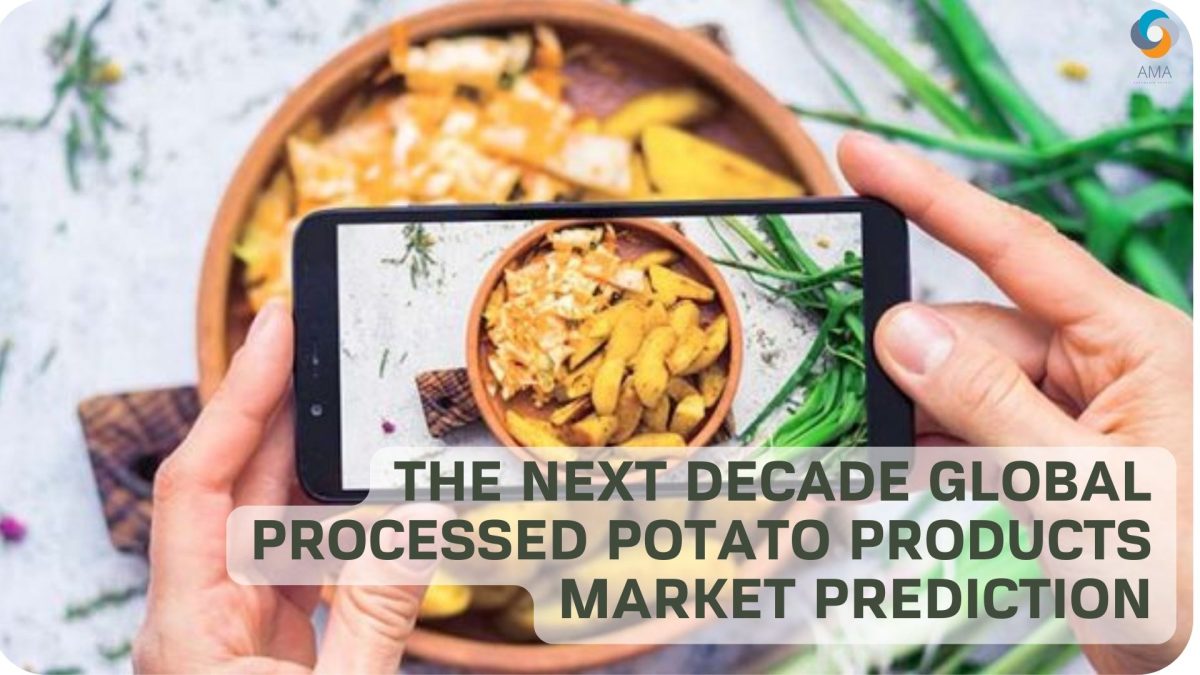
The Next Decade Global Processed Potato Products Market Prediction

The Next Decade Global Processed Potato Products Market Prediction

Popular News

world cup

Ukrainian drones set another Russian oil refinery ablaze as Putin admits fuel shortages

07.08.2026
earthquake

One week in, what exactly are America and Iran getting from their agreement?

08.08.2026
supercomputer

NASA races to save Swift telescope from falling back to Earth with daring rescue mission

09.08.2026
Lebanons deal

British Police Warn Drug Users Of “Extra Strong, IKEA Branded” Ecstasy Pills

10.08.2026
  • About Us
  • Work With Us
  • Privacy Policy
  • RSS feeds by language
  • Video
  • Potato Market Prices
  • Partners

Category

  • Africa
  • AGRONOMIC ARCHIVE
  • Agronomy
  • AGROTECHNOLOGY
  • America
  • Asia
  • Australia and Oceania
  • Climate
  • Company
  • Company history
  • Drone
  • Equipment for packing
  • Equipment for storage
  • Equipment in the field
  • Europe
  • Events and exhibitions
  • Exclusive Interview
  • Fertilizers and pesticides
  • FUTURE
  • Growing seeds
  • Harvesting
  • History of potato cultivation
  • IPT
  • IRRIGATION
  • Irrigation equipment
  • Irrigation technology
  • Keeping the harvest
  • Meteo
  • New potato variety
  • News
  • Packing
  • Podcast
  • Poll
  • POTATO 2.0
  • Potato diseases
  • Potato recipes
  • Processing
  • PROCESSING COMPANY
  • Products of processing of potatoes
  • Readers' calendar
  • Regions
  • rotation potato crops
  • Seeds
  • Smart
  • Soil
  • StartUp
  • Storages
  • The technology of processing potatoes
  • Unions and associations
  • World Potato Day
  • Сrop protection

Site Links

  • Log in
  • Entries feed
  • Comments feed
  • WordPress.org
  • About Us
  • Work With Us
  • Privacy Policy
  • RSS feeds by language
  • Video
  • Potato Market Prices
  • Partners

© 2026 JNews - Premium WordPress news & magazine theme by Jegtheme.

Welcome Back!

Login to your account below

Forgotten Password?

Retrieve your password

Please enter your username or email address to reset your password.

Log In
  • About Us
  • Work With Us
  • Privacy Policy
  • RSS feeds by language
  • Video
  • Potato Market Prices
  • Partners
📰 My digest — pick topics and read offline
No Result
View All Result
  • News
  • Agrotechnology
    • Agronomy
    • Growing seeds
    • Fertilizers and pesticides
    • Equipment in the field
  • Harvesting
  • Processing
  • Equipment
    • Equipment in the field
    • Equipment for storage
    • Equipment for packing
  • Diseases
  • Regions
    • Europe
    • America
    • Asia
    • Africa
    • Australia and Oceania
  • Events
  • IPT
  • Nutrition

© 2026 JNews - Premium WordPress news & magazine theme by Jegtheme.

POTATOES NEWS — news and analysis · PotatoWay — professional community
IP Geolocation by DB-IP