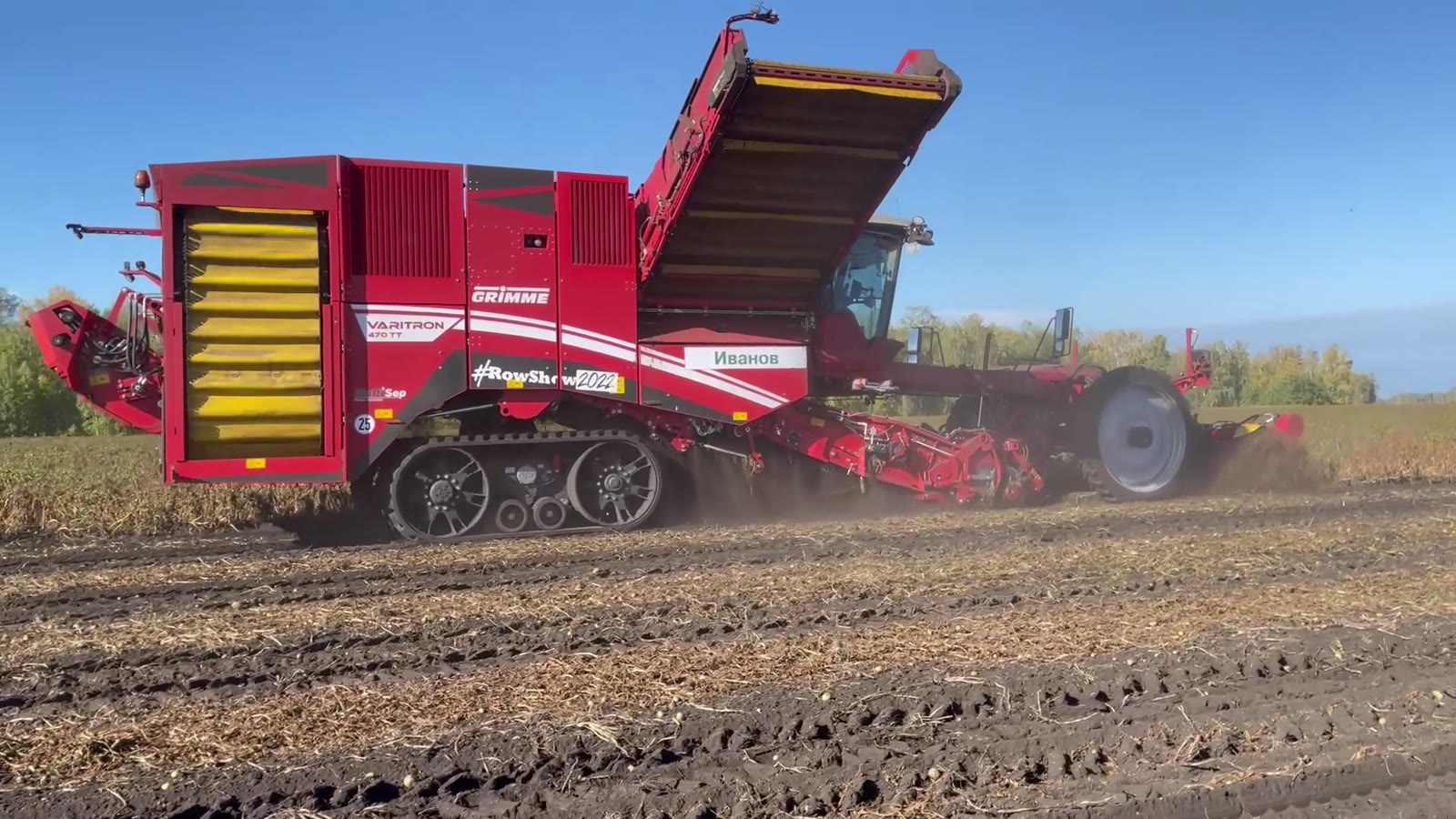
International Potato Tour Diaries · Russia
When Vyacheslav Nemirov joined the family farm while still studying, one of the first challenges he recalls was finding buyers for a small vegetable harvest. The business in Mitino, in Russia’s Kurgan Oblast, had started with a team that grew potatoes. In our 2025 interview, Nemirov traced how that team began growing other crops and learned to sell them.
A small first harvest
The business grew out of the Druzhba collective farm in the early 1990s. Nemirov recalled that the former collective split into separate operations and that his father, agronomist Aleksandr Nemirov, built ZAO Kartofel around its potato team. The Kurgan regional library records that the elder Nemirov had chaired Druzhba and went on to lead the new business.
Weekdays. Unsubscribe in one click.
By the late 1990s, the farm had planted its first vegetables alongside its potatoes. Nemirov remembered getting help from a seed supplier, raising a small crop and then going out to find customers. He had trained in economics and said he would have liked to have his father’s grounding in agronomy and chemistry. His father knew the agronomy. In that first season, the young economist remembers having to work out how they would sell what they grew.

What it took to grow carrots
By 2014 and 2015, the farm was comparing table carrot hybrids for yield and root size. In a 2016 paper, Aleksandr Nemirov and N. A. Nemirova documented how the farm used irrigation to keep the upper soil layer moist during warm, dry spells early in the season. They also described lifting the roots into containers to limit damage, storing them in a controlled environment and sorting and washing them before dispatch.
That field report gives a concrete example of what Nemirov’s first vegetable season grew into. The farm could compare hybrids in the field, then protect the marketable crop by limiting damage at harvest and sorting the roots before sale.
Preparing the crop for sale
In 2023, the farm opened a new washing and packing facility for its own produce. The Kurgan governor’s press service reported a design capacity of 340 metric tonnes per shift. Its account of a visit by federal agriculture officials described early carrots being prepared there for Ural retail chains, alongside a line that also handled potatoes and beetroot.
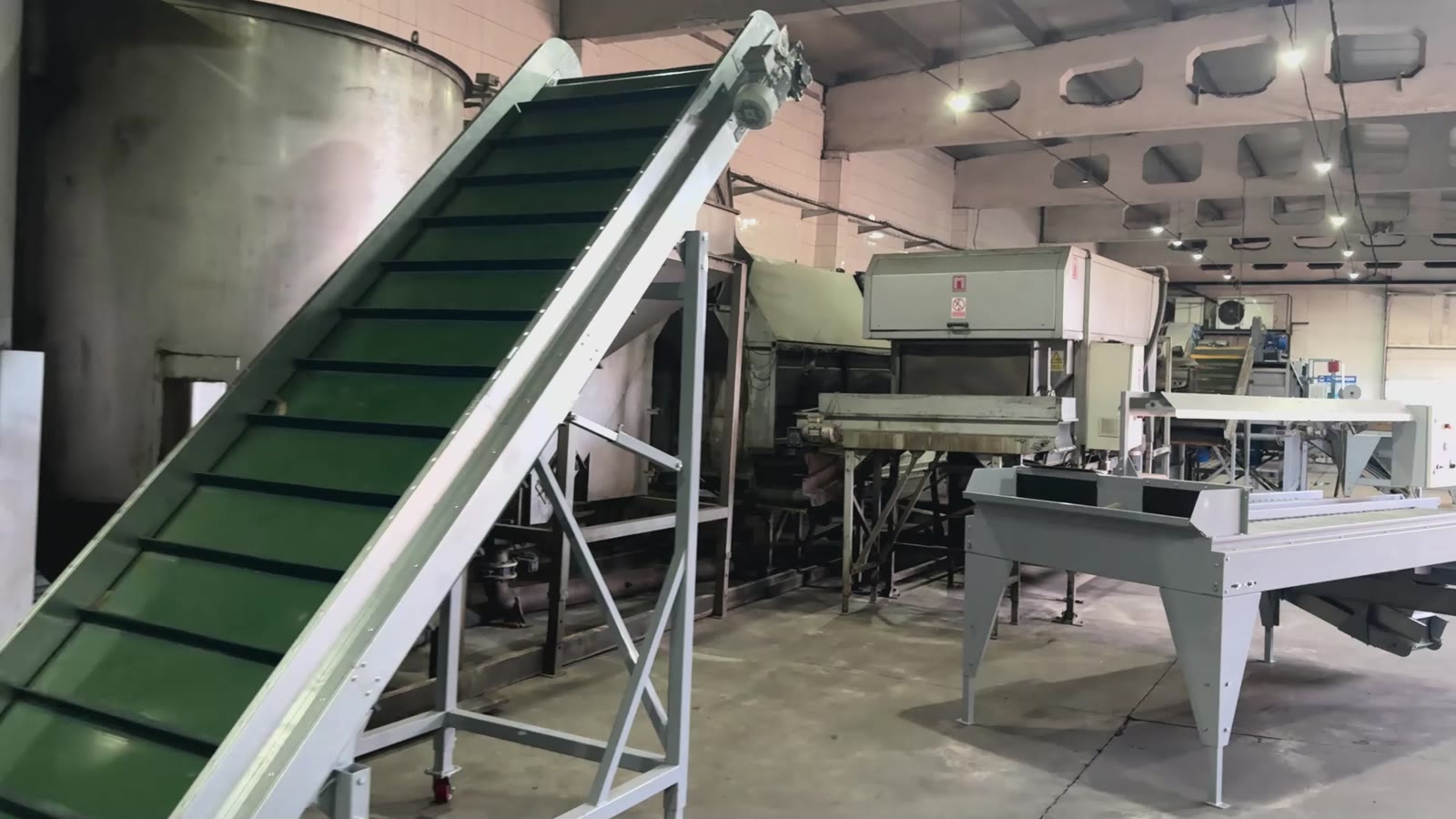
Nemirov remembered that first vegetable crop in terms of the customers he still had to find. The field-trial paper and the regional government’s account of the packing line pick up the story at two later points. Together, they show how much of the work of adding a crop happened after it came out of the ground.
Sources
International Potato Tour interview with Vyacheslav Nemirov, published October 2025
Kurgan regional library biography of Aleksandr Danilovich Nemirov, pages 145–147
Kurgan governor’s press service, February 2023 announcement on the washing and packing facility
Russian agriculture ministry bulletin, No. 9, 2023, report on the visit to ZAO Kartofel