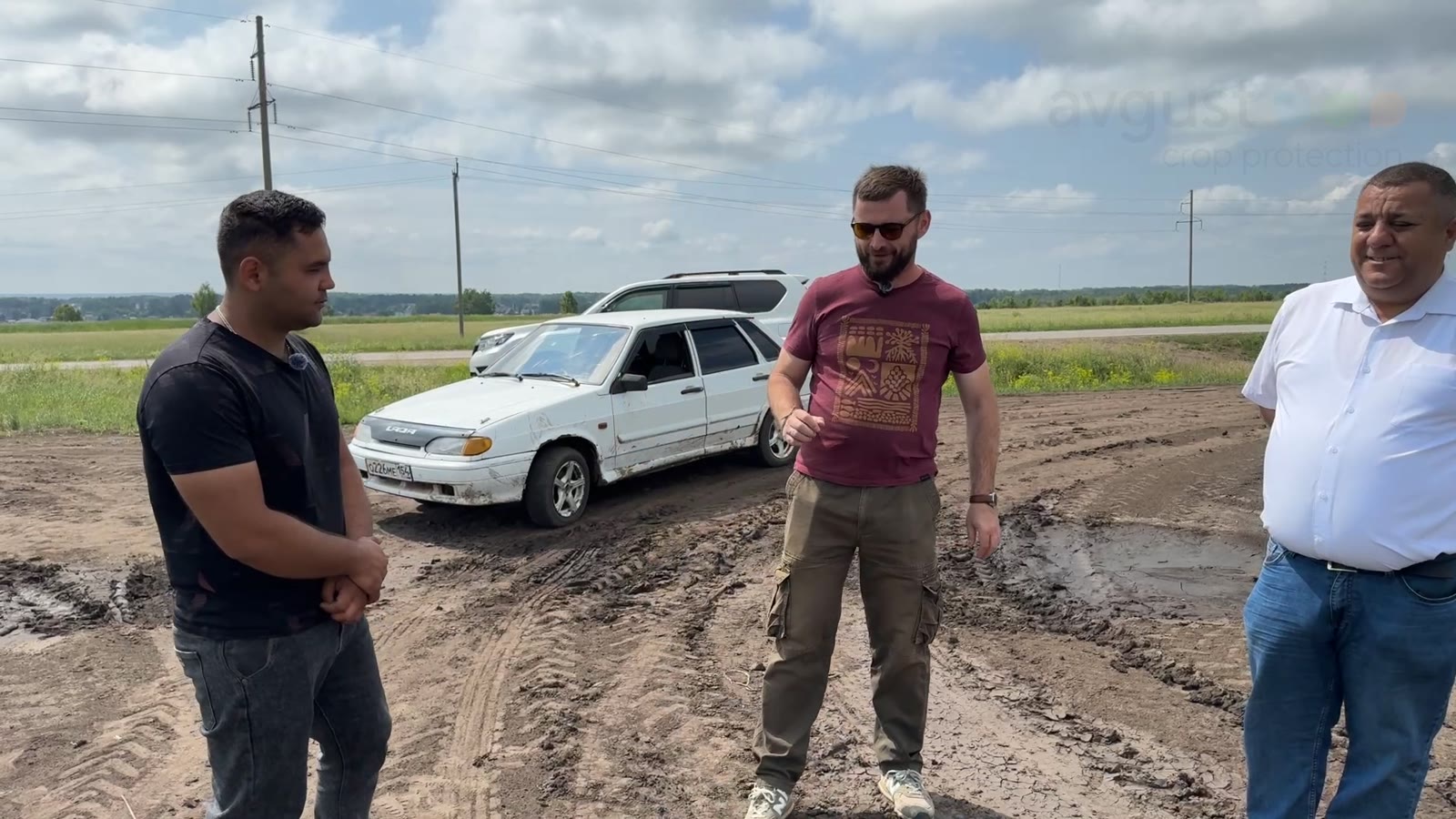
International Potato Tour Diaries · Kazakhstan
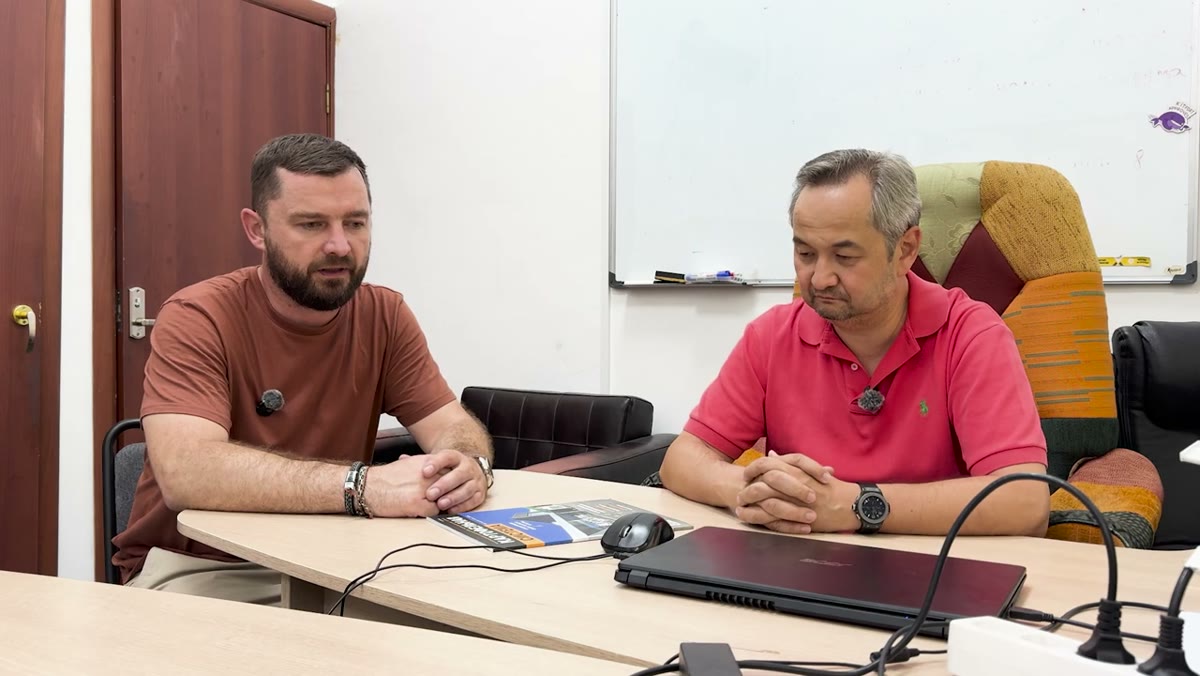
At Livingstone Kazakhstan, our conversation started with a question about what growers actually want to buy. Eldar Isataev told us that the company initially expected to sell minitubers from its laboratory and greenhouse. The growers it spoke with asked for seed at the stage he described as elite grade, ready for the next step in their own production programmes.
Who takes on the multiplication years?
A grower who buys minitubers takes responsibility for several seasons of multiplication before reaching that later seed grade. In the interview, Isataev recalled customers weighing that wait against the return they could get sooner with the seed they were already buying. Livingstone Kazakhstan decided to plant its own minitubers and carry the material further through multiplication.
Weekdays. Unsubscribe in one click.
Inside the laboratory
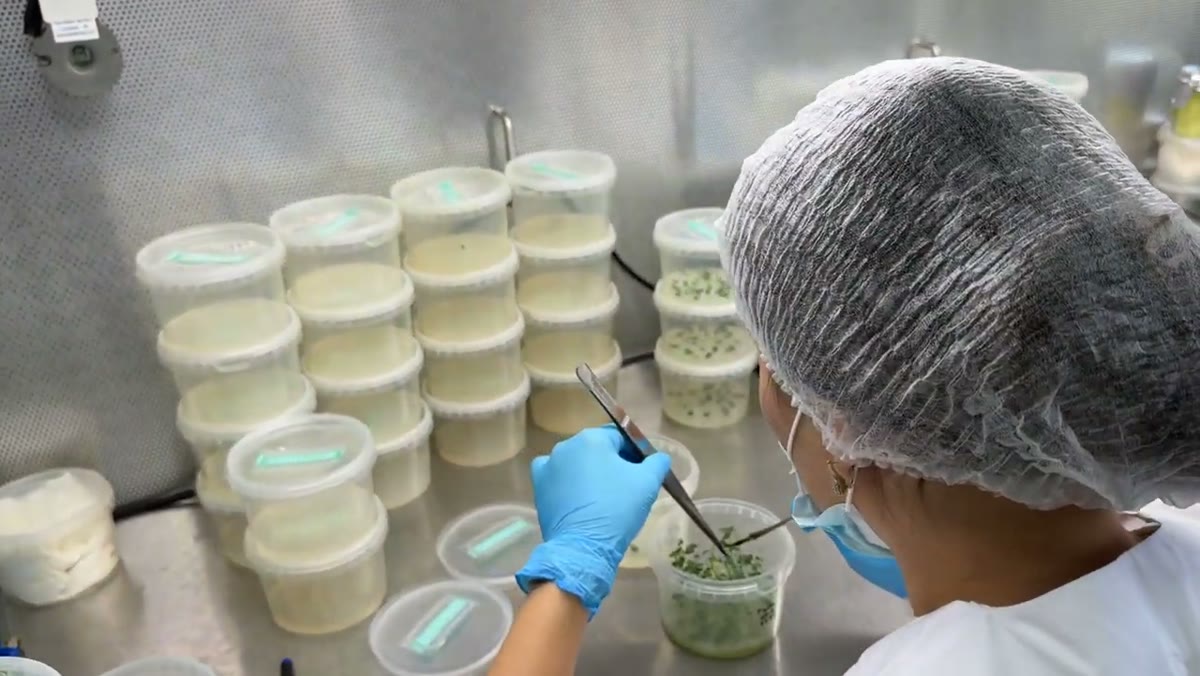
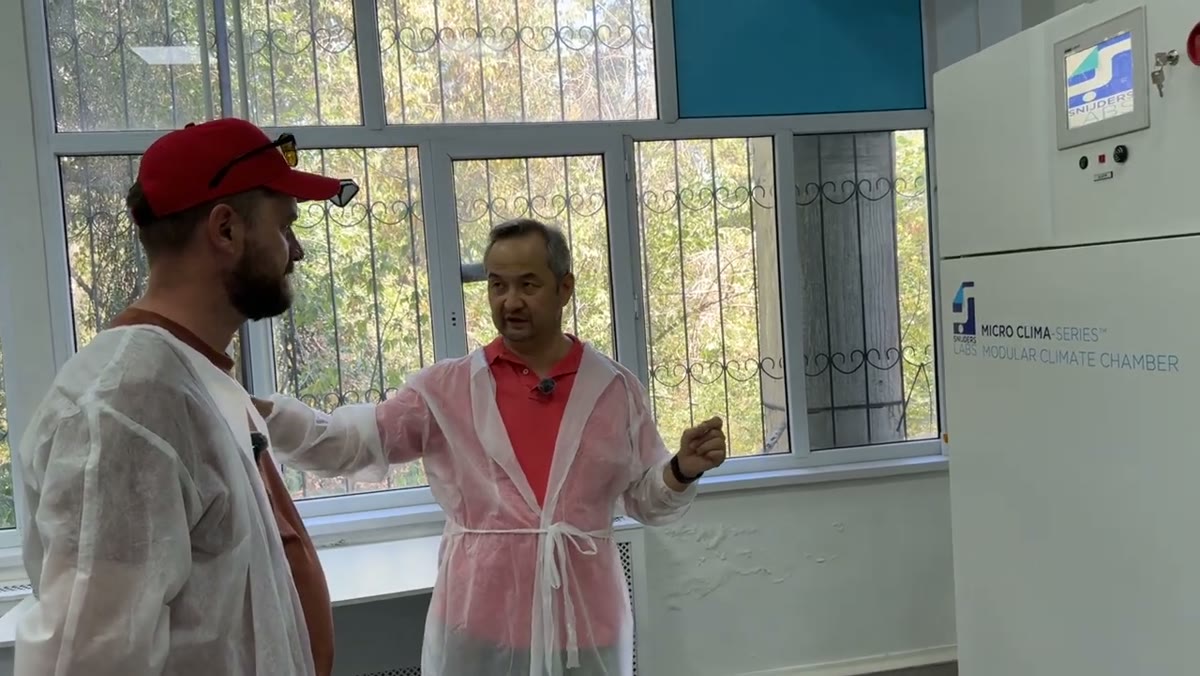
On the tour we saw the room where staff prepare the growth medium, the autoclave used to sterilise it, and the workstations where staff handle the plants under laminar airflow. The route continued to the climate chamber. The company describes the greenhouse as the next stage, where plantlets from the laboratory are grown on and acclimatised.
For seed suppliers, the visit raised a practical question. Can the lab, greenhouse and field programme deliver the generation a customer wants, in the season the customer is planning for? Livingstone’s decision to carry out its own multiplication changed where that work sits in the supply chain.
Watch the full visit · Livingstone Kazakhstan describes its laboratory and greenhouse