
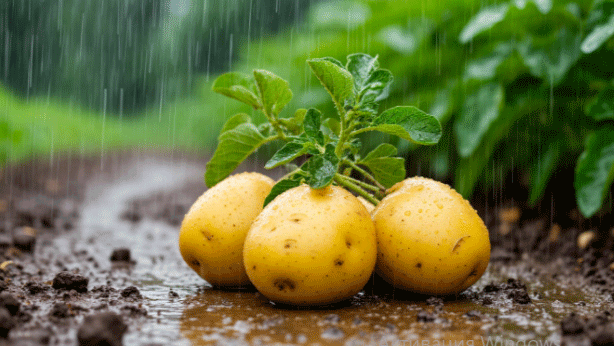
Potato crops in Omsk are facing a serious threat following torrential rains that have left the soil excessively moist, just as many plants have not yet reached full maturity. Local gardener Natalya Aleshkina, a seasoned grower, expressed concern that the prolonged wet conditions could trigger fungal and bacterial infections, leading to tuber rot—a problem that could also compromise winter storage. While some bushes with yellowing, drying tops are ready for harvest, others remain green and require another two to three weeks to mature, leaving them vulnerable if downpours persist. Agronomist Svetlana Kuzmina advises that the key preventive measure is avoiding dense plantings, as overcrowded rows with large foliage block air circulation and trap humidity; she also urges thorough weeding to improve ventilation. Although soils have not yet reached critical saturation, forecasters warn that even a week of sustained heavy rain could initiate irreversible rotting, echoing last year’s losses when tubers began decaying underground.
Beyond rot, gardeners also fear greening (solanine accumulation), though this is caused by sun exposure rather than rain and can be managed through regular hilling. For now, the near-term weather outlook offers some relief, but the region’s farmers remain on high alert, knowing that excess moisture during late tuber maturation is one of the most unpredictable and destructive risks to both yield and post-harvest quality. The situation underscores the delicate balance between irrigation needs and drainage management, particularly as climate variability brings more extreme swings from scorching summers to drenching rains, challenging even experienced growers to adapt their cultivation and storage practices.