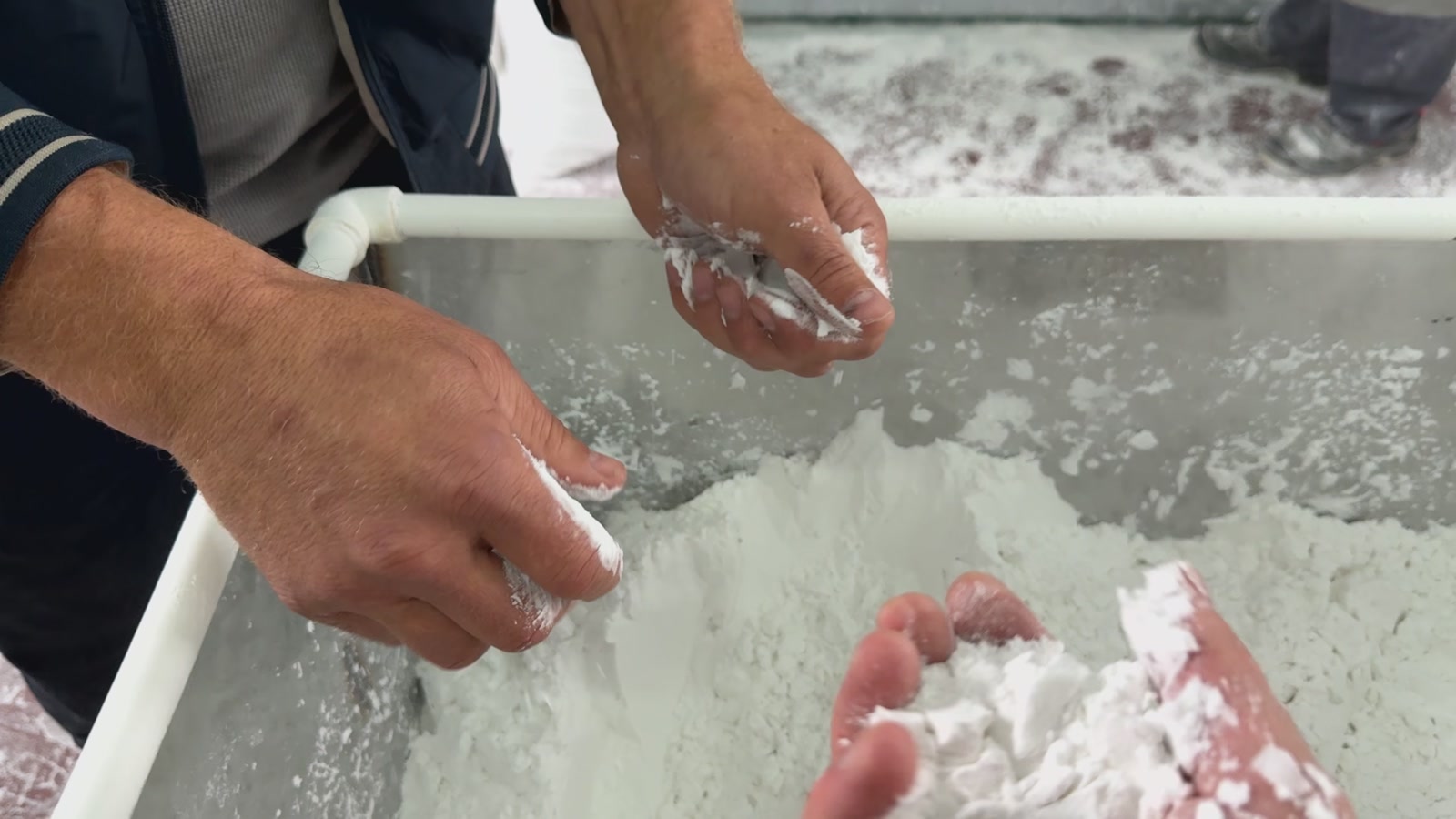
Viktor Kovalev visited Mglinsky Krahmal LLC in the town of Mglin, Russia’s Bryansk region, for the International Potato Tour. The plant traces its starch production back to 1932. Director Andrey Drobiazko describes how his family bought the bankrupt plant and rebuilt its production lines. His son Daniil, the plant’s chief engineer and a trained agronomist, works on trials of high-starch potatoes and a project to produce modified starch.
Picking potatoes for starch
Starch content is a deciding factor when the plant buys potatoes. In the tour archive, the team holds up two Belarusian varieties, Mag and Zdabytak, and compares their shape and skin. Both appear in Belarus’s official recommendations for starch production. The conversation shows why a processor looks past the tuber’s appearance when choosing a variety.
In an interview published by the starch industry association Soyuzkrakhmal, Andrey Drobiazko says the plant has two lines, each rated to process 200 tonnes of potatoes a day. He also says that a shortage of suitable potatoes can keep the plant from using its full capacity. He describes an arrangement under which the plant would supply growers with high-starch seed potatoes and take back their harvest for processing.
Weekdays. Unsubscribe in one click.
What happens to the potato pulp
The tour follows potatoes through washing, separation and drying to finished native starch. The footage also shows the pulp left after extraction. The plant team says it delivers some of that pulp to farms for animal feed. Buyers asking for a drier product pose a practical limit: removing more water would require presses and an investment in a separate processing area.
A place to keep potatoes before processing in winter
At the new arched store, the team describes keeping seed potatoes in one section and bringing incoming potatoes for processing into the other. That way the plant can draw on potatoes kept under cover in freezing weather. The team also discusses leaving space between containers for airflow and monitoring temperature and humidity in storage.
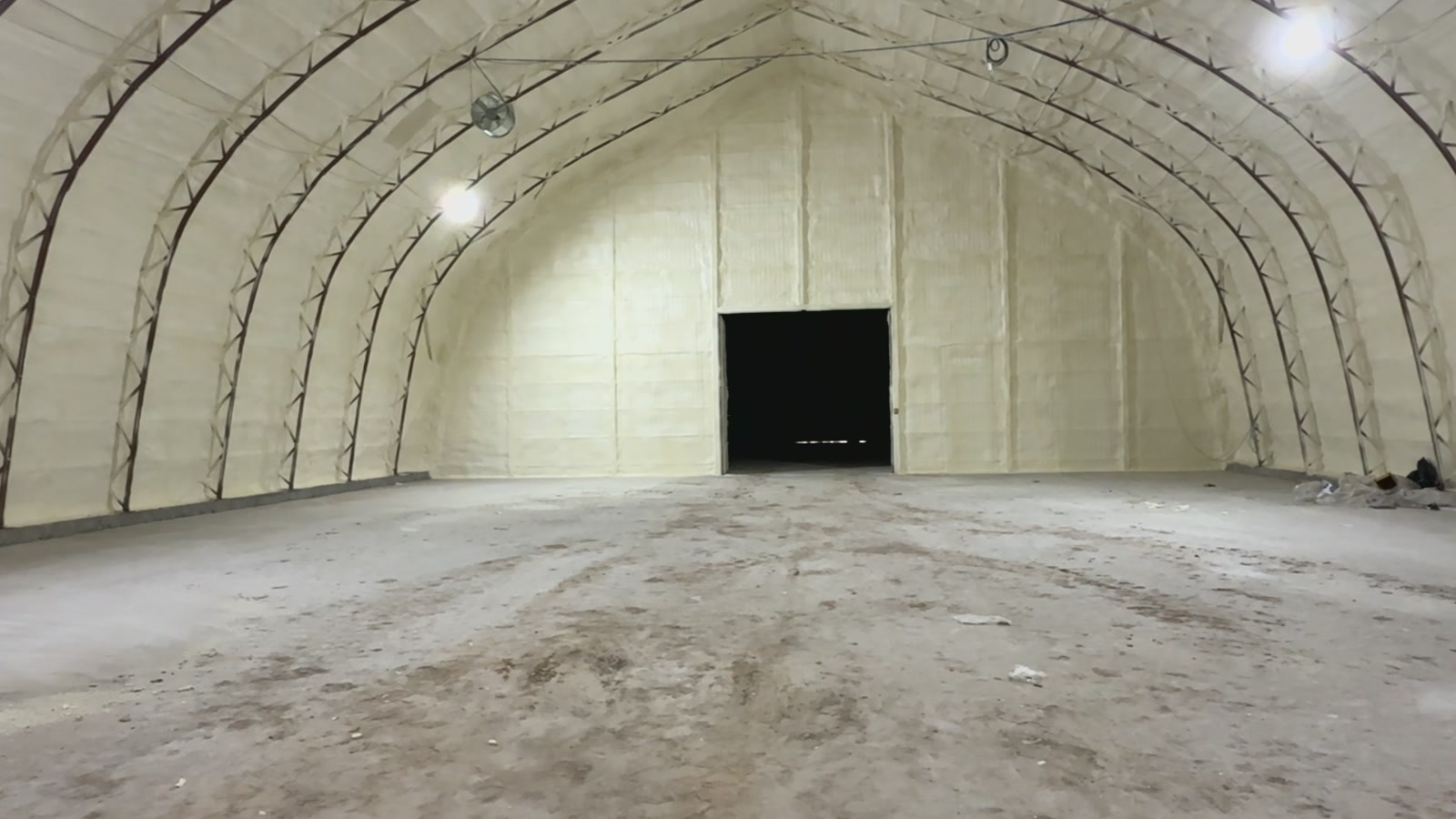
A modified starch line in preparation
The visit shows the building where the plant planned to install equipment for making modified starch. The team was still fitting out the space at the time of filming.
Watch the published report
Chapters in the tour archive
These times refer to the separate archive recording from the visit. The published report above is a different edit.
- 00:07 Finished native starch in the packing area
- 06:03 Comparing Mag and Zdabytak
- 09:20 How the plant uses the pulp left after extraction
- 13:08 A look at the planned modified starch workshop
- 19:25 Two sections in the potato store
- 22:02 Monitoring conditions in the store
- 25:50 Leaving gaps between containers for airflow
Sources
- Mglinsky Krahmal, plant website
- Soyuzkrakhmal, interview with Andrey Drobiazko and profile of Daniil Drobiazko
- Soyuzkrakhmal, the International Potato Tour visit to Mglin
- Belarus Council of Ministers, official potato variety recommendations
First published on 4 October 2025. This update adds scenes and notes from the tour archive.