South Africa: 92% of Potatoes Grow Under Irrigation, but Climate Risks Outrun Water Alone
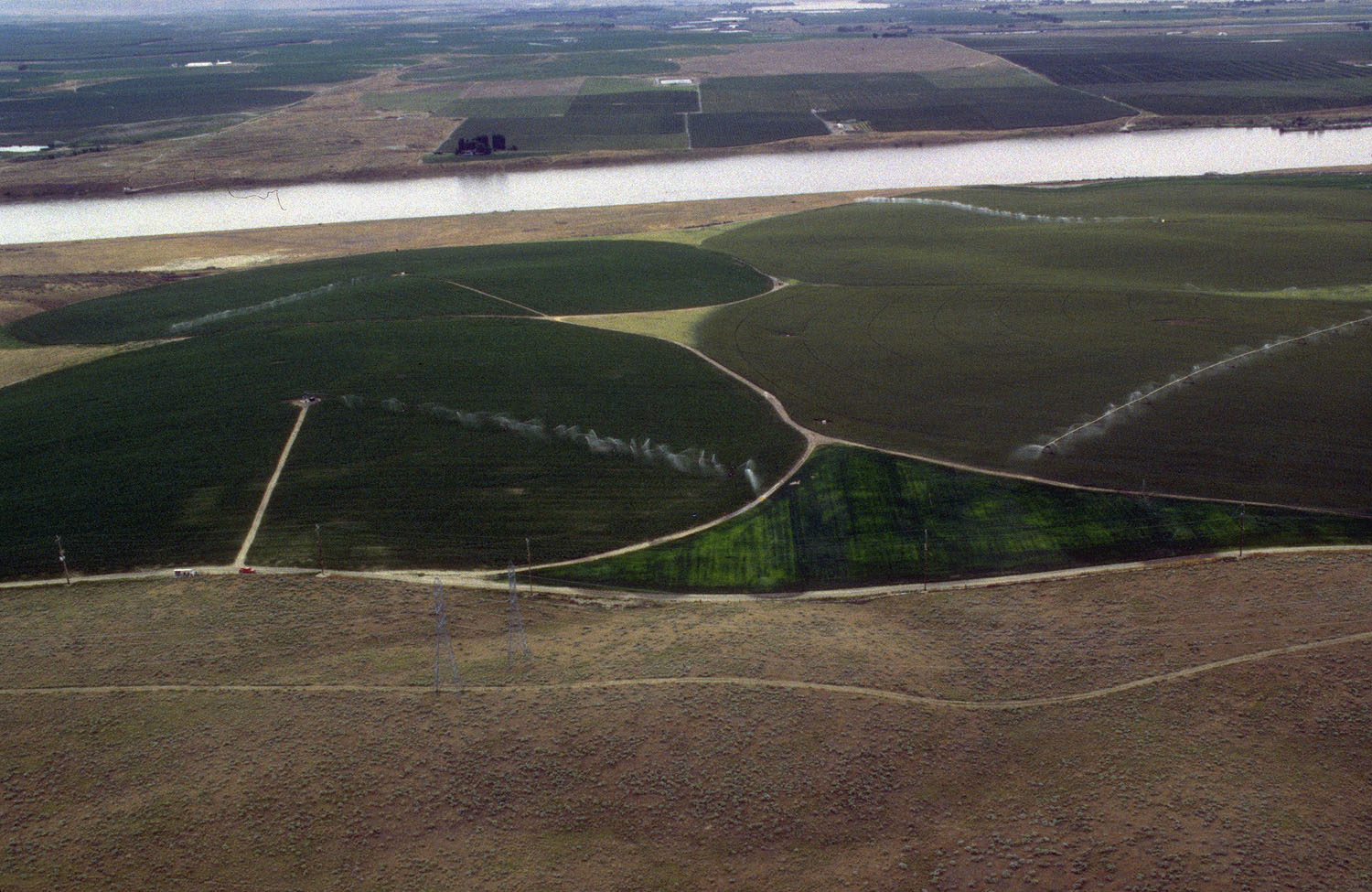
About 92% of South Africa’s potato area is planted under irrigation, making the crop one of the most water-dependent in the country’s agriculture — yet irrigation alone is not keeping pace with climate risk, according to a research overview published by FreshPlaza on 15 October. Rising temperatures and erratic rainfall are increasing both cultivation risk and production costs even on irrigated fields.
The evidence base is long. A 2011 study in Limpopo Province linked changing rainfall patterns to more frequent droughts and declining dryland potato yields (Kabanda 2011), and pointed to faster-maturing, less water-intensive varieties, agroforestry and afforestation as adaptation options. Crop-modelling work with the LINTUL-Potato model suggests rising atmospheric CO₂ could improve yields and water-use efficiency under some conditions (Franke et al. 2020) — but that those benefits fade precisely during the hotter periods that stress the crop most, as higher temperatures drive up evapotranspiration.
South Africa’s Agricultural Research Council is running its own programme on the issue. Researchers at the ARC’s Vegetable, Industrial and Medicinal Plants campus are studying how drought and heat stress affect potato yields, productivity and processing quality, with the aim of identifying cultivars and planting material with better tolerance to water and temperature stress. Irrigation management sits alongside that genetics work: a 2024 meta-analysis of 119 experimental comparisons (Ball and Hernandez-Ramirez 2025) found nitrous oxide emissions were lowest when irrigation supplied roughly 61–90% of crop water requirements, while excessive irrigation combined with heavy nitrogen application pushed emissions up.
Weekdays. Unsubscribe in one click.
The practical reading for growers is that water volume, timing and nitrogen must be managed as one system. Adjusting planting dates can help crops dodge extreme heat; heat- and drought-tolerant varieties can hold yields through hot, dry spells; but neither substitutes for well-run irrigation scheduling, and the industry’s exposure starts with how much of the crop depends on water in the first place.
Irrigation remains the foundation of South African potato production, and the question the research poses is not whether to irrigate but how to combine efficient water use, suitable planting windows, heat-risk management, improved genetics, responsible nitrogen rates and crop-modelling tools so that the crop stays viable under a warmer, more variable climate. For a sector where nine out of every ten hectares already run on pumped water, the next gains will have to come from precision rather than volume.
Sources: FreshPlaza; Agricultural Research Council (ARC).